US SMS Verification API: A 2026 Playbook for Cross-Border Businesses

Looking for a US SMS verification API in 2026? This guide covers service provider comparison, compliance risks, and integration steps to help cross-border businesses add American phone verification affordably.

US SMS Verification API: A 2026 Playbook for Cross-Border Businesses

A US SMS verification API works like this: you pick a provider with access to American number pools, use their REST API to rent a temporary number, receive incoming texts, and get the content pushed to your server—usually with just three endpoints. In 2026, cross-border teams registering for Amazon, TikTok Shop, or WhatsApp Business increasingly need a US phone number for verification. Building your own system is expensive and risky, so most teams simply plug into an existing API.

How a US SMS Verification API Actually Works

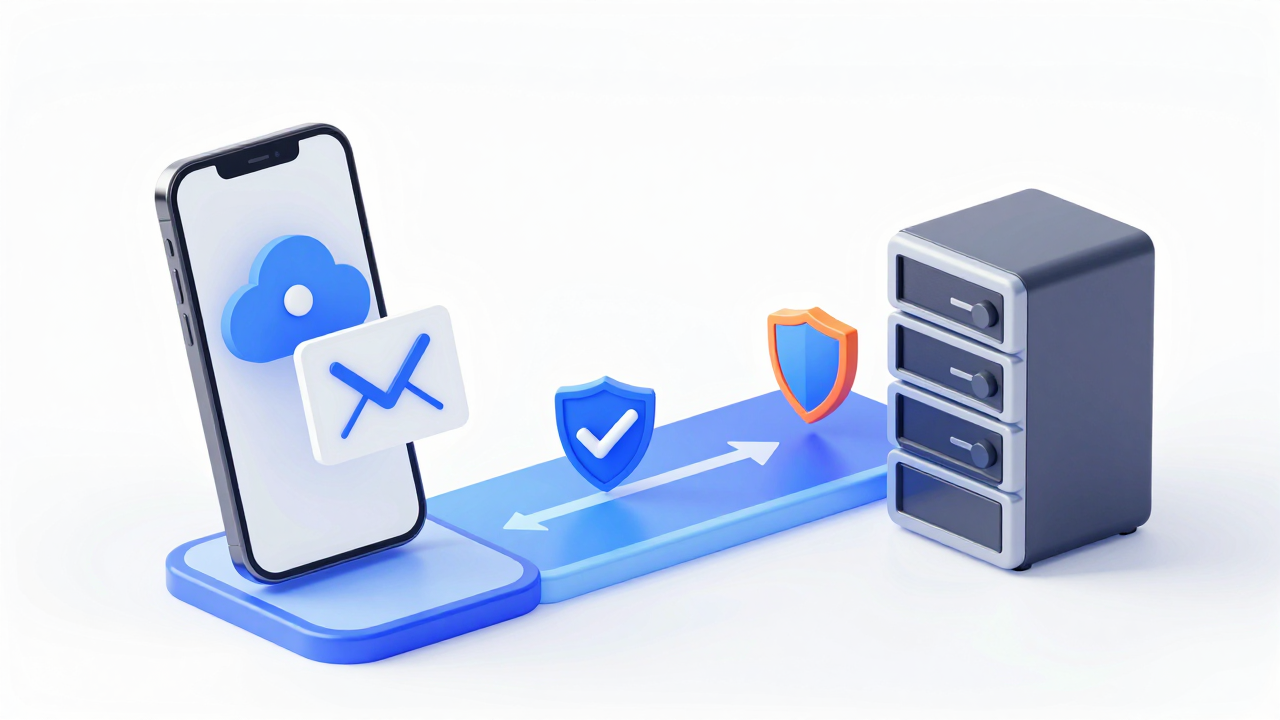
At its core, a US SMS verification API is "number rental plus message forwarding." You never touch a physical SIM card. Instead, the provider's cloud-based number pool receives texts sent to US numbers and delivers them to your server via webhook or polling. In 2026, most providers support HTTP callbacks, with typical response times between 3–8 seconds.

The standard flow in 2026: request a number → bind a callback URL → wait for the SMS → receive and parse the content. No hardware required. You pay per message, usually between $0.05–$0.30, depending on number type (standard, VoIP, or physical SIM) and rental duration.

Here's the typical step-by-step setup:

  • Create an account and complete identity verification (business or personal).
  • Add funds, grab your API key, and skim the docs.
  • Call the "get available numbers" endpoint and filter by US area codes (213, 415, 718, etc.).
  • Set up your callback URL or enable SMS polling mode.
  • Enter the number on your target platform, then read the verification code via the API when the SMS lands.

A cautionary tale: one cross-border studio bought US SIM cards and built a GSM modem pool from scratch. Monthly hardware maintenance ran over $800, and nearly 40% of their numbers got banned. In 2026, US carriers monitor unregistered SIMs far more aggressively, making DIY setups a losing game on both cost and compliance.

Top US SMS Verification API Providers in 2026

Providers fall into three buckets: global messaging platforms (Twilio, Vonage), specialized verification API services, and China-based cross-border providers. When comparing, focus on number pool size, success rate, pricing transparency, and ban compensation policies. Here's how they stack up in 2026:

Comparison Factor Global Messaging Platforms Specialized Verification APIs China-Based Cross-Border Providers
Number Pool Size Large, nationwide coverage Medium, focused on popular area codes Medium, scalable on demand
Price Per SMS $0.10–$0.50 $0.05–$0.20 $0.08–$0.25
Integration Difficulty Solid docs, English required Simple APIs, Chinese support Chinese docs, fast support
Ban Compensation No clear policy Some providers offer it Proportional credit back
Best For Enterprise, high volume Freelancers, small teams Cross-border ops, China-based teams
Industry data for 2026 shows average success rates between 85%–95% for US SMS verification APIs—but results vary wildly by provider. Before committing, run a small paid test to confirm your target platform (Amazon, WhatsApp, etc.) actually accepts verification codes from that number range. Many providers offer free test numbers; use them.

From my experience, freelancers and teams processing under 1,000 verifications per month often get more value from specialized verification platforms than from the global giants—lower pricing and faster support make a real difference. Getfollow, one of the cross-border providers gaining traction in 2026, offers a US SMS verification API with pay-as-you-go pricing and Chinese-language documentation, which is handy for China-based teams. That said, no provider guarantees 100% success, so keep 2–3 backups in your back pocket.

Compliance and Risk: Three Red Lines You Can't Ignore in 2026

Compliance risk around US SMS verification APIs has climbed sharply. The FCC is cracking down on temporary numbers, and some platforms now actively detect and block them. If you're using these APIs for bulk account registration, you're inviting platform risk controls that could lead to IP bans or frozen funds.

Industry consensus for 2026: follow the "one number, one purpose" rule—don't reuse the same number to sign up for multiple platforms. Treat verification APIs as a tool for account recovery, phone binding, and other low-risk scenarios, not for mass account farming or fraudulent activity. Abusing the service can get your account terminated with no refund.

Key risks to watch:

US SMS Verification API: A 2026 Playbook for Cross-Border Businesses
  • Platform detection: Google and Meta flag virtual numbers; frequent number changes can get your accounts flagged.
  • Regulatory shifts: Several US states now require real-name registration for SMS verification services in 2026—confirm your provider is compliant.
  • Data security: SMS content can contain sensitive info. Only use providers that support HTTPS encryption and offer log deletion.

Action step: before you buy, ask the provider for their SOC 2 or ISO 27001 certification and confirm where data is stored. If they can't produce any security credentials, walk away—even if the price is tempting.

US SMS Verification API: Frequently Asked Questions

How much does a US SMS verification API cost per message?

In 2026, expect to pay between $0.05–$0.30 per SMS. Dedicated numbers with monthly rentals run higher, around $5–$20 per month. Volume discounts apply on pay-as-you-go plans, but watch out for credit expiration dates.

Can I use a US SMS verification API for WeChat or Alipay?

No. Both WeChat and Alipay only accept mainland China phone numbers for verification, so US numbers won't work. US SMS verification APIs are designed for platforms that support American area codes—Amazon, TikTok, WhatsApp, Telegram, and similar services.

How do I choose a reliable US SMS verification provider?

Focus on three things: number pool coverage for your target area codes with filtering options, webhook support for real-time callbacks (not just polling), and a clear compensation policy if numbers get banned or messages don't arrive. In 2026, cross-border providers like Getfollow offer pay-as-you-go plans and Chinese-language support, making them a solid starting point for China-based teams. But always register with at least two providers so a single outage doesn't shut you down.

What's the difference between a US SMS verification API and VoIP numbers?

Significant difference. VoIP numbers (like Google Voice) often can't receive verification codes from certain platforms. Verification APIs typically use physical SIM pools or direct carrier connections, which deliver much higher success rates. In 2026, physical SIM-based numbers succeed about 20%–30% more often than VoIP—but they cost more per message.

Will using a US SMS verification API get my accounts banned?

It depends on how you use it. If you're registering new accounts and your IP doesn't match the number's geographic region, you'll trigger risk controls. Pair the API with a residential proxy and keep registration frequency reasonable. Look for providers that only charge on successful delivery—if a message never arrives, you don't pay—to keep trial-and-error costs down.

Final Thoughts: Launching with a US SMS Verification API in 2026

The path is straightforward: define your requirements → compare providers → run a small test → integrate into production. In 2026, prioritize providers that offer webhook callbacks, success-based billing, and documentation in your language. Always have a backup provider lined up. And read the fine print on ban compensation and data retention before signing a long-term deal.

One last note: a verification API is just a tool—using it responsibly is what keeps your accounts safe. Platform risk engines in 2026 can spot most temporary numbers, so position verification as "account recovery support" rather than "bulk registration." Pair it with a stable network environment. If you want to test the waters quickly, Getfollow offers free trial credits and is a reasonable place to start.

Related articles

  1. 2026 Cloud SMS Receiving Platform Review: How Small Teams Can Avoid Account Bans
  2. Is national SMS receiving code service stable? 4 signals to identify reliable providers
  3. US SMS Verification Platforms: Why Some Codes Never Arrive
  4. Virtual SMS Number Plan Guide: 5 Details to Avoid
  5. What Compliance Red Lines Must Individual Studios Follow When Building SMS Receiving Systems?
  6. Bulk Registering Luckin Accounts via SMS: Will You Get Flagged? Don't Wait for a Ban to Read This