Best SMS Verification Services for Cross-Border Business: What Nobody Tells You
Best SMS Verification Services for Cross-Border Business: What Nobody Tells You
After years working in cross-border e-commerce, I've watched too many teams crash and burn on something as basic as account verification. When you're batch-registering social media profiles or verifying overseas store accounts, SMS verification services like Yihao become essential infrastructure. But here's the uncomfortable truth: 90% of the articles about these platforms are recycled ad copy that never explains how the system actually works.
Let's skip the fluff and talk about what people in the industry don't say out loud. At its core, an SMS verification service is a middleman for virtual phone numbers. The platform buys numbers in bulk from carriers or card suppliers, then distributes them to users via API. Sounds simple, right? But three things determine whether you'll have a good experience: number pool quality, risk control strategy, and billing model. Cut corners on any of these, and you're the one who pays the price.
Why Your Accounts Get Banned Instantly—It's Probably the Number Pool
Here's a complaint I hear constantly from cross-border operators: accounts verified through SMS platforms get flagged within minutes. Sometimes it's just feature restrictions; other times it's a permanent ban. The industry consensus is that this usually isn't the platform trying to sabotage you—it's poor number pool hygiene.
I've tested multiple mainstream verification platforms myself, and a clear pattern emerges. Platforms that let you choose specific carriers or regions see number survival rates between 50% and 70%. Platforms that assign numbers randomly? Survival rates often drop below 30%. The logic is straightforward: if a number prefix has been used for mass registrations, risk control systems have already blacklisted it.
Here's a pro tip most people miss: reliable providers continuously purge dead or flagged numbers instead of reselling the same ones repeatedly. Here's a quick test—use the same number to register accounts on two different platforms. If the second account gets restricted almost immediately, that provider's number pool isn't being refreshed properly.
Three Hidden Factors That Actually Matter: Price, Speed, and Success Rate
Individual operators often fixate on getting the lowest price per number—and then regret it. I know a team running a TikTok account matrix who chose a cheap platform to save a few cents per number. They tried registering 100 accounts and only 40 succeeded. The other 60 numbers never received a single verification code. An entire afternoon wasted.
Mature platforms in this space typically charge based on success rate—you only pay for numbers that actually receive the verification code. This model is fairer for users but demands much stronger technical infrastructure. Platforms like Getfollow have built a solid reputation using exactly this approach: pay per successful verification, with proper API documentation so teams can integrate in bulk.
One more thing: don't fall for the "overseas native number" marketing. Many platforms advertise "US native SIM cards" that are actually virtual numbers created through VoIP technology. Platforms like Instagram and WhatsApp have become extremely good at detecting VoIP number ranges—they can identify them almost instantly. The numbers that genuinely pass verification are physical SIM cards allocated directly by carriers. Those are scarce, and they cost more. That's just how it is.
The Ugly Side of the Industry: What Price Wars Actually Mean
The SMS verification market has been flooded with middlemen over the past few years. They buy numbers in bulk upstream, then resell them at rock-bottom prices without any regard for risk control or customer support. Two problems show up constantly. First, number reuse: the same number gets assigned to multiple users in a single day, so verification codes overwrite each other. Second, the vanishing act: you've loaded credit into your account, and then the platform disappears overnight. No refunds, no support, no recourse.
Many cross-border operators have noticed that since late 2025, major platforms have been tightening their number resources—especially for WhatsApp and Telegram verification channels. Prices have nearly doubled. What this means is that platforms still competing on price are either cutting corners on number quality or planning to take the money and run.
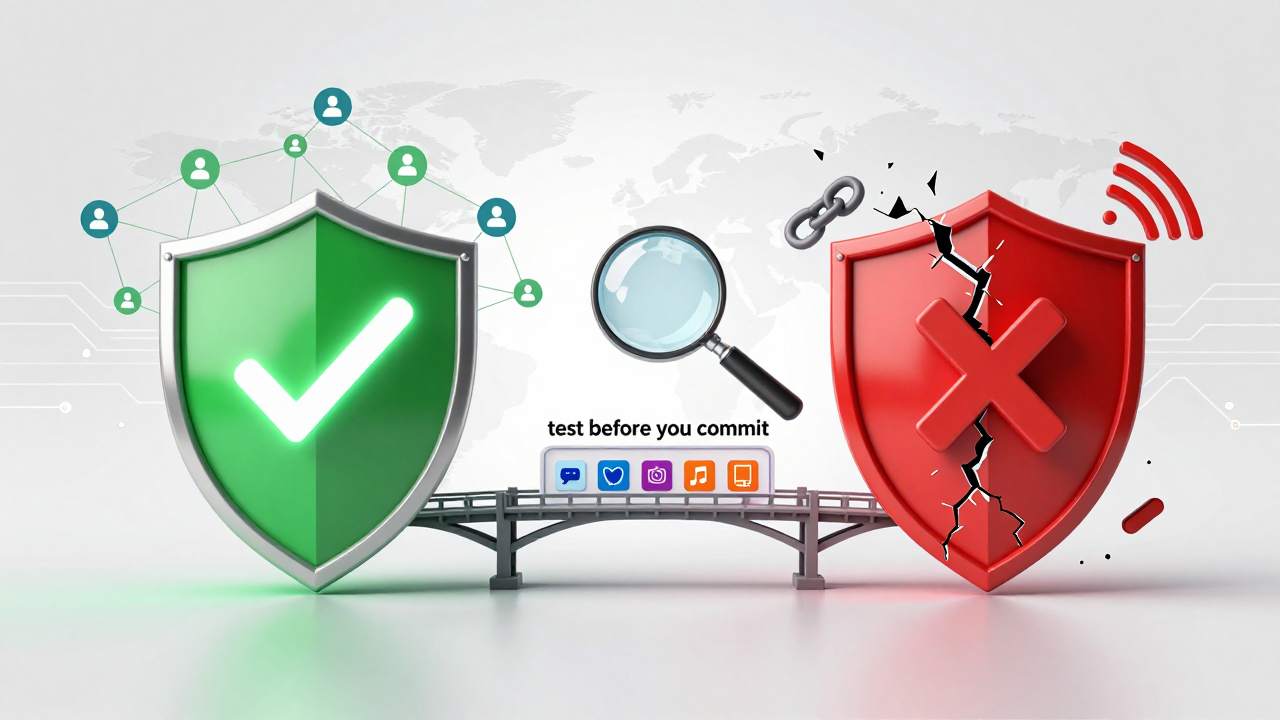
My advice: don't evaluate providers based on their pricing sheet alone. Focus on these three things instead:
- Do they offer refunds for failed verifications or charge per successful attempt?
- Is there a real-time number status API so you can check whether a number is already flagged before using it?
- Is customer support responsive within five minutes? When something breaks, that speed saves your operation.
Test Before You Commit: The Only Reliable Way to Evaluate a Provider
No matter how good a platform looks on paper, spend roughly $50 on a small batch test first. Here's the process I recommend: register accounts on five different platforms—say Telegram, X, Instagram, TikTok, and Snapchat—and verify each one using numbers from the provider you're evaluating. Track these metrics:
- Verification code delivery time (anything over 60 seconds is too slow)
- Account survival rate (is the account still active after 24 hours?)
- Whether the number supports two-step verification (some platforms require multiple verification rounds)
If all five tests pass, then consider loading more credit for long-term use. And one more thing: keep records of your top-ups and API call logs. If a dispute ever comes up, those records are your only evidence.
Here's the honest truth: SMS verification services are invisible infrastructure for cross-border operations, but they're not a magic bullet. Platform risk control systems have evolved to include device fingerprinting and behavioral analysis. Swapping numbers alone won't save you. The smart approach is to use SMS verification for initial account setup, then migrate to a stable long-term number—like Google Voice or a physical SIM—as soon as possible. This reduces the chance of your account being flagged as high-risk.
The demand behind "SMS verification for cross-border business" comes from real pain points that countless operators have experienced. Whatever provider you ultimately choose, remember one principle: test small first, then scale. That principle beats any "lowest price on the internet" promise.
Frequently Asked Questions
What is an SMS verification service and how does it work?
An SMS verification service provides temporary virtual phone numbers that receive verification codes for account registration. The platform purchases numbers in bulk from carriers or upstream suppliers and distributes them to users through an API. You request a number, use it to register an account, and receive the verification code through the platform's dashboard or API callback.
Why do accounts registered with SMS verification platforms get banned?
Most bans happen because the number pool contains recycled or flagged numbers. If a number has been used for mass registrations, risk control systems at platforms like Instagram or WhatsApp will have already blacklisted it. Choosing a provider that actively purges flagged numbers and offers carrier selection significantly reduces this risk.
How much does SMS verification cost for cross-border business use?
Pricing varies widely depending on the platform, number type, and target service. Budget platforms charge as little as a few cents per number, while reliable providers with high success rates typically charge more—especially for numbers that work with strict platforms like WhatsApp or Telegram. The safest approach is to test with a small batch first and track actual success rates before committing.
What's the difference between VoIP numbers and real SIM card numbers?
VoIP numbers are virtual and created through internet-based telephony. Major platforms can detect them quickly, making them unreliable for account verification. Physical SIM card numbers come directly from carriers and pass verification much more consistently. They're more expensive and harder to source, but they're the only reliable option for serious cross-border operations.
Can I use SMS verification services for WhatsApp or Telegram registration?
Yes, but these platforms have the strictest verification requirements. Since late 2025, number resources for WhatsApp and Telegram have become significantly scarcer and more expensive. If you need to verify accounts on these platforms, choose a provider that offers dedicated number channels and be prepared to pay a premium for numbers that actually work.