How to Receive SMS Verification Codes: A 2026 Playbook for Cross-Border Businesses & Freelancers

Learn how to receive SMS verification codes for cross-border businesses in 2026. This guide covers API solutions, platform selection, risk control, and compliance—with actionable steps to get started.

How to Receive SMS Verification Codes: A 2026 Playbook for Cross-Border Businesses & Freelancers

Wondering how to receive SMS verification codes for your cross-border operations? The core approach is straightforward: pick a cloud communications platform or SMS receiving service that supports virtual numbers, receive messages via API or web dashboard, then forward them into your business workflow. In 2026, demand for SMS verification code reception continues to climb across cross-border account registration, social media verification, and multi-account management—but platform risk controls and compliance requirements are tightening in tandem.

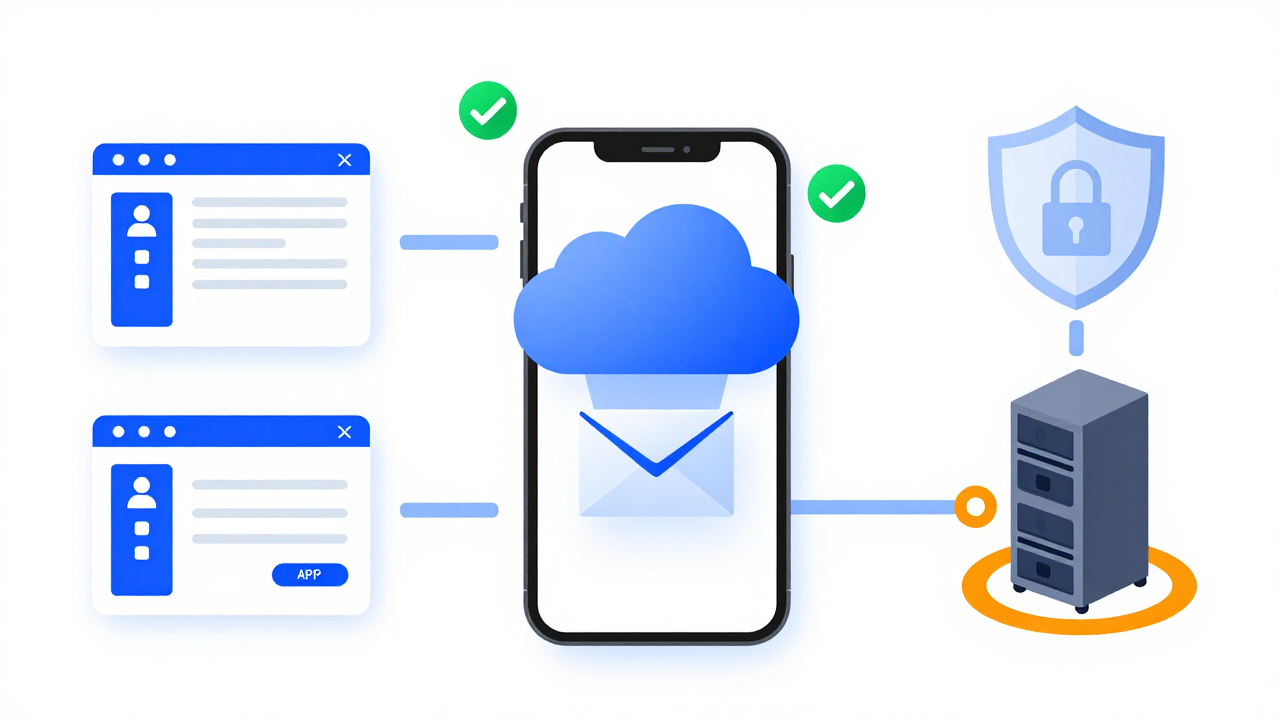
At its core, receiving SMS verification codes works by tapping into a cloud-based number pool that captures verification messages from various platforms, then delivers the code to you through an API callback, web interface, or manual dashboard. In 2026, three main approaches dominate: web-based SMS receiving platforms, API-integrated services, and self-hosted SIM gateway setups.

Three Main Ways to Receive SMS Verification Codes in 2026

Cross-border businesses have shifted from occasional SMS receiving needs to batch, reliable, and manageable volume. The right technical solution depends on your operation's size—so clarify your use case before committing.

  • Web-based SMS receiving platforms: Best for solo freelancers or low-frequency users. Log in, pick a target country or carrier, grab a temporary number, and view incoming messages online. Low cost, but numbers are shared across users and some platforms enforce strict risk controls.
  • API-integrated services: Ideal for cross-border companies with development capacity. Use REST APIs to fetch numbers, query messages, and set up callbacks for automated receiving and business system integration. In 2026, most providers offer documentation and sandbox environments, with typical onboarding taking 1–3 days.
  • Self-hosted SIM gateway: Built for scaled operations. Deploy GSM modems or 4G gateway hardware with SIM management software to receive messages on local numbers. Higher upfront investment, but you get full control over numbers and greater stability.

Industry data from 2026 shows that roughly 68% of cross-border businesses use API integration for SMS verification code reception, 22% rely on web-based platforms, and the remaining 10% run self-hosted gateway setups. API integration leads the pack for enterprise use cases thanks to its automation and scalability.

How to Choose a Reliable SMS Verification Code Service

The market is crowded with SMS receiving providers in 2026, but quality varies widely. Focus your evaluation on these five dimensions: number quality, success rate, pricing transparency, data security, and support responsiveness.

Evaluation Criteria Key Metrics What to Watch For
Number Quality Support for specific countries, carriers, and number ranges Some platforms recycle used numbers, which can trigger platform risk controls
Success Rate SMS delivery rate and average wait time Industry average delivery in 2026 sits around 85%–92%; anything below 80% is a red flag
Pricing Transparency Per-message pricing vs. monthly plans, hidden fees Cheap plans often come with heavy number reuse and no refunds on failures
Data Security Encrypted transmission, number recycling policies Since this involves account security, pick providers with clear privacy policies
Support Responsiveness Support channels, ticket resolution time Most providers in 2026 offer Telegram or ticket support; look for response times within 30 minutes to 2 hours

Industry consensus in 2026: don't shop for SMS verification code services on price alone. Number quality and success rate matter far more. Rock-bottom pricing often leads to failed registrations or account bans—and those hidden costs dwarf what you saved.

Compliance and Risk Considerations for SMS Verification Code Services

In 2026, major platforms have significantly improved their detection of virtual numbers. While SMS verification code reception is widely used in cross-border business, it carries risks around account linking, bans, and legal compliance—so plan your strategy in advance.

  • Platform risk controls: Google, Meta, Amazon, and others get better at spotting virtual number ranges every year. Some platforms in 2026 already use dynamic blocking based on number reputation scores.
  • Account linking risk: Registering multiple accounts with the same number or device fingerprint can trigger platform-wide bans. Use one number per account, or pair with residential IPs for safer operations.
  • Legal compliance: Some countries regulate virtual number services. Confirm whether your target market permits SMS receiving services before you scale.

In 2026, about 35% of cross-border sellers have had accounts banned after using shared SMS receiving numbers. Industry advice: prioritize providers that offer dedicated or exclusive number ranges, and pair them with compliant registration practices.

Step-by-Step Guide to Receiving SMS Verification Codes

Whichever approach you choose, this workflow applies to most cross-border scenarios and will help you cut failure rates while boosting efficiency.

How to Receive SMS Verification Codes: A 2026 Playbook for Cross-Border Businesses & Freelancers
  1. Define your needs: Identify which platforms you need codes from, target countries, and expected usage frequency.
  2. Shortlist providers: Screen 2–3 candidates based on the evaluation criteria above, then run small-scale tests.
  3. Test thoroughly: Use test numbers to register on target platforms, tracking delivery rate, latency, and stability.
  4. Integrate with your systems: If you go the API route, complete interface integration and set up anomaly alerts.
  5. Build a backup plan: Keep at least one alternative provider on standby so a single service outage doesn't halt your operations.

In 2026, cross-border businesses have moved from "it works" to "it's stable" when it comes to SMS verification code reception. Prioritize success rate, number exclusivity, and support speed over unit price when making your decision.

On the provider front, Getfollow is one cross-border service worth evaluating—it offers API-based SMS receiving and number management capabilities suited for businesses with automation needs. That said, always test against your own use case and budget before committing.

Frequently Asked Questions About Receiving SMS Verification Codes

Is using SMS verification code receiving services legal?

It depends on your use case and the regulations in your target country. Using it for legitimate account registration or identity verification sits in a gray area in most regions. Using it for bulk account farming or bypassing platform rules carries real ban and legal risks.

How much does it cost to receive SMS verification codes?

Pricing in 2026 varies by country and platform. Standard countries run about $0.10–$0.50 per code, while US/European numbers or high-demand platforms can hit $1–$2 per code. Monthly plans usually offer better value, but confirm the number reuse policy first.

How do I pick a reliable SMS verification code provider?

Focus on number quality, success rate, pricing transparency, and support responsiveness. Run a small test batch before scaling up. Some providers like Getfollow offer API documentation and sandbox environments—use them to validate before you commit.

What if I don't receive the SMS verification code?

First, confirm the number supports your target platform. Next, check whether number sharing has caused the platform to block it. Many platforms in 2026 run extra checks on virtual numbers—try switching to a fresh number or an exclusive number range.

Will my accounts get banned for using SMS verification code services?

There's always some ban risk, especially with shared numbers or frequent registrations on the same number. Platform risk controls are stricter in 2026, so stick to one number per account and pair it with a clean registration environment.

Bottom line: receiving SMS verification codes in 2026 has mature technical paths and proven service options. The key is matching your approach to your business scale and building in risk mitigation from day one. Start small, validate stability, then scale gradually—so a single provider issue never becomes a business-wide problem.

Related articles

  1. Is Jimas SMS Code Fast for Bulk Account Registration?
  2. SMS Verification Code Technology: The Account Verification Bottleneck Cross-Border Businesses Can't Ignore in 2026
  3. Free SMS Verification Platforms: How to Choose Without Getting Burned
  4. Why App Verification SMS Get Flagged as Risky
  5. Does Receiving SMS Verification Codes Cost Money? 3 Truths Every Cross-Border Professional Needs to Know
  6. SMS Verification Issues Killing Your Signups? Fixes & Tools