Best SMS Verification Platforms for Cross-Border Sellers in 2026: Avoiding Hidden Pitfalls

Best SMS Verification Platforms for Cross-Border Sellers in 2026: Avoiding Hidden Pitfalls

Discover how to choose a reliable SMS verification platform for WhatsApp, Telegram, and TikTok in 2026. Learn to spot red flags, test number quality, and protect your accounts from bans.

If you work in cross-border e-commerce, your phone number is your lifeline. Registering WhatsApp, Telegram, TikTok, or Amazon buyer accounts all require a number that can receive verification codes. By 2026, overseas card providers and virtual number segments have tightened their controls significantly compared to a couple of years ago, and many old methods no longer work. Several friends of mine who run independent sites and social media matrix accounts have recently been reassessing the SMS verification platforms they use.

Let's skip the fluff and talk about the real changes I've observed in the SMS verification platform ecosystem this year, plus the fine details that trip people up.

Reality Check: 2026 SMS Verification Is No Longer "Buy a Number, Get a Code"

Many people still think of SMS verification platforms as "spend a few bucks, buy a number, receive a code, done." But the actual situation in 2026 is that platforms, number suppliers, and risk-control systems at companies like Facebook and Google have all leveled up simultaneously.

I tested several small and mid-sized SMS verification platforms and found a common pattern: verification code delivery rates for static number segments (like bulk virtual numbers starting with +44 or +1) have dropped noticeably since early 2026. When registering TikTok and Instagram accounts, these number segments get banned almost instantly.

Industry consensus is that mainstream social platforms' risk-control models can now accurately identify numbers that aren't held by real people. If you're still using those "use once and discard" numbers, you'll likely end up losing both your money and your accounts.

Why Do Your Accounts Keep Dying Within Three Days? It's All About Number Quality Tiers

Many cross-border studio owners complain to me that they topped up credits on an SMS verification platform, registered 10 accounts, and fewer than 3 survived the first week. The core issue comes down to the history and background of the numbers.

In the 2026 SMS verification market, number pools have clearly split into tiers:

  • Bottom tier: Public number pools that anyone can buy. These numbers are heavily used for bulk registrations and promo abuse, so they carry serious risk-control flags. Using them will likely trigger secondary verification or instant bans.
  • Mid tier: Carrier-partnered number segments or SIM cards registered in specific countries. These numbers are relatively clean but cost 3 to 5 times more than bottom-tier options.
  • Top tier: Dedicated or exclusive number segments. These are pricey but offer much higher retention rates, making them suitable for long-term account operations.

Here's a cautionary tale I witnessed: a friend in cross-border e-commerce bought "India region" numbers from a small SMS verification platform to register Telegram broadcast bots and save money. The next day, the entire number segment was flagged as a spam source by Telegram, and every associated account got banned. That's the classic "only looking at price, not the pool" mistake.

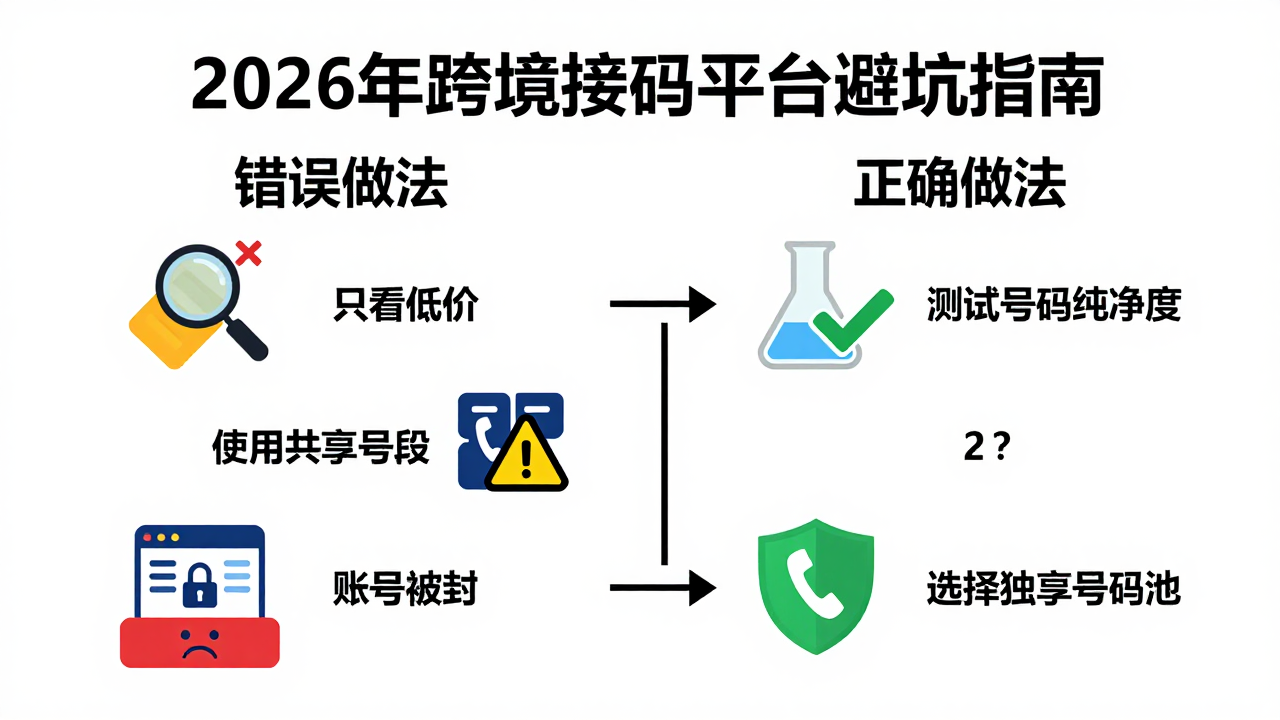
So in 2026, when choosing an SMS verification platform, the first question should be about number pool purity and whether numbers are exclusive, not about unit price.

Don't Fall for "Unlimited Cheap Codes" — Here's Where the Real Compliance Costs Hide

Some platforms do lure users in with "ultra-low prices." But from what I understand, legitimately operated SMS verification providers now have very transparent cost structures:

Overseas physical SIM card procurement costs, carrier API integration fees, and risk-control maintenance expenses are all rising. If a platform's pricing seems unrealistically low, be careful — it's either using repeatedly resold "black card" number segments or it's a short-lived platform planning to take the money and run.

Platforms with solid reputations in the industry, like Getfollow, operate on a compliance-first model. They don't touch black-market numbers; instead, they connect to overseas carrier resources through legitimate channels and treat number survival rates and verification code delivery rates as their core metrics. The unit price may be slightly higher, but for businesses in cross-border trade, account security matters far more than saving a few cents per code.

How to Use a "Testing Mindset" to Choose Your SMS Verification Provider in 2026

Since you're here with a transactional intent, let's get straight to the point: how to filter out reliable platforms through low-cost testing. This works better than any advertisement.

Best SMS Verification Platforms for Cross-Border Sellers in 2026: Avoiding Hidden Pitfalls

Step 1: Make a small deposit and test delivery rates on "less popular platforms." Don't top up big amounts right away. Spend around $10 to test and register one WhatsApp, one Telegram, and one TikTok account. Key things to observe: Does the verification code arrive within 30 seconds? Does the number trigger a secondary verification request from the platform's risk control?

Step 2: Test the number recycling mechanism. Many SMS verification platforms offer a "number reuse" feature. In 2026, if a platform lets you receive verification codes from different apps on the same number without extra charges, that usually means the number is exclusive to you. If it's a shared number, someone else might be using it to register other apps right after you receive your code, which can easily lead to linked account bans.

Step 3: Check how open the API documentation is. For those running studios, API integration is a must-have. A responsible platform (including Getfollow, mentioned earlier) will have thorough, up-to-date API documentation. If even the "error code explanations" are vague, you won't have any direction for troubleshooting when problems arise later.

About Account Bans: SMS Verification Platforms Can't Fix Them, But They Can Help You Avoid Them

Many users treat SMS verification platforms as a "magic bullet," thinking that using one means they won't get banned. That mindset needs to change in 2026.

SMS verification platforms solve the "number problem" at the registration stage, but bans depend more on your "usage environment" and "behavior patterns." If you use a clean number but your IP is shared and your device fingerprint looks abnormal, you'll still get banned instantly.

My advice is this: think of the SMS verification platform as your first line of defense, not a get-out-of-jail-free card. When choosing a platform, prioritize those that offer "number status lookup" features. For example, can you check whether a number has already been used to register your target app before purchasing? Some premium platforms offer "number blacklist lookup" functionality, which can help you avoid 90% of the register-then-get-banned scenarios.

Final Thoughts: The Smart Play for 2026

Cross-border business is about playing the long game. When it comes to choosing an SMS verification platform, my advice remains the same: test small first, then commit to a long-term partnership.

Don't stockpile thousands of numbers just because a platform is cheap, and don't blindly top up credits because a platform has a big name. Use a testing mindset to verify number quality and a "small steps, fast iteration" strategy to manage risk. That's the rational approach for cross-border sellers in 2026.

After all, account security is the number 1, and everything else is just zeros behind it. I hope this breakdown of SMS verification platforms helps you find a truly reliable partner in this mixed market.

Frequently Asked Questions About SMS Verification Platforms

What is the best SMS verification platform for WhatsApp in 2026?

The best platform depends on your specific needs, but look for providers that offer exclusive numbers, transparent number pool information, and high delivery rates for WhatsApp specifically. Test with a small deposit first to verify performance before committing.

Why do my accounts get banned even when I use an SMS verification service?

Bans are triggered by a combination of factors including IP address quality, device fingerprint, and usage behavior. A clean number alone doesn't guarantee account safety. Make sure you're also using clean IPs and consistent device environments.

Are cheap SMS verification platforms safe to use?

Extremely cheap platforms often use recycled or blacklisted number segments, which significantly increases ban risk. Legitimate platforms have higher operational costs, so if the price seems too good to be true, it usually is.

How can I test if a verification number is exclusive or shared?

Try receiving verification codes from multiple different apps on the same number. If the platform allows this without restrictions and the codes arrive reliably, the number is likely exclusive. Shared numbers will often trigger errors or secondary verifications.

Related articles

  1. 2026 Cloud SMS Receiving Platform Review: How Small Teams Can Avoid Account Bans
  2. Is national SMS receiving code service stable? 4 signals to identify reliable providers
  3. US SMS Verification Platforms: Why Some Codes Never Arrive
  4. Virtual SMS Number Plan Guide: 5 Details to Avoid
  5. What Compliance Red Lines Must Individual Studios Follow When Building SMS Receiving Systems?
  6. Bulk Registering Luckin Accounts via SMS: Will You Get Flagged? Don't Wait for a Ban to Read This