Buying TikTok Shop Accounts: Shortcut or Trap?
Buying TikTok Shop Accounts: Shortcut or Trap?
For many cross-border sellers eager to quickly enter the TikTok e-commerce space, the idea of "directly buying a ready-made TikTok Shop store" is incredibly tempting. It promises to skip the tedious setup and nurturing process, giving you a ready-to-operate storefront. But beneath this "shortcut," is the path clear, or is it filled with unseen risks? As an industry observer for years, let's objectively discuss the pros and cons.
The Obvious Advantages of Buying a TikTok Shop
First, it's undeniable that the main appeal of buying an existing store is speed. For sellers who already have products and a supply chain but are stuck at the setup phase, this can drastically cut launch time. This is especially true in regions with higher entry barriers (like the US ACCU store), where applying yourself can mean navigating complex identity verification and qualification reviews. Purchasing an already-verified account can get you "game-ready" much faster.
- Instant Launch to Catch the Window: The traffic dividend window for TikTok e-commerce often closes quickly. Having an existing account means you can immediately start live streams, list products, and run ads without missing market heat.
- Bypass the Initial Cold Start: New accounts typically have low weight and imprecise tags. A purchased account, especially an "aged account" with some followers and a history of operation, may have accumulated initial data that helps with subsequent content recommendations.
- Access Scarce Resources: Applying for certain regional or type-specific stores (like Southeast Asia local stores, Vietnam, or Philippines local stores) is difficult. Buying becomes one of the few available paths.
However, convenience often comes with higher risks. This isn't just an industry consensus; it's a lesson many sellers have learned the hard way.
Four Core Risks Lurking Behind the Opportunity
The biggest risk is account security and ownership. This could be the most critical point. The "legal" registrant of many sold accounts isn't you. The original seller might reclaim the account through an appeal, or the account itself could be banned for violations, instantly wiping out your investment. Many cases show sellers running a purchased store for months with growing success, only to suddenly find themselves locked out, unable to contact the original owner, and with no recourse for appeal.
Next is the risk of historical violations and platform policy changes. You can't know an account's full past. Was it used for click farming, did it ever post prohibited content, or does it have a history of severe after-sales disputes? These issues could place the store under platform surveillance, where a minor misstep could trigger a ban. TikTok Shop's policies are also constantly tightening; a seemingly "clean" account might trigger new risk control rules due to its registration entity or historical behavior.
Third, there are financial and payment security concerns. Changing the payment accounts linked to the store (like PayPal, Payoneer) may face strict restrictions. How are earnings withdrawn and attributed during this transition? This is a very real financial headache. Furthermore, building store assets on someone else's information inherently poses a security risk.
Finally, there's the issue of operational continuity. The original follower base and content style of the account may have nothing to do with your brand's positioning. Did you buy a "shell" or an asset with real value? In many cases, sellers find that follower engagement is extremely low and completely unable to drive traffic to their existing business, greatly diminishing the value of所谓的"thousand-follower account."
Industry Reality and Making a Rational Choice
Currently, the market for purchasing TikTok Shop accounts exists in a gray and chaotic state. Prices range from tens to hundreds of dollars, with sellers ranging from individuals to specialized studios. Many cross-border practitioners report that their biggest headache isn't finding a seller, but finding a trustworthy one.
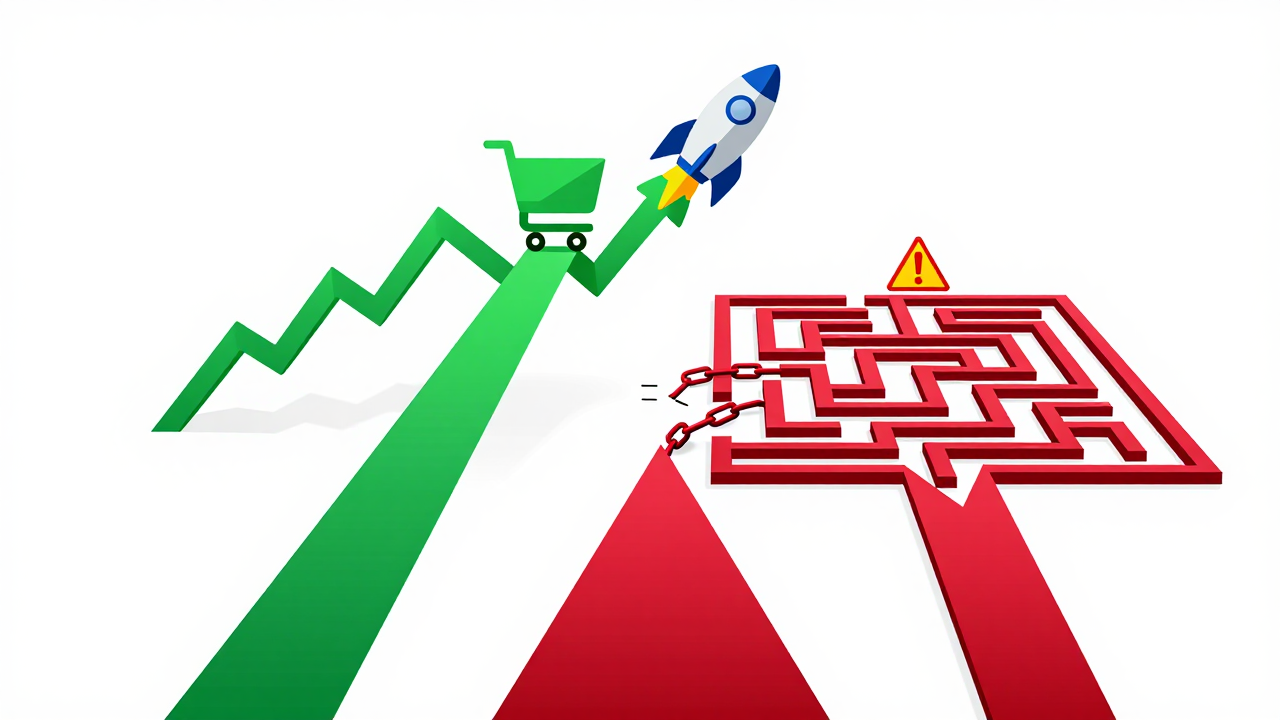
So, if you decide to go down this path, how can you mitigate risk? First, don't chase absolute low prices. Accounts priced far below market average usually have the most problems. Second, conduct thorough due diligence: request original registration credentials, screenshots of recent performance data, and verify its history as much as possible. Finally, choose channels that offer some level of after-sales guarantee and facilitate a clear transfer of ownership, rather than simple "one-and-done" deals.
For example, platforms like Getfollow operate with the goal of completing a clear ownership transfer and performing a basic compliance audit on the account, representing one attempt in the industry to standardize these transactions. Of course, no platform can guarantee 100% risk-free, so your own judgment remains key.
| Comparison Factor | Self-Registration | Buying an Existing Store |
|---|---|---|
| Time Cost | High (days to weeks for review) | Low (instant or short delivery) |
| Upfront Cost | Low (often free or minimal) | High (thousands to tens of thousands of dollars) |
| Ownership Security | High (full control) | Low (risk of reclaiming or banning) |
| Historical Risk | None (clean slate) | Uncertain (requires investigation) |
| Initial Traffic | None (start from zero) | Possible (depends on account quality) |
Ultimately, buying a TikTok Shop account is more like a venture capital investment than a standard business procurement. It's suitable for "adventurer" teams who have a deep understanding of platform rules, can tolerate certain risks, and urgently need to test market response quickly. For brand sellers seeking stable, compliant operations, taking the time to register and build solidly may be slower, but provides a much stronger foundation.
Remember, no matter which path you choose, your core competitive advantage will always be quality products, content, and a strong supply chain. The account is just a tool. Tools can be bought, but the ability to build a successful business must be mastered by you.
How do I evaluate the value of a TikTok Shop account for sale?
Focus on three key points: First, the store entity (is it a transferable company or individual?). Second, the account's health (no serious violation records, no unresolved disputes). Third, the quality of followers or content (are they generic followers? Is there a history of violations?). Don't just look at follower count; engagement and relevance are more important.
After buying an account, what's the most critical first step?
Immediately change all login passwords, linked email addresses, phone numbers, and payment information to ensure the account is completely under your control. Only then should you gradually adjust content and rebrand the store.
If I want to minimize risk, is there a safer approach?
Yes, you can prioritize purchasing a store that has completed company entity verification (such as a US ACCU store or a Southeast Asian local store). Ownership transfers for these accounts tend to be more standardized. Additionally, seek out a service provider like Getfollow that offers a clear transfer process and service agreement. While the cost might be higher, it provides a basic layer of security.
Can I seamlessly switch the business category of a purchased account?
Theoretically yes, but it's risky. Drastic category changes can confuse the account's tags and hurt system recommendations. It's advisable to make gradual adjustments, monitor the account's data changes, and avoid sudden, large-scale content pivots.