Buying Aged TikTok Accounts: The Ultimate Guide to Avoiding Fakes
Buying Aged TikTok Accounts: The Ultimate Guide to Avoiding Fakes
Many cross-border entrepreneurs see "aged TikTok accounts" and get excited, thinking they can skip the cold start phase and gain instant organic traffic. The reality? Buying a "fake aged account" costs far more than creating a new one. At best, you'll get zero views; at worst, your account will be banned instantly. Not only is your investment wasted, but you also lose precious operational time. From my experience, over 60% of first-time buyers have fallen victim to scams.
The Core Problem: What You Think is "Aged" Might Just Be "Old"
The most common buyer misconception is equating "account registration time" with "a valuable aged account." An account registered two years ago that has never posted content, has no followers, no engagement, and has been flagged as a "zombie account" by the system due to inactivity is essentially worthless. Buying such an account provides no inherent value and actually increases your risk, as unusual login activity (like a sudden login from a different country) can easily trigger risk controls.
A more hidden trap is the practice of "artificially aged accounts." Some sellers use technical methods to bulk-modify account registration dates or purchase low-quality followers to "pad" the profile, creating the illusion of an active, mature account. However, algorithms value real engagement data and user behavior patterns. Once you post content on these accounts, it typically sinks without a trace.
Root Cause Analysis: Where Do Fake Accounts Come From?
The fake aged account industry chain is real and has several key sources. Understanding them helps you pre-empt risks:
- "Farm" Account Refurbishment: In so-called "account farms," scripts are used to batch-register accounts and simulate actions (like liking and following) to quickly "nurture" a batch of seemingly normal accounts for sale. These accounts exhibit highly similar behavioral patterns. Once the platform identifies them in bulk, they face mass bans.
- "Stolen" or "Gray" Accounts: These are accounts of unknown origin, possibly stolen personal accounts or bulk-obtained through illicit means. Purchasing these carries significant legal and ethical risks, and the original owner could reclaim them at any time.
- "Hollow Shell" Packaging: Basic, inactive accounts are given a simple makeover by purchasing a few followers and fabricating some profile details. These accounts have extremely low follower loyalty, and any initial engagement metrics after posting will be dismal.
Industry consensus is that a truly valuable aged account's worth lies in its consistent organic traffic, healthy account weight, and accumulated real engagement data within a niche—elements that cannot be fully faked through short-term trickery.
Pre-Purchase Verification: The Essential Four-Step Inspection
Don't rely solely on the seller's claims. Before finalizing a deal, insist on receiving real-time screenshots or a screen-sharing session to verify backend data. Focus on these four dimensions:
- Follower & Engagement Quality Analysis: Don't just look at total follower count. Check the profiles of a few recent engaged followers to see if they are real people with genuine activity. Examine the like-to-comment-to-share ratio on past videos. While likes often significantly outnumber comments, a like count that is abnormally close to or exceeds the view count is highly suspicious. Real aged accounts show natural fluctuations in engagement, not a stable, manufactured number per video.
- Account Health Diagnosis: Request access to the "Creator Tools" or "Analytics" backend. A healthy account should have full functionality, with historical data curves that are continuous and natural, without sudden cliff-like drops (which may indicate past penalties). Pay special attention to any violation notifications or restriction warnings.
- Device & Login History: Ask about recent devices and locations where the account has logged in. If an account claimed to be from the US shows long-term login activity from Southeast Asia, that's a major red flag. Reputable service providers or sellers will willingly provide this information to prove legitimacy.
- Content & Niche Consistency: Review the account's historical posts. Is the content style consistent? Has there been sustained output in a specific niche (e.g., beauty, tech)? A chaotic account will have its so-called "aged value" drastically reduced.
I once witnessed a case where a buyer purchased an account advertised as a "50K-follower beauty account." Upon receiving it, they found over 70% of the followers were male, and the historical video content was a random mix—clearly an account grown through giveaways or trending topic spam, completely useless for targeted monetization in the beauty niche.
Service Model Breakdown: How Do Legitimate Platforms Reduce Your Risk?
Private peer-to-peer (C2C) transactions carry the highest risk, as there's virtually no recourse. Therefore, increasingly, experienced buyers are turning to platform-based channels that offer some form of service guarantee. The core value of these platforms lies in their established screening and verification mechanisms.
Taking the relatively mature model of Getfollow as an example, its account marketplace service logic typically involves: basic data verification for listed accounts (like post history and spot-checking follower authenticity), and providing a brief after-sales guarantee period. This doesn't mean it's 100% risk-free, but it reduces the risk from "completely uncontrollable" to a "definable, accountable" scope. For cross-border studios seeking a stable start, this model of "paying a premium for certainty" often proves more cost-effective than individual transactions.
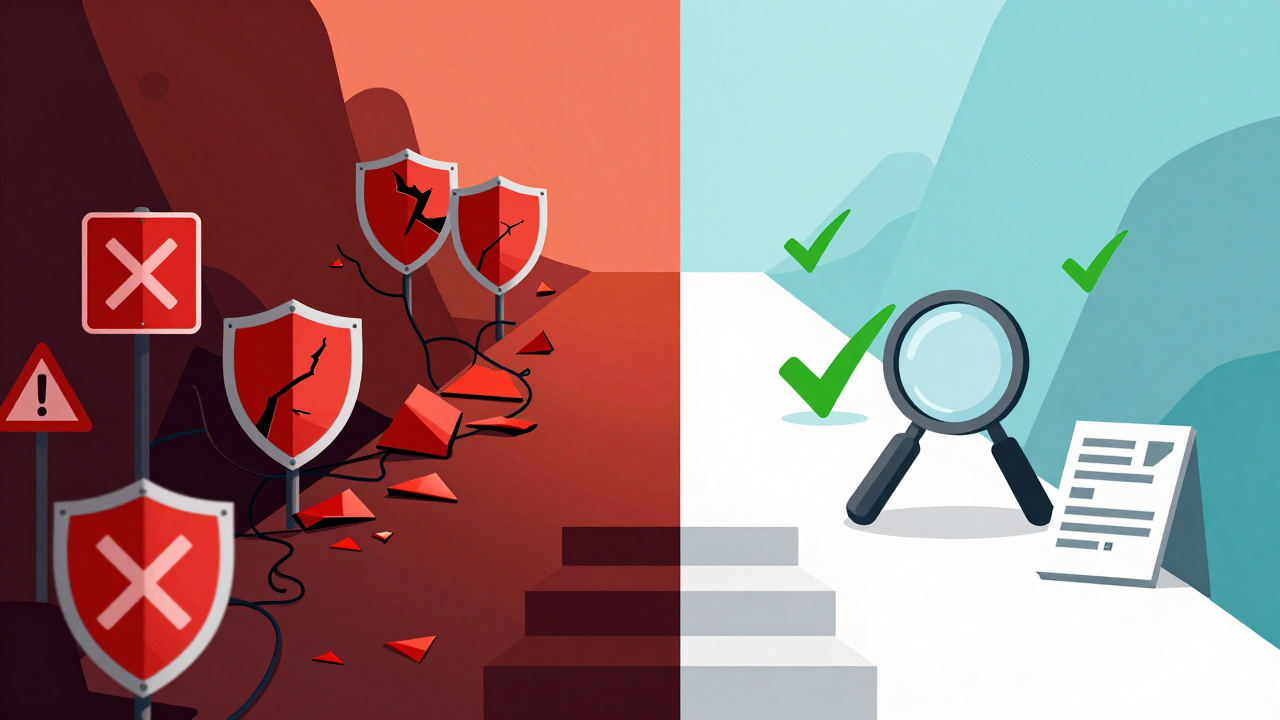
However, you must also realize that any platform is merely a "filter" for risk, not an "eliminator." The final decision-making and verification responsibility always rests with the buyer. Before paying, you must personally complete the "four-step inspection" outlined earlier.
Summary and Actionable Recommendations
Buying an aged TikTok account is a double-edged sword. Used wisely, it can accelerate your growth; used poorly, the losses can be severe. The core mindset should be: treat it as an "asset acquisition" requiring rigorous due diligence, not a simple product purchase.
Here are three final practical pieces of advice:
- Start with a Small Test, Then Scale Quickly: No matter how trustworthy the seller or platform appears, always purchase the minimum number of accounts for testing first. Simulate real operations for a week to observe genuine traffic and engagement before deciding to invest more.
- Define Your Needs Clearly, Reject "All-in-One" Accounts: Clearly define the aged account attributes you need (region, niche, follower tier) and make a targeted purchase. Accounts claiming to be a "one-size-fits-all" solution are often traps.
- Prepare for "Account Nurturing": The purchase is just the beginning. After acquisition, you need to post sustained, niche-relevant content and engagement according to your (the new owner's) content strategy to gradually "wash" away the account's old footprint and build your own new identity. This process cannot be skipped.
In the TikTok ecosystem, true long-term value always stems from high-quality content and refined operations. An aged account can be a decent springboard, but remember: underneath that springboard is the ground you must personally cultivate and strengthen.
Frequently Asked Questions (FAQ)
Is it safe to buy old TikTok accounts?
Purchasing aged TikTok accounts always carries some inherent risk, as you're taking over an existing digital entity. However, the risk can be significantly mitigated by following a strict due diligence process—like the four-step inspection outlined in this guide—and by purchasing from platforms that offer basic verification and guarantees instead of random, private sellers. Treat it as an asset purchase, not a simple product buy.
What is the main danger of buying a fake aged TikTok account?
The primary dangers are account suspension or banning due to abnormal behavior (like sudden location changes) triggering platform security. Additionally, you risk losing your entire investment with no recourse, suffering wasted operational time, and potentially damaging your brand's reputation if the account's past history is problematic.
How do I verify the authenticity of a TikTok account before buying?
You must demand real-time verification from the seller. Ask for live screenshots or a screen-share of the account's backend. Specifically, check: 1) Follower quality (real profiles, not bots), 2) Engagement metrics on videos (natural ratios), 3) Account analytics for continuous growth curves and absence of penalties, and 4) Login history to ensure it matches the claimed region. Never skip these checks.
Where can I find reliable sellers for aged TikTok accounts?
For the safest experience, prioritize established account marketplaces or service platforms that implement seller vetting and offer some form of transaction guarantee. These platforms act as intermediaries to reduce fraud. Always avoid anonymous, private deals (C2C) on forums or social media, as they offer zero protection if something goes wrong.