How to Buy TikTok Accounts: A Step-by-Step Guide from Selection to Secure Use
How to Buy TikTok Accounts: A Step-by-Step Guide from Selection to Secure Use
Many cross-border businesses and individual creators looking to build a presence on TikTok consider buying TikTok accounts as a way to jumpstart their efforts. It's a common shortcut, but the nuances and risks are something only seasoned operators truly understand. As an industry observer, I'll walk you through the entire process—from selecting an account to using it securely—to help you avoid unnecessary headaches.
A common misconception is that buying an account is as simple as "pay, get, and log in." This is a major misunderstanding. A complete process that ensures secure and sustainable operations afterward should include at least these key stages: pre-purchase research and vetting, transaction security, and post-acquisition setup including account nurturing. Reckless purchasing can lead to a suspended account, limited reach, or, in the worst case, outright fraud where you lose both money and the account.
Step 1: Define Your Needs and Select the Right Account
Before you spend a dime, you must clarify your objective. Is the account for content-driven e-commerce sales or for TikTok advertising and traffic generation? Different use cases have vastly different requirements. For instance, an account for live-stream selling prioritizes a solid follower base and engagement rate over pure account age. For advertising, stability and a clean historical behavior profile are paramount.
When selecting an account, key metrics include: account age, follower count and quality, historical content, and whether features like the product showcase are enabled. Prioritize accounts with a consistent content history, natural follower growth curves, and recent activity. A brand-new "blank account" with zero content is cheap but has extremely low authority, making subsequent operations difficult and often leading to the frustrating scenario of getting zero views on videos.
Step 2: Identify Reliable Channels and Service Providers
The market for TikTok account trading is diverse, ranging from individual resellers to professional platforms. My advice, based on industry patterns, is to opt for platforms that offer some form of after-sales guarantee and service. These platforms typically perform initial vetting on account sources and provide a short warranty period, giving you time to verify that the account matches its description after you take possession.
Platforms like Getfollow, for example, often have standardized service procedures. This can include providing detailed data reports on the account and conducting basic security checks. While no platform can guarantee a 100% problem-free experience, a standardized process increases transparency and reduces the chances of encountering "blacklisted" accounts or fraud. The industry consensus is that process transparency and after-sales responsiveness are often more important than just a low price.
Step 3: Secure Transaction and Account Handover
Once you've chosen a provider, transaction security is critical. Avoid private transfers via social media apps at all costs, as this offers zero protection. The standard, secure method is to use the platform's escrow service. Before paying, confirm the account handover details with the seller or support, which usually includes the email account credentials and any linked auxiliary information.
During handover, you must immediately complete these three actions: change the password, rebind security details, and clear login devices. Request that the seller logs out from a clean environment (e.g., clearing browser data or using a new device). Then, log in using your own device and network. Once logged in, immediately change the password and bind your own controllable phone number or backup email. This is the most crucial step to ensure the transfer of account ownership.
Step 4: "Secure Onboarding" and Account Nurturing Post-Acquisition
Once you have the account, resist the urge to flood it with marketing content. Accounts logged in from a new environment are highly sensitive; incorrect operations can easily trigger risk controls. The correct approach is to start with a week-long "account nurturing" phase, similar to managing a new account. Spend about half an hour daily behaving like a normal user: browse industry-related videos, like posts, and leave comments. This helps the platform's algorithm recognize your interest tags and adapt to your new device and IP.
Many cross-border practitioners report that skipping this step and going straight to posting content often results in poor traffic performance or even direct throttling. During the nurturing period, maintaining a stable network environment (IP) is also vital. Frequently switching between different regional networks is a major red flag.
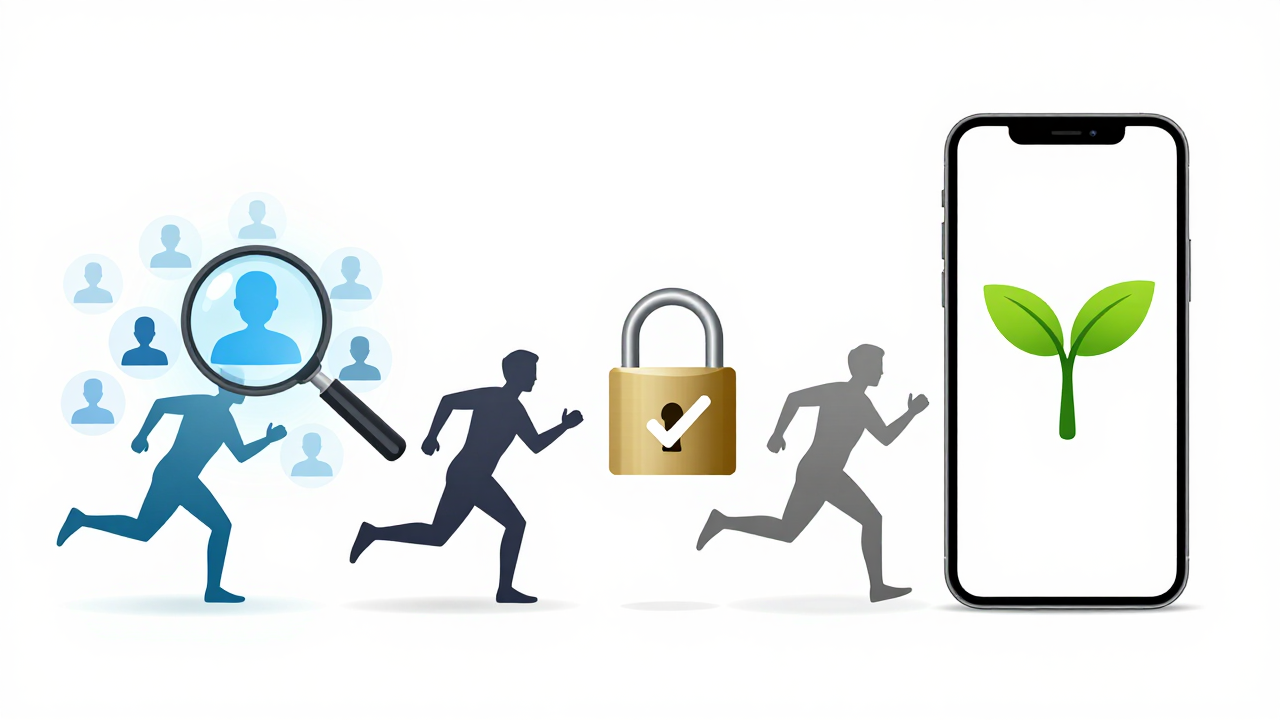
To sum up, buying TikTok accounts is far from a one-and-done transaction. It's more like a relay race requiring careful execution. From thoroughly researching an account's true value to choosing a transparent provider for the transaction, and then patiently nurturing the account to restore and boost its weight, every step directly impacts your operational success. In today's fiercely competitive TikTok ecosystem, the idea of taking a "shortcut" via account purchase is understandable, but in practice, process rigor and operational patience are the real shortcuts.
Frequently Asked Questions (FAQ)
What is the most important thing to do right after I buy a TikTok account?
The immediate priority is security. As soon as you log in, change the password and rebind the account to your own phone number or email. Then, begin a nurturing period of about a week where you interact with the platform like a normal user before posting any marketing content.
How can I tell if a purchased TikTok account is high-quality or "blacklisted"?
Purchase from a reputable platform that provides detailed account reports and a short warranty. Check the account's content history, follower engagement patterns (not just follower count), and ensure it has no prior strikes. A clean account should show stable, organic growth.
Is it safe to buy TikTok accounts for advertising purposes?
Yes, but the requirements are stricter. For TikTok advertising, prioritize accounts with a history of stable activity, a clean record without violations, and one that has been properly warmed up. The account's stability is more critical than its size for ad delivery success.
Should I buy a brand new "blank" TikTok account to save money?
While cheaper, new blank accounts have near-zero authority. They require a very long and patient nurturing period to gain any traction. For most cross-border sellers, purchasing a slightly aged account with an existing content history is more cost-effective in the long run.
What does "account nurturing" actually involve?
Account nurturing is the process of training the algorithm to understand your account's niche. This involves daily activities like watching videos in your target category, liking, commenting, and occasionally following relevant accounts for about 30 minutes per day for 5-7 days. It builds initial weight and trust.