TikTok 1K Follower Account Cost: 2026 Market Guide & Pricing Breakdown
TikTok 1K Follower Account Cost: 2026 Market Guide & Pricing Breakdown
Let’s be real: for cross-border short-video businesses or studios just starting out, a “month-old, 1K-follower TikTok account” is often a topic you can’t avoid. But in 2026, what is it actually worth? How have the cost structures changed from a couple of years ago? This article breaks it all down so you can spend your money wisely.
Cost Structure: It’s More Than Just the Purchase Price
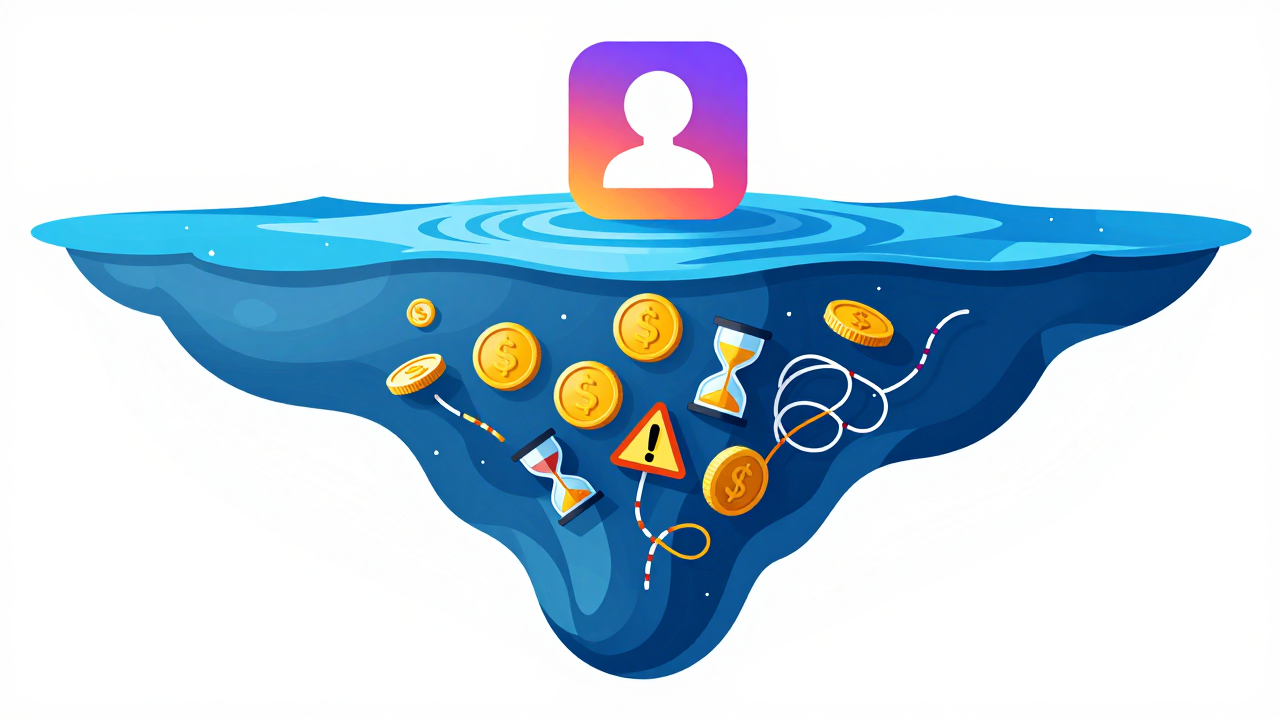
Many people’s first instinct is to ask, “How much for one account?” But industry consensus is that this is just the base price. The cost of a healthy, value-generating TikTok account goes far beyond the one-time purchase fee. Think of it like buying a car—the sticker price is only the beginning.
- Account Acquisition Cost: This is the biggest chunk, and prices vary wildly. A brand-new blank account and a 1K-follower account with niche content and a clear audience profile are worlds apart in value. A basic, violation-free 1K-follower account typically ranges from tens to several hundred RMB on the current market.
- Nurturing & Operations Cost: You can’t just “milk” an account right after purchase. You need a minimum one-week “account farming” period to simulate real user behavior, boost the account’s weight, and reduce the risk of being flagged. The time and effort invested here, or the cost of tools used, should all be factored in.
- Content Alignment Cost: The account’s existing content might not perfectly match your business direction. You’ll need to adjust, supplement, and even tweak the profile to better align with your brand tone.
- Risk Cost: This is the invisible but most fatal factor. Buying accounts itself violates TikTok’s Terms of Service, carrying a high risk of being banned or throttled. A failed purchase doesn’t just cost money; it wastes your prior investment of time and market opportunity.
2026 Price Ranges & Key Influencing Factors
Based on recent discussions with multiple practitioners, 2026 market pricing is more segmented. The core factors influencing price revolve around “safety” and “value.”
| Account Type | Approximate Price (RMB) | Core Value Point | Primary Risk |
|---|---|---|---|
| Basic Blank Account (Registration Only) | 10 - 50 | Provides just login credentials, skipping registration and SMS verification. | Extremely low weight, highly prone to risk control, very difficult cold start for content. |
| Daily Active Account (Basic Browsing History) | 50 - 150 | Has undergone initial farming, simulates normal user behavior, slightly better stability. | Still a high-risk transaction; historical behavior is uncontrollable. |
| Niche Content Account (A Few Original Videos) | 200 - 500+ | Has niche tags and an initial audience profile, allowing faster content production after takeover. | Higher price; requires verification of content authenticity and follower quality. |
| High-Engagement “Premium” Account (Sticky Followers) | 800 - Several Thousand | Higher follower authenticity, good engagement data, emerging commercial value. | Extremely expensive; high suspicion of data fabrication; requires extreme caution. |
Many cross-border practitioners report that accounts marketed as “high weight” or “instant approval” are often overpriced, with performance that fails to match the hype. Platforms like Getfollow that offer overseas social media accounts services typically have public pricing that clearly distinguishes different “health levels” of accounts and may offer some after-sales assurance. This can be more transparent than buying blindly from individual sellers. However, you still bear all compliance risks for any form of account trading.
How to Make a Smarter Decision?
When facing a complex market, especially when you’re desperate to launch a project, it’s easy to rush into a bad decision. Try to evaluate calmly from these angles:
Clarify Your Core Need: Are you buying this account to immediately run ads for sales, or for content testing and matrix operations? The former requires a more mature, higher-risk account; the latter might start with a lower-cost TikTok account, trading time for space.
Scrutinize Service Provider Transparency: A reliable provider (note: “reliable” here refers only to a clear transaction process, not a guarantee the account will never be banned) should be willing to disclose its farming logic, provide screenshots of the account’s past behavioral data (even if fabricated, it’s better than nothing), and have clear after-sales terms. Be wary of sellers who only make promises but show no process.
Calculate Your Total Cost of Ownership: Don’t just look at the purchase price. Factor in the potential cost of failure and your time. Sometimes, investing in official ad channels or content creation can be more cost-effective in the long run than buying an unstable account.
Ultimately, TikTok’s risk-control algorithms are continuously upgrading. In 2026, acquiring accounts through unofficial channels is getting riskier, with ban rates remaining high. The more stable industry trend is shifting toward organic growth via quality content or using officially permitted marketing tools. Buying a 1K-follower account is more like a “quick fix”—it can solve an immediate problem but is by no means a healthy foundation for a long-term business.
Frequently Asked Questions
What is the average cost of a TikTok 1K follower account in 2026?
The cost varies significantly based on account “health.” A basic, blank account might cost as little as 10-50 RMB, but its usability is extremely low. A daily active account with some history runs 50-150 RMB. A niche content account with genuine followers starts at 200 RMB and can go up to 500+ RMB. Premium accounts with high engagement can cost thousands. Always remember the total cost includes nurturing, content alignment, and significant risk.
Is buying TikTok accounts safe and worth it?
It is inherently unsafe as it violates TikTok’s Terms of Service, carrying high risks of account bans and content throttling. While it may provide a quick start for testing, it is not a sustainable or cost-effective strategy long-term. The hidden risks often outweigh the benefits. Investing in official advertising channels or quality content creation is a more stable approach.
How can I reduce the risks if I decide to buy an account?
If you proceed, prioritize transparency: choose providers who show detailed account history and clear after-sales policies. Start with a lower-investment account for testing. Most importantly, perform thorough due diligence on the seller and never rely on a purchased account as your sole business asset. View it as a temporary tool with a high risk of failure.