Buying vs. Growing TikTok Accounts: A Cost-Benefit Analysis for TikTok Shop Sellers
Buying vs. Growing TikTok Accounts: A Cost-Benefit Analysis for TikTok Shop Sellers
For many new teams entering the cross-border e-commerce space—especially small studios and solo entrepreneurs—the first major headache is sourcing a TikTok account. Do you spend money on a ready-made one, or invest time to grow it from scratch? Get this calculation wrong, and you’ll either burn through your budget or cripple your launch momentum. Forget the theory today; let’s break it down based on real-world cases I’ve observed over the years.
The Core Triangle: Time, Money, and Certainty
Before making a decision, ask yourself three questions: What’s your startup capital? How much time can your team dedicate to the non-revenue-generating task of account nurturing? How rigid are your requirements for the account’s initial state (follower count, niche focus, engagement history)?
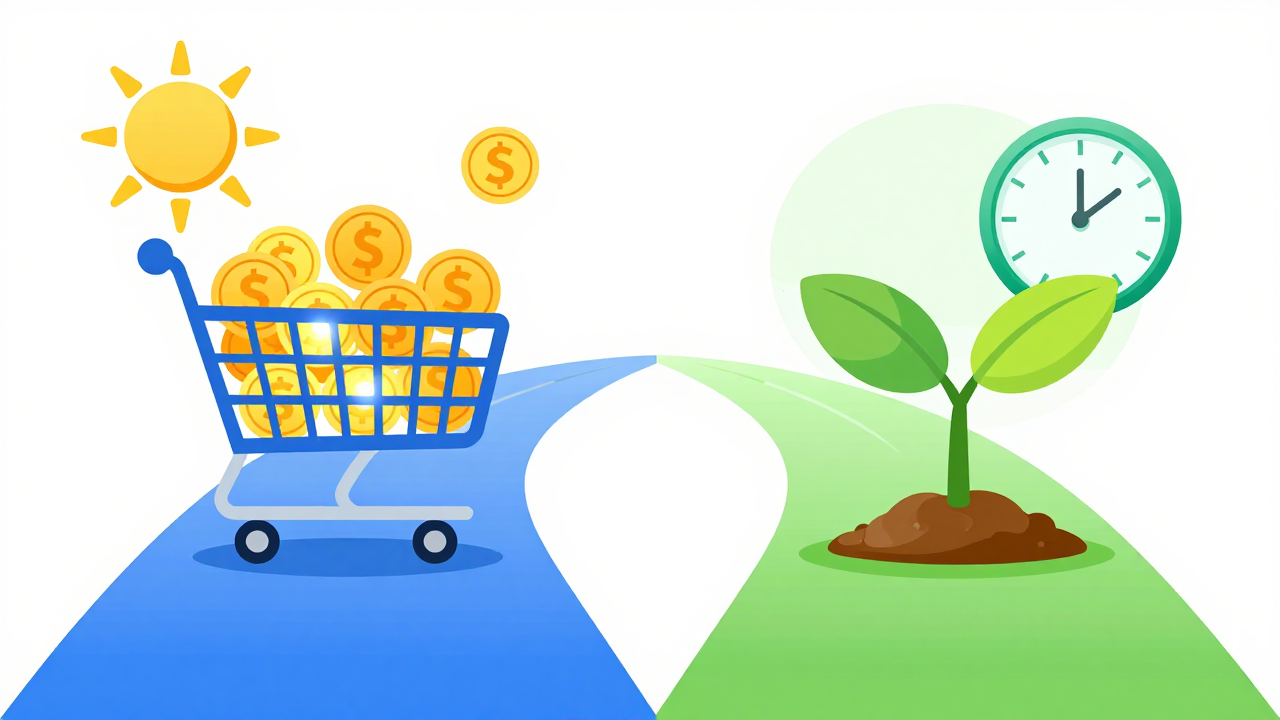
Buying an account is essentially purchasing “time” and “certainty.” You pay to skip the cold-start phase and acquire an account with an existing traffic pool. This is incredibly appealing for sellers who need to validate a market quickly, test content directions, or are ready to immediately launch a TikTok Shop. But here’s the major pitfall: this “certainty” is often fragile. You may not know if the account’s source is clean, if past engagement was genuine, or even if it was previously used for policy-violating activities. An industry consensus is that so-called “thousand-follower accounts” or “enterprise accounts” circulating in the market often have a retention rate between 50% and 70%, and they can be throttled or banned within a week due to underlying issues.
The Hidden Costs of Self-Nurturing and the “7-Day Method” Trap
Growing your own account sounds like the safe, steady path, but the hidden costs are substantial. This isn’t about electricity or internet bills; it’s about your team’s time and opportunity cost. A TikTok account that can publish normally and consistently gain organic traffic typically requires 7-15 days of strategic, sustained interaction and content posting to “mature.” During this period, you must constantly adjust posting times, study competitor accounts, and create platform-friendly initial content. Many practitioners report that a single operations team member can expertly maintain no more than five “seed accounts” at a time.
A key operational detail: don’t believe in the so-called “7-day aggressive nurturing method.” From my experience, simulating activity through massive follows, likes, and comments in a short period is the fastest way to trigger risk controls. Proper nurturing is about “simulating authentic user behavior”: spend 15-20 minutes daily scrolling through niche content, interact naturally (like watching a video completely before liking), and choose low-traffic time slots for your first few posts to avoid being flagged as a marketing account. This process is tedious and requires patience.
Industry Evolution: How Service Providers Are Adapting and Going Legitimate
Precisely because both buyers and growers face pain points, a market has emerged for platforms offering account-related services. While early services were often a mixed bag, some leading providers have fundamentally evolved their models. They no longer simply “sell accounts” but offer “account rental” or “managed incubation” services.
Take platforms like Getfollow with a solid industry reputation as an example. Their logic typically involves the platform holding a large inventory of pre-nurtured accounts in various states (from basic social media accounts to thousand-follower profiles) for sellers to rent short-term. Sellers can use the account to test content and streamline workflows, while the provider handles the account’s ongoing nurturing and maintenance. For TikTok Shop sellers, this can directly link to the testing phase of opening a store. This model mitigates initial risk to some extent, making it ideal for teams wanting to quickly test the waters without the pitfalls of buying a raw account.
How to Decide? Use This Dynamic Assessment Table
I can’t give you a black-and-white answer, but you can evaluate based on these dimensions:
| Decision Factor | Better for Buying/Renting an Account | Better for Growing Your Own |
|---|---|---|
| Business Stage | Product/content model validated, urgently need a traffic gateway; plan to launch TikTok Shop quickly. | In brand incubation or content exploration phase; business pace can tolerate a startup period. |
| Budget & Resources | Have a dedicated market testing budget; team has strong content/ops skills but lacks cold-start experience. | Budget is tight, but team time is relatively abundant; or business core relies heavily on high-weight private traffic. |
| Risk Tolerance | Can accept a certain level of account loss, viewing it as a marketing test cost. | Require 100% controllable and accumulable account assets; cannot afford business disruption from a banned account. |
| Content Strategy | Content direction is clear, with the ability to consistently produce viral hits; needs a high-starting-point platform. | Content requires iterative testing; relies on organic traffic feedback to adjust direction. |
A special reminder: no matter which path you choose, it’s wise to adopt a “small-scale test first, then long-term partnership” strategy. If buying an account, start with just one or two of the cheapest options to test the waters, observing the platform’s real engagement data and stability. If choosing a service provider, first try their most basic rental service to assess their customer service response speed and account quality. Don’t invest your entire budget at once.
Finally, remember the underlying logic: an account is just a tool. What truly determines the success of your cross-border business is your product strength, content capability, and depth of localized operations. Instead of obsessing over “buying” versus “growing,” focus that energy on honing your core competitiveness. For account infrastructure, finding a path that quickly addresses your weaknesses while keeping compliance risks manageable is the most “cost-effective” choice right now.
Target Audience: Cross-border E-commerce Sellers / Freelancers / Small and Medium Business Owners
Frequently Asked Questions (FAQ)
Is it cheaper to buy TikTok accounts or grow them myself?
The answer depends on how you value your time and risk tolerance. Buying accounts has a direct upfront cost, but saves significant time. Self-nurturing has low financial cost but high time investment and carries the risk of failure or account bans. For a precise cost comparison, you must factor in your team’s hourly rate and the value of a faster market entry.
What is the biggest risk when purchasing TikTok accounts?
The biggest risk is the unknown origin and history of the account. It may have been used for spam or rule-breaking, leading to sudden restrictions or bans after you’ve built content on it. This is why using a reputable service provider that offers managed accounts or rentals for testing is often a safer initial step than buying from unverified sources.
How long does it really take to grow a TikTok account organically?
For a basic account to become stable for regular posting and gain initial organic traction, it typically takes 7-15 days of consistent, strategic activity. However, reaching a level suitable for commercial use like affiliate marketing or driving traffic to a TikTok Shop often takes several months of focused content creation and community building.