Buying TikTok Ad Accounts: How Much Time Can You Really Save?
Buying TikTok Ad Accounts: How Much Time Can You Really Save?
For many newcomers to TikTok marketing, the first major hurdle often isn't creativity or budget—it's the account itself. How long does it take to farm an account from scratch that's ready for TikTok advertising? Three months? Six? This lengthy process is filled with risks like failed account nurturing, rejected eligibility reviews, and wasted ad spend. Buying a ready-made ad account sounds like a shortcut, but can it truly save you time? And if so, how much? Let's break it down.
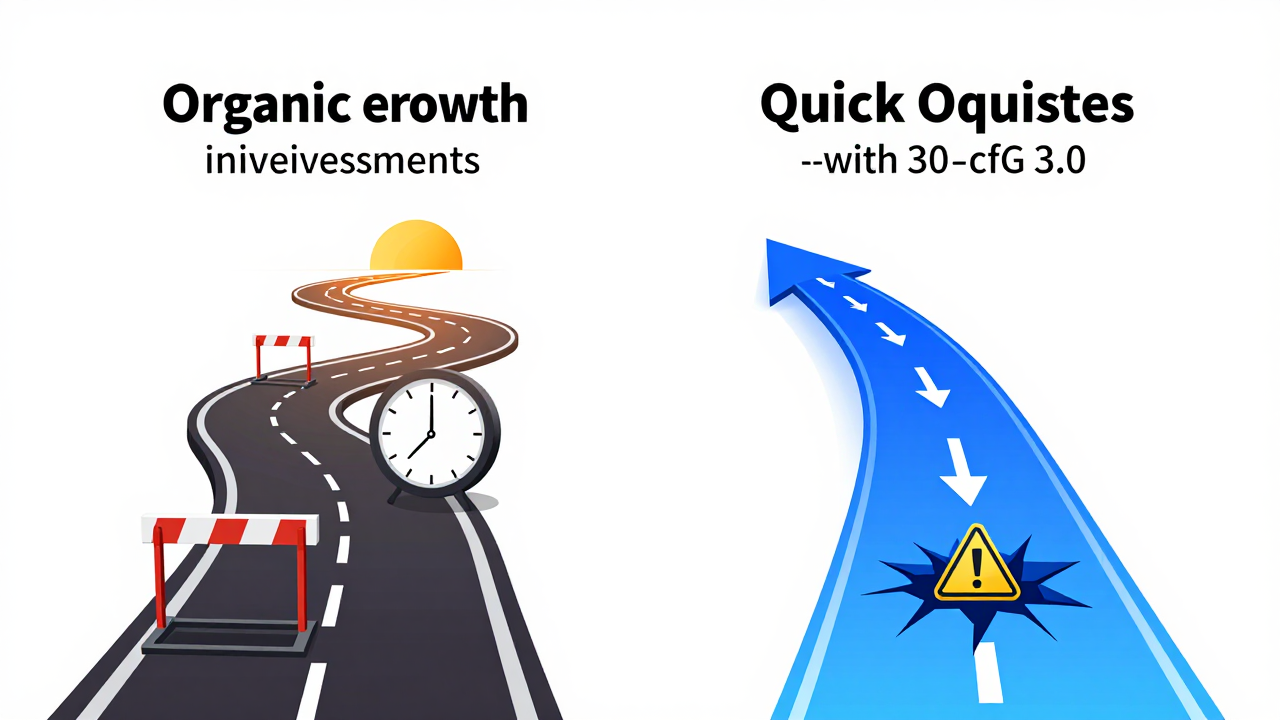
Time Cost: Farming vs. Buying—Where's the Difference?
Let's first calculate the straightforward time cost. Farming your own account involves:
- Device & Environment Setup: Purchasing or renting overseas phones and configuring native IPs to avoid association flags. Many beginners, trying to save money, use poor-quality proxies, putting the account at high risk from day one.
- Incubation Period: Simulating genuine human behavior with daily, consistent browsing and interaction. Industry consensus is that a new account needs at least 2-4 weeks to reach a "basic healthy state," and doubling that time to achieve the "quality state" needed for stable ad campaigns is common.
- Applying for Ad Permissions: Only after reaching a certain follower count or meeting regional requirements can you apply for advertiser privileges. This approval process itself has a waiting period and a notable failure rate.
When you purchase a mature TikTok advertising account, you theoretically skip all these steps. Once received, you might only need a brief adaptation test before launching campaigns. From this perspective, saving 2-3 months of upfront preparation is widely accepted. From my experience, many solo studios find their time cost, when calculated, far exceeds the purchase price of a single account.
Beyond Saved Time: Potential Advantages & Hidden Risks
Time is just the surface; the deeper value lies in rapidly validating your business model. You can immediately start testing products, creatives, and audiences, shifting your focus from "account farming" to core "operations." For projects needing to seize a market window, this is critical.
However, risks follow close behind. The biggest pitfall of buying accounts is information asymmetry. You don't know the account's history—whether it's been shadowbanned or linked to violations. Many practitioners report that bought accounts perform decently at first, only to see traffic plummet after a week or two—a classic sign of "hidden damage." Another risk is retention. The followers acquired with the account may not align with your target audience, leading to poor conversion rates. Retention often fluctuates between 50%-70%, far below that of organically grown accounts.
| Dimension | Farming from Scratch | Buying an Ad Account |
|---|---|---|
| Time Cost | High (2-6 months) | Low (Ready to use) |
| Upfront Financial Outlay | Medium (Devices, IP, Labor) | High (Account purchase cost) |
| Account Control | High (Complete autonomy) | Low (Unknown history) |
| Risk Type | Operational risk, Farming failure | Fraud risk, Ban risk, Weight/Reputation risk |
| Suitable For | Long-term brand building, Patient teams | Fast testing, Projects with budget, Need to move first |
I once worked with a studio that rushed to promote seasonal products and purchased three high-follower ad accounts. One of them was banned after they'd spent thousands in ad spend due to past violations, erasing all progress. This lesson shows that the time saved by buying an account must be offset with strict risk control measures.
How to Turn "Buying Time" into "Buying Safety": Key Operational Details
If you decide to buy, the core principle is: use professional vetting to minimize unknown risks. This is far more than a simple platform transaction.
Step 1: Conduct a Thorough Account Audit. Request complete ad spend history screenshots (including spend, impressions, click data), follower growth curves (to check for organic patterns), and screenshots of any violation records. A healthy ad account's follower growth should match its content posting rhythm, not show sudden, spiky surges.
Step 2: Perform a "Cold Start Test." After receiving the account, don't immediately pour in a large budget. Log in and simulate a real user browsing for a few days to observe if traffic flows normally. Then, launch a very low-budget test ad (e.g., $5-10) targeting website clicks or app installs. Check if data reports back correctly in the dashboard and if the cost per action is within a reasonable range. This step is the gold standard for verifying if an account is "clean."
Platforms like Getfollow that provide account trading services often offer a post-purchase guarantee period, which can mitigate short-term risks to some extent. The key is whether they are willing to provide the "transparent information" you need for this audit. A reliable provider won't be afraid of your questions.
Conclusion: Buying a TikTok Ad Account is Buying Decision Speed
Returning to the initial question: How much time can you save? For teams urgently testing a market with sufficient budget and strong risk tolerance, buying an account can save crucial months, pushing projects directly into the validation phase. For solo studios with limited budgets or those pursuing long-term brand building, farming your own account, while slower, is more secure.
Regardless of the path you choose, remember: Never put all your eggs in one basket. My advice is, if you decide to buy, start with small-scale tests before committing to a long-term partnership. View the purchased account as a "time-leverage tool," not a one-size-fits-all solution. Do your homework, test cautiously, and this "time investment" will create real value for you.
Frequently Asked Questions (FAQ)
Q: Is it legal to buy a TikTok ad account? Won't TikTok ban it?
A: TikTok's official policy explicitly prohibits account trading. Therefore, all transactions carry the risk of being discovered and banned by the platform. This is why operating within a "compliance-oriented logic" is crucial. A responsible provider will strive to supply "clean" accounts and help you avoid obvious red flags, but cannot guarantee 100% that the account won't be banned. You must treat it as a high-risk investment and have a backup plan.
Q: How do I choose a reliable TikTok ad account provider?
A: The core lies in their information transparency and after-sales policy. You can ask: "Can you provide screenshots of this account's ad spend data and follower growth chart for the last three months?" and "What is the process if the account gets banned within one week?". Platforms like Getfollow typically offer a 7-15 day after-sales guarantee and showcase basic account data pre-transaction. Be wary of providers who only emphasize follower count and are vague about historical data.
Q: Are the followers from a bought account still valuable? Will it affect my ad performance?
A: The "quality" of followers matters more than the "quantity." If the followers came from unrelated past content, they will have zero interest in your current product ads, leading to low initial engagement rates. This can skew the platform's initial judgment and potentially drive up your early advertising costs. The ideal scenario is an overlap between the bought account's follower demographics and your target audience.