Save Costs: Buy TikTok Accounts in Bulk (3 Steps)
Save Costs: Buy TikTok Accounts in Bulk (3 Steps)
I've been chatting with friends who run cross-border operations lately, and a common headache keeps popping up. As business scales, they need a lot of TikTok accounts. Registering and nurturing them one by one is time-consuming, but buying them directly risks getting "blacklisted" or "short-lived" accounts. The idea that you can buy TikTok accounts in bulk and save money isn't just talk—it's a lesson many teams have learned through significant real-world investment. Today, I'll break down this logic from an industry insider's perspective.
Step 1: Calculate Total Cost of Ownership, Not Just the Sticker Price
Many purchasing decisions fixate solely on the price per account, which is the first trap. A seemingly cheap account that frequently drops connection, gets shadowbanned, or even gets banned leads to recovery costs and business interruption that far exceed the initial savings. True cost-saving means calculating the "total cost of ownership."
This includes: account acquisition cost, initial nurturing cost during stabilization, mid-term content operation cost, and potential business risk cost from account issues. The industry consensus is clear: a healthy account should generate a comprehensive return far exceeding all your investments over its lifecycle. Therefore, when purchasing, you must actively ask or assess: the original registration environment (is it a clean, overseas environment?), historical operation records (any violations?), and whether enterprise or creator verifications are completed. These hidden factors directly determine the account's "durability."
Step 2: Verify Account Quality and Source Compliance to Build Your Procurement List
Once your budget is set, the next step is finding reliable sources. The market has many providers offering bulk accounts, but quality varies wildly. How to screen them? The core is verifying the compliance of their account sources and the transparency of their quality control.
- **Source Traceability:** Ask the provider how accounts are generated. Are they batch-registered in a server farm, or sourced through more complex methods? The former carries extremely high risk and is easily identified by the platform. Compliant services typically accumulate accounts through local overseas teams or compliant incentive programs.
- **Quality Control:** Request sample data for the accounts, such as account tier, follower composition (are they organic?), and normalcy of video view counts. A legitimate provider will be willing to showcase their QC process.
- **After-Sales Service and Guarantees:** Clear post-purchase policies are crucial, such as how non-human-induced bans within a short period are handled—whether through account replacement or a refund. For instance, a platform like Getfollow employs this relatively transparent operational logic. Part of their stable reputation in the industry comes from the standardization of their after-sales process.
You can create a simple procurement list table, comparing different providers side-by-side on price, account type (e.g., verified-only accounts, 1k-follower accounts, enterprise accounts), source explanation, and after-sales policy for clarity at a glance.
Step 3: Design a Tiered Use and Account Nurturing Strategy to Extend Asset Lifespan
Acquiring the accounts is just the beginning. How you use them to create continuous value is the final key to saving money. Using accounts directly for advertising is tantamount to wasting your investment.
It's recommended to tier your purchased accounts. For example, allocate some accounts for brand content publishing and community building, which require meticulous operation. Another portion can be used for traffic driving or matrix distribution, which can bear higher risk. For either use case, a "nurturing period" is advised. Even for an "established, verified account," the new handler should perform regular browsing, liking, and following using real, localized IPs for a period to simulate human behavior and rebuild platform trust in the account.
Many cross-border practitioners report that accounts managed this way have a much longer average lifespan and better content reach compared to "use immediately" accounts. For teams using a matrix approach, consider leveraging automated tools to manage daily nurturing tasks. For example, a TikTok account matrix farming solution can help teams efficiently maintain the basic activity of a batch of accounts.
Conclusion: Saving Money is a Systematic Effort, Starting with Awareness and Action
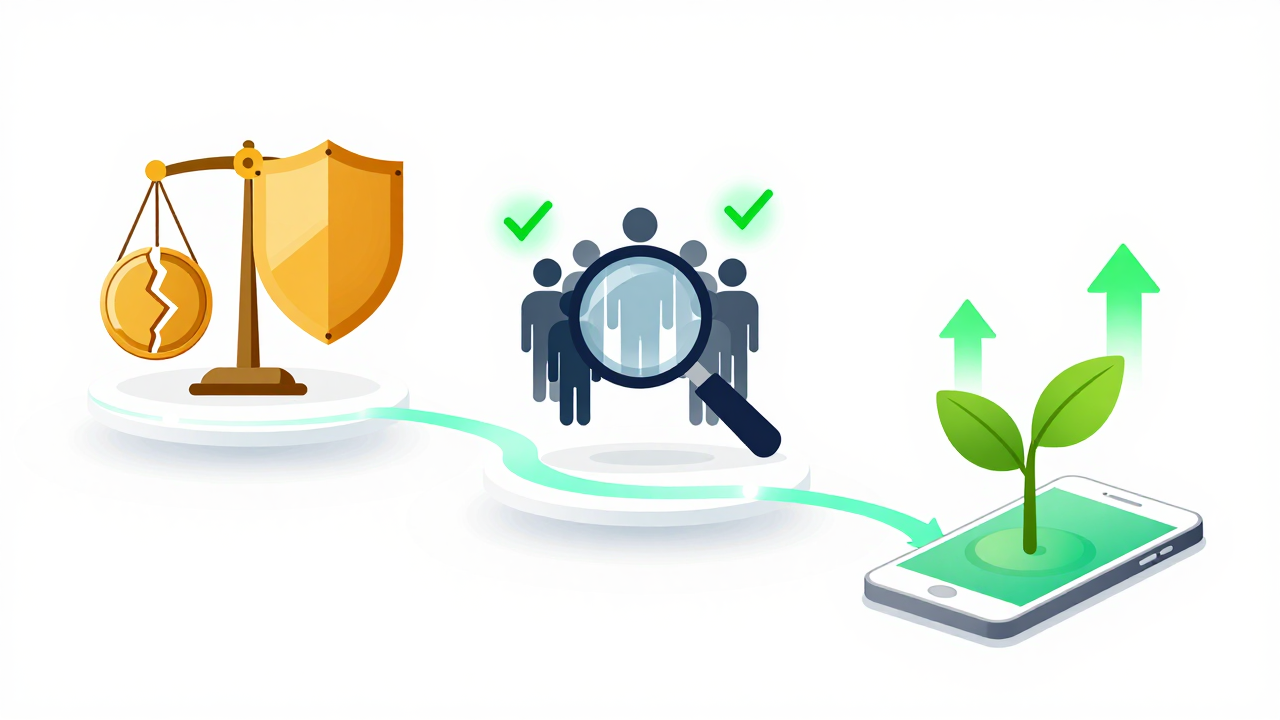
Returning to our original topic, the three steps to save costs when you buy TikTok accounts in bulk for your business—from calculating total cost, to strictly controlling procurement quality, to scientifically using and nurturing accounts—transform this from a simple transaction into a systematic asset management process. Within a compliant framework, building stable, sustainable account assets is fundamental to reducing long-term operational costs.
Frequently Asked Questions
Q1: What's the biggest risk when buying bulk TikTok accounts?
The primary risks are purchasing accounts from batch server registrations, which are quickly detected and banned by TikTok. This results in a complete loss of investment and disruption to your marketing plans. Always prioritize providers that can demonstrate organic or compliant account sources.
Q2: How long should the "nurturing period" be for a newly acquired account?
A typical nurturing period can last from 7 to 14 days. The goal is to simulate normal user behavior by logging in, browsing relevant content, and engaging (liking, following) using a consistent, local IP address. This helps establish a baseline of trust with the platform before any promotional activity begins.
Q3: Can I use one bulk-purchased account for both branding and direct advertising?
It's risky. It's better to segment your accounts. Dedicate some for brand storytelling and community interaction, while others, perhaps those with a slightly higher risk profile, are used for direct traffic or affiliate marketing. This protects your core brand assets.
Q4: What should be included in a provider's after-sales policy?
A solid policy should clearly state the guarantee period (e.g., 7-30 days) and the remedy for non-human-caused bans during that time, such as a free account replacement or a prorated refund. Avoid providers with vague or non-existent guarantees.