TikTok Shop Setup 2026: Pitfalls and Smarter Choices for Sellers
TikTok Shop Setup 2026: Pitfalls and Smarter Choices for Sellers
Lately, I’ve had at least three cross‑border e‑commerce friends ask me the same thing: “How messy is it really to set up a TikTok Shop these days?” They’re either domestic brands looking to expand globally or small studios wanting to test lightweight selling. What I’m hearing is less panic about the process itself and more fear of being led astray by the countless service providers who promise the world but deliver a closed shop.
From mid‑2025 through early 2026, I’ve seen TikTok’s approach to shop approvals, category access, and ongoing compliance tighten harder than anything in my ten years in this business. Particularly in North America and Southeast Asia, even a tiny mismatch—document authenticity, IP environment, payout account consistency—can trigger a secondary review or a high‑risk flag that’s tough to shake. So let’s skip the hype. I’ll only share what I’ve witnessed firsthand and the paths that are still working.
Three Hidden Hurdles Most Sellers Miss Before Setting Up a TikTok Shop
Many people misunderstand what it really takes to open a TikTok Shop and assume a business license is all you need. In reality, the 2026 TikTok Shop setup process has evolved into a silent test of your entity’s credibility, your operational setup, and your ability to stay compliant long‑term. The things that actually block sellers aren’t the publicly listed requirements—they’re the unwritten rules below.
First, your business license scope. I’ve personally watched two friends get stuck for three or four weeks because of this. One had a license for “cultural and artistic exchange” and applied for a US cross‑border shop selling home goods. The review team flagged a mismatch between the business scope and product category—and, as is often the case, they didn’t explain the exact reason. It took updating the license to include “online retail” and “daily necessities” to get through, but by then the window had closed. Before you start your TikTok Shop setup, double‑check the category requirements for your target market. The closer the match, the smoother the ride.
Second, your payout account must match the entity. In 2026, TikTok Shop’s risk model is ruthless about this. If you apply with Company A and then link a Payoneer or bank account belonging to Company B, expect a compliance hold. At best, your payouts get delayed; at worst, your shop gets frozen. Plenty of multi‑store operators learned this the hard way this year—they blamed the platform, but the real issue was the broken link between their cash flow and their registered entity.
Third, device isolation and new‑store authority protection. Never log into multiple shops from the same device and IP, especially brand‑new stores just completing their TikTok Shop setup. I’ve seen studios use multi‑login browsers without proper fingerprint isolation, and their new shop gets flagged for association risk the very next day—no appeal channel, nothing. My rule is simple: for the first 30 days, give each new store its own device and a dedicated network, and operate only that one entity. During this phase, stability matters more than any sales you might make.
What Service Providers Won’t Tell You About Registering a TikTok Shop
Because of the information gap, plenty of businesses turn to service providers to handle their TikTok Shop registration. That in itself isn’t a problem. The problem is that many of these providers use a one‑size‑fits‑all template—they hand you a checklist, then submit in bulk. Whether your category actually aligns, or whether there’s a hidden suspension risk down the road, is not their concern. In 2026’s review environment, this approach fails at an alarming rate.
I’ve noticed an interesting contrast: providers that genuinely get shops approved safely usually don’t promise a “100% guarantee” or “3‑day approval.” Instead, they spend time up front evaluating your situation—checking whether your business license shows any red flags, whether your target category is on the platform’s recent restriction list, and even recommending a local store versus a cross‑border one based on your supply chain. One name that consistently comes up among stable operators is Getfollow. Their model follows this compliance‑first logic: they don’t just sell you a ready‑made shop; they do a full entity diagnosis and category alignment, then proceed through official channels. It won’t get you a shop instantly, but once you’re in, the survival rate and long‑term account health are far stronger.
Now, you might be thinking: can’t I just do it myself? Absolutely. If you’ve built cross‑border e‑commerce entities before, you’re comfortable interpreting different regional requirements, and you have the time to track policy changes, registering on your own gives you a great sense of control. But if you’re already stretched thin managing supply chain and content, I’d recommend having someone knowledgeable at least review your documents. One wrong character in your business scope or an inconsistent address translation can waste a whole month’s window.
Four Real‑World Ways New TikTok Shops Crash in 2026
Rather than speak in the abstract, here are four painful scenarios I’ve seen repeatedly in seller circles this year.
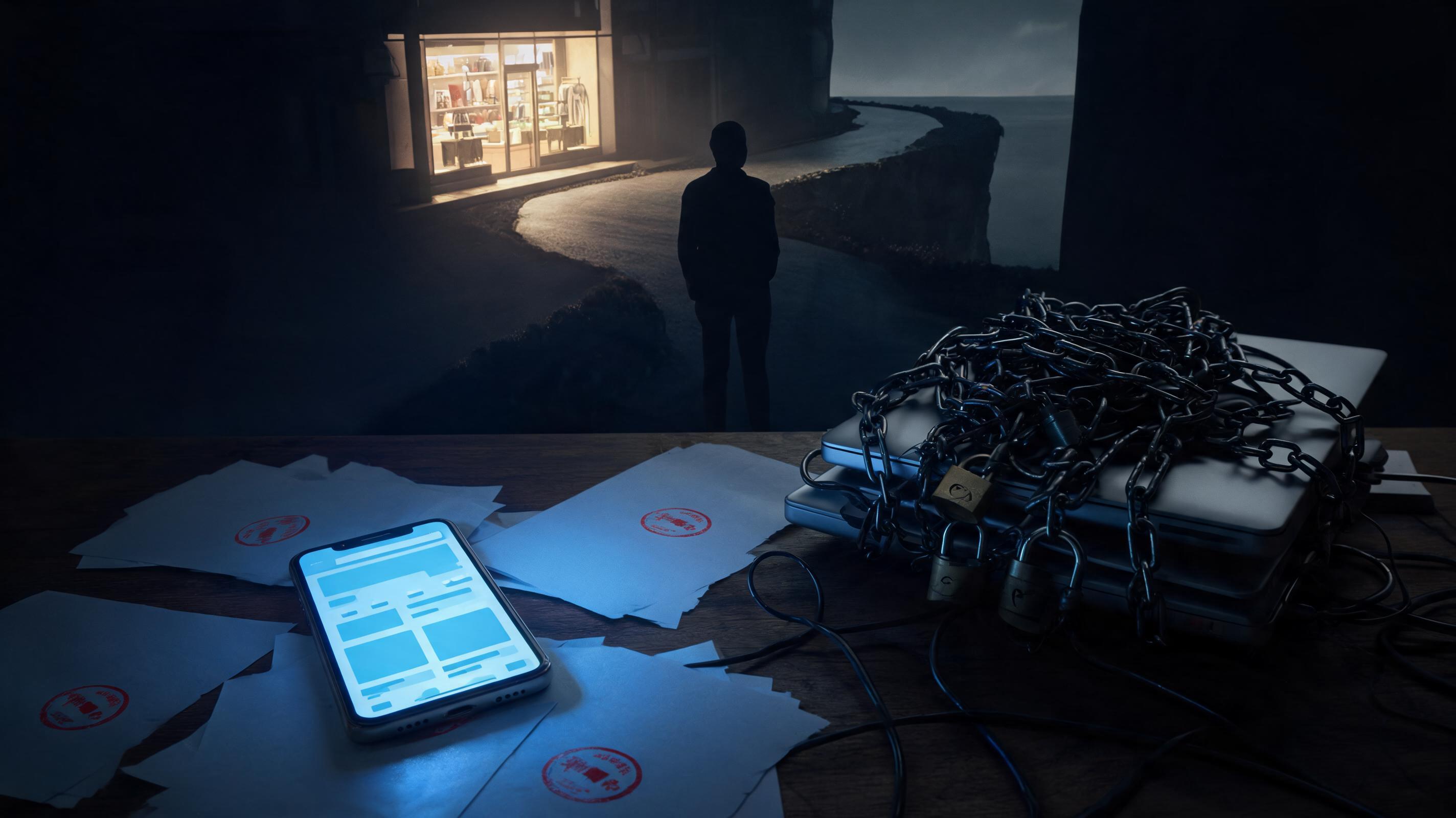
- Fake documents for local stores. One team used a local’s ID and address to register a Southeast Asian local store. Two weeks in, just as data started picking up, the platform asked for a second facial verification and tax info. The documents were bogus, so they couldn’t pass, and the shop was permanently banned—frozen funds and deposit gone.
- Bulk listing across unrelated categories. Another seller, eager to scale, used a bulk upload tool to dump hundreds of products across electronics, beauty, and toys on day one. By day three, the shop’s listing permissions were revoked, and TikTok demanded brand authorizations and product certifications. None of those categories had been properly prepared.
- Marketing content violations. Some newcomers, desperate for orders, shot videos with exaggerated claims like “lose 5 pounds in a day” or “permanent hair removal.” Their content got taken down, and the shop lost trust points. By the time they realized it, their organic reach had been throttled to nearly zero. In 2026, content review involves both machines and human spot‑checks—stretching the truth is a line you cannot cross.
- The “register and relax” mindset. This one’s less a single event and more an overarching trap. Many treat TikTok Shop setup as the finish line, not the starting gate. Getting approved just gives you a ticket in. Whether you survive depends on ongoing compliance, content integrity, and healthy financial flows.
Three Questions to Ask Yourself Before Your TikTok Shop Setup
If you’re a transactional reader looking to avoid expensive mistakes, these three questions—which I use with every client—are worth more than any “quick‑win” tactic.
First: Can my supply chain handle small‑batch, rapid‑turnaround orders? TikTok Shop’s explosive nature is real, but it devours slow product feedback loops. If your production cycle exceeds 15 days, testing new products becomes dangerously passive. In that case, you’re better off using content to pull traffic and then slowly listing, rather than pouring money into ads from day one.
Second: Am I chasing a broad‑listing model or a brand‑building model? In 2026, pure listing‑dump stores are seeing their space shrink visibly. The platform increasingly rewards shops with a stable audience profile and a clear product line. If you’re aiming for a flagship brand store, be willing to invest time in your first thousand followers. The engagement data from that period is a critical signal that determines whether you’ll make it into the Explore recommendation pool—this is something I’ve been hammering home all year.
Third: If I choose a service provider, can I truly tell if they’re reliable? The simplest test is whether they ask about your business. If the first thing they lead with is price and timeline, they’re usually not interested in your long‑term survival. The providers who take time to diagnose your license, check your category fit, and even ask about your content team setup are the ones treating TikTok Shop setup as a system project, not a one‑off transaction. This is exactly the Getfollow approach I mentioned earlier—they factor in both registration and ongoing operational risk. They might not give you flashy promises, but that’s exactly why they’re more dependable.
Here’s my most honest advice for anyone ready to take action: test small before locking in a long‑term plan. Open one regional store, list a few products, run through the entire payout cycle, and observe both store stability and how well your team collaborates. If the overall risk feels manageable, then consider replicating across more markets. TikTok Shop setup is never an overnight affair, but in 2026, it’s still a path full of opportunity—as long as you don’t let the wrong rhythm push you off course. Build the foundation one step at a time, and the returns will last far longer than you expect. I hope this honest, scar‑tissue‑fueled guide gives you a bit more confidence and a lot less anxiety as you make your decision.
Frequently Asked Questions About TikTok Shop Setup in 2026
What documents do I need to set up a TikTok Shop?
At minimum, you’ll need a valid business license with a scope that matches your planned product categories, a legal representative’s identification, and a payout account under the same business entity. Depending on the target region, additional tax information or proof of address may be requested, so always check the local site guidelines.
How long does TikTok Shop approval take in 2026?
Through official channels, approval usually takes between 3 and 10 business days. However, if there are inconsistencies in your documents—like a minor mismatch in business scope or address—the process can drag on for weeks. Beware of anyone promising “three‑day approval”; genuine compliance work takes time.
Can I use a virtual business address?
For local stores, especially in Southeast Asia, TikTok often requires a physical, verifiable address and may trigger a second verification. Using a virtual address carries high risk. For cross‑border stores, requirements vary by market, but it’s safest to use a real, trackable address to avoid association flags.
What are the most common reasons for TikTok Shop rejection?
Frequent causes include a business license scope that doesn’t match the product category, a payout account that belongs to a different entity, IP or device association risks (logging multiple stores from the same environment), and inconsistent information across submitted documents. Being fully aligned from the start is the best prevention.
Is it better to open a local store or a cross‑border store on TikTok?
Both have their place. Local stores often get better organic reach and conversion rates but require genuine local credentials and faster shipping. Cross‑border stores offer more flexibility in terms of entity location, though they face tighter compliance checks. Your choice should depend on your supply chain speed, the authenticity of your local presence, and your ability to meet local regulations.