TikTok Shop Southeast Asia Cross-Border in 2026: How to Set Up Without Getting Ripped Off
TikTok Shop Southeast Asia Cross-Border in 2026: How to Set Up Without Getting Ripped Off
If you're searching for how to join TikTok Shop Southeast Asia cross-border, you probably don't want another “click register, upload your docs” checklist. By 2026, the game has changed completely — and the water is much deeper than most people realize. Last month I helped a small studio selling Yiwu accessories run a post‑mortem. They’d poured nearly 80,000 RMB into testing accounts across three countries. Sixty percent of their shops never survived the trial period. The ones that did got a heartbeat of traffic for three days, then flatlined. That experience forced me to rethink something: the real barrier isn’t the button on the dashboard — it’s the invisible matching mechanism behind the scenes.
What’s Actually Blocking Your TikTok Shop SEA Cross‑Border Registration in 2026?
A lot of cross-border businesses still believe that as long as you’ve got a local business license and a linked payout account, you’re in. That logic is from two years ago. From what I’ve observed, TikTok Shop's Southeast Asia cross-border seller review in 2026 acts more like an ongoing credit‑screening system than a one‑time document check. Officially, Chinese entities can still apply through targeted invitations or channel managers, but approvals are remarkably restrained. Markets like Malaysia and Thailand, in particular, have become hyper‑sensitive to dynamic adjustments.
One detail that’s easy to overlook: the business entity you use for store registration really should have a stable operating history of at least six months on another major cross‑border platform. It’s not a hard requirement, but in private conversations, channel managers often use it as a reference point — they assume a “brand‑new entity with no track record” has a much lower chance of success. On top of that, brand authorization chain checks are way stricter now. A blurry authorization letter might have slipped through in the past, but in 2026 they’ll demand a complete authorization trail from the brand owner to your store entity, often with notarized translations. This step alone wipes out at least 30% of small teams rushing to go live.
Your “Unofficial” Guide to Registering for TikTok Cross-Border in Southeast Asia
When you search for how to register for TikTok Shop Southeast Asia cross‑border, the generic steps look the same everywhere: complete merchant account sign‑up, choose your market, fill in company details, wait for review, pay the deposit, link your logistics. But in practice, the problems usually hide in one seemingly small field of that company information form. For example, when filling out “primary business description,” plenty of people just copy and paste their scope of business from the license. However, the 2026 algorithm is now parsing semantics. If your description looks completely unrelated to the products you later list, the system may silently tag your shop as “low relevance” and throttle your early‑stage traffic.
Another painful lesson: always pay the deposit from your corporate bank account, and make sure the remittance note includes both the order number and your store ID. This year I’ve seen studios use third‑party payment agents, only to watch the platform delay verifying their payment. The result? The shop was technically registered but stuck in a hidden traffic‑limited state, with zero notification. They burned through the sweet two‑week traffic‑boost window with nothing to show for it. The takeaway: operational discipline matters way more than speed.
One more thing — Southeast Asia cross‑border stores must link a local fulfillment channel, whether that’s TikTok’s official logistics or a third‑party overseas warehouse. If you tick the “inventory in overseas warehouse” box during registration, make absolutely sure that warehouse physically exists. The platform now conducts random video verification of your warehouse environment and may even ask for recent outbound order records. This isn’t a scare tactic; it’s a real, documented practice in 2026.
Product Selection & Supply Chain: Is Every Category Worth Chasing?
A lot of sellers think the hard part ends once the shop is open. Actually, the real filtering begins with product selection. Indonesia still heavily restricts cross‑border stores, and even though some categories have loosened slightly in 2026, apparel, beauty, and food remain off‑limits. Thailand and smaller sites are extremely sensitive to regulations around Muslim‑related products. I’ve known sellers who got permanently banned — with zero chance to appeal — simply because a printed symbol on their packaging touched a cultural red line. The Philippines and Vietnam, on the other hand, are fiercely price‑sensitive. If your supply‑chain costs can’t be squeezed below 75% of what local sellers pay, you’ll get stuck in the “traffic but no conversion” death loop.
Industry consensus among cross‑border operators is that safer categories in 2026 are home sundries, pet supplies, and 3C accessories — what I’d call “standardized products within a non‑standardized feel.” But even here, caution is key. Some items that look like easy wins, like massage guns, have already been price‑warred to death in Malaysia and Thailand. If a new shop enters without a clear content‑differentiation strategy, it’ll almost certainly burn through shipping and warehousing costs with nothing to show. A practical pre‑registration tactic: spend two weeks beforehand, use virtual numbers to scroll through short videos and livestreams in each target country, and write down every product that pops up frequently with comments shouting “too expensive.” Then go search the same items on 1688 or from source factories and reverse‑engineer the cost. Only jump in when you still see margins of 35% or more. That’s a far more rational way to prepare for registration.
Why More Sellers Are Using Service Partners for TikTok SEA Cross‑Border Registration
In circles discussing how to enter TikTok cross‑border e‑commerce in Southeast Asia, the debate over using service providers has never really stopped. In 2026 it’s gotten even trickier. Platform policies grow more complex by the month, and the time‑and‑error cost of figuring everything out alone has climbed so high that many small studios simply can’t stomach it. That’s pushed the industry toward a few different service models: pure registration agents, full‑service operations, and compliance‑focused operational support.
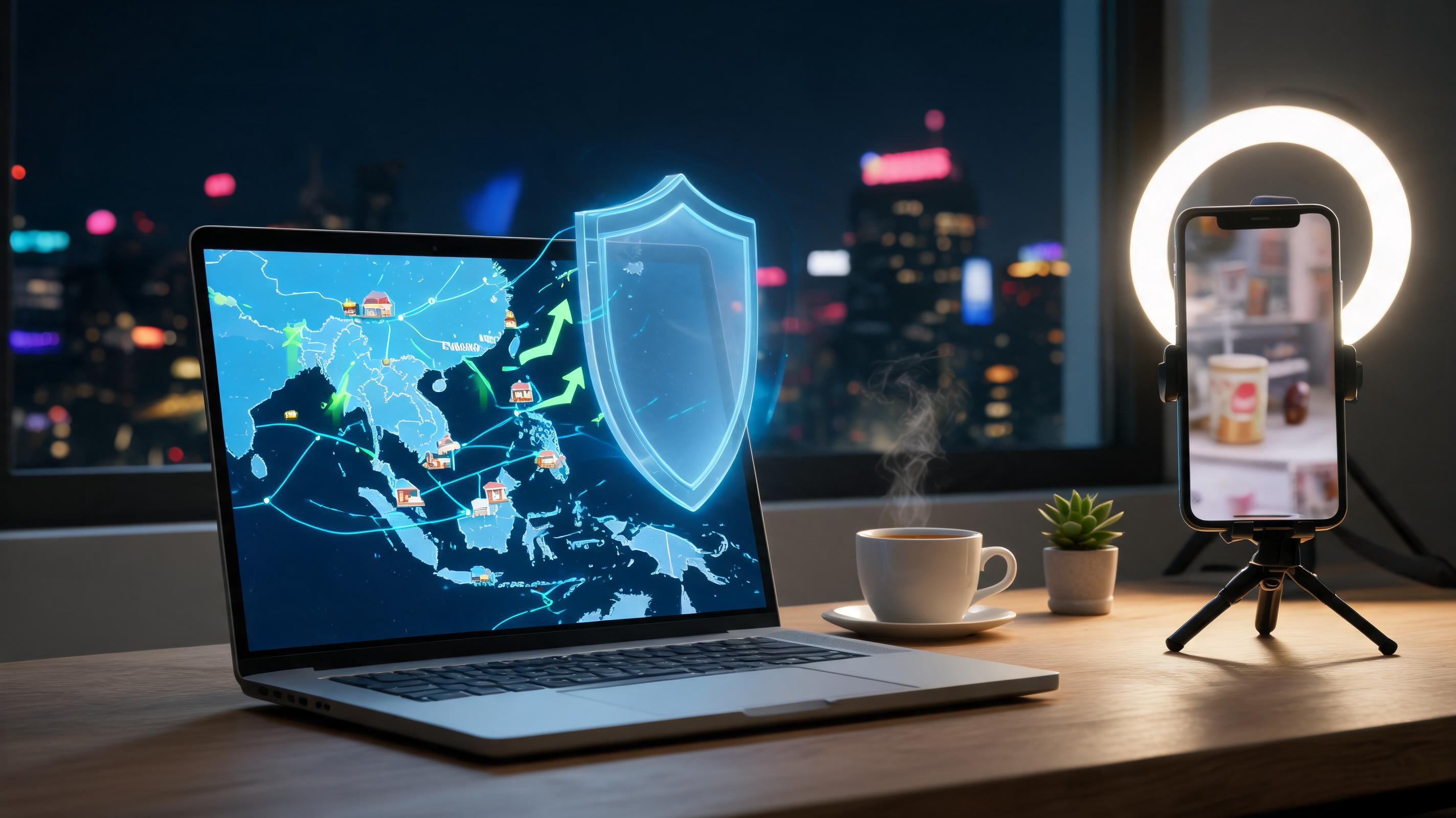
I’ve noticed platforms like Getfollow take a different approach. They don’t peddle “guaranteed approval” or “overnight hit products.” Instead, they emphasize locally compliant store setup and qualification matching — which, in an environment that’s cracking down hard on fake documents, has ironically become a rare asset. Teams that started using such services last year often tell me what they really value is the provider’s ability to keep tracking minor policy tweaks. For instance, when Malaysia recently required a tax identification number update, the service provider gave an early heads‑up and helped handle it, preventing a bunch of shops from having settlements suddenly frozen. So if you’re not confident about the nitty‑gritty of local regulations, finding a compliance‑focused partner who avoids over‑promising but keeps the process transparent can be a smart way to lower long‑term risk. Of course, this only works if your own supply chain and content capabilities are solid. Don’t put all your chips on someone else.
What to Do If Your Shop Gets Banned or Retention Stays Low
In 2026, the industry generally agrees that early‑stage retention rates for SEA cross‑border stores swing wildly — typically between 50% and 70%. If you get an unexplained ban, the first thing to check is violation of the “three‑inconsistency” principle: the store registration entity, the payout account holder, and the shipping warehouse contracting party must all be the same corporate legal person or an authorized related party. Also, if your video content repeatedly shows price signs or QR codes that lead to off‑platform purchases, you’re squarely in the strike zone for this year’s crackdown.
Operationally, my advice is to create a separate archive for each store from day one. Screenshot every platform notification, qualification update, and customer‑service communication and keep it organized. When you appeal, submit your evidence as a timeline with document reference numbers — that’s far more effective than writing a long, emotional plea. As a niche but powerful preventive measure, assign each shop its own dedicated network environment. Never let multiple shops share the same “clean” IP. In 2026, the risk‑control system is extraordinarily sensitive to IP association; one shop violates a rule, and the rest under the same IP get caught in the net. These are precisely the details that compliance‑focused service platforms, Getfollow included, now prioritize helping clients avoid.
Before You Go All In: The Smartest Entry Strategy for TikTok Southeast Asia Cross‑Border in 2026
When you strip it all down, the real question about how to set up a TikTok cross‑border store in Southeast Asia isn’t about speed — it’s about laying a foundation. TikTok’s SEA markets still hold plenty of vitality in 2026, but they’re no longer a wild‑west blue ocean. Cross‑border businesses and individual studios would be wise to start with one corporate entity and open just one or two sites. Test local consumers’ content preferences and your supply‑chain response time on a small scale. Run that for at least a quarter before deciding whether to scale. Every compliance step you take along the way becomes a safety net for future growth. Don’t let anxiety push you to rush in. Go a little slower, and you might actually end up going a lot further.
Frequently Asked Questions About TikTok Shop Southeast Asia Cross‑Border Registration
Can I still open a TikTok cross‑border shop in Southeast Asia as an individual in 2026?
Technically yes, but it’s not friendly. An individual studio needs to operate under a registered business entity (a sole proprietorship can work), and ideally that entity already has some e‑commerce track record. Pure personal identity applications almost never pass the qualification review. Even if you somehow squeeze through, later issues with withdrawals and tax handling will become a constant headache. It’s much safer to set up a proper entity first, then start your shop.
Do I need to register separately for each of the five major Southeast Asian countries?
No. TikTok Shop lets you open multiple country sites under one main account. During registration, select “Southeast Asia cross‑border” and then tick the markets you want to enter. Keep in mind that deposits are paid per country, and each site has its own list of prohibited categories, so you’ll need to configure them one by one. Also, the Singapore site still mostly operates on an invitation‑only basis for cross‑border sellers — just ticking the box won’t instantly activate it.
How do I pick a reliable service partner for TikTok Shop SEA?
Focus on two things. First, are they willing to change the “disclaimer” clause in the contract to something like “risks caused by document negligence shall be borne by the service provider”? Second, do they offer ongoing policy monitoring rather than a one‑off service? Some platforms, like Getfollow, build their process around keeping your store documents dynamically aligned with local regulations — which, in the tight‑supervision environment of 2026, is a fairly pragmatic approach. Steer clear of anyone promising “100% shop approval” or “overnight viral sales”; those shops often get shut down later because they achieved numbers through rule‑breaking tactics.
How long should it take to get my first orders after the shop goes live?
There’s no universal benchmark. What we’ve commonly observed in 2026 is that content‑driven new shops with decent product selection and snappy editing usually see a few scattered organic orders in the first two weeks, and hitting an average of 10–20 orders per day within a month is considered healthy. If there’s total silence after 45 days, it’s almost certainly a problem of confused store tagging or completely uncompetitive product selection — and the fix is a thorough diagnosis, not just pumping in more ad spend.
What if I don’t have an overseas warehouse when I register?
In the beginning, you can use TikTok’s official logistics. The platform will handle collection from domestic suppliers, customs clearance in the destination country, and last‑mile delivery. However, official logistics can be a bit bumpy in markets like Vietnam and the Philippines, where delivery times and successful delivery rates sometimes swing. Once your order volume stabilizes, it’s wise to partner with a compliant local overseas warehouse as early as possible. Shortening your inventory‑stocking cycle is one of the surest ways to boost store ratings and repeat purchase rates — and it’s a critical leap every small studio eventually has to make to move from side‑hustle mode to genuine scale.