How Much Does It Cost to Open a TikTok Shop in Indonesia? Full Breakdown
How Much Does It Cost to Open a TikTok Shop in Indonesia? Full Breakdown
Over the past two years, I’ve had the same question land in my inbox almost daily: “How much does it actually cost to open a TikTok Shop in Indonesia? Is it a huge investment?” My answer always starts with another question: Are you asking about the simple click-and-register process, or the real entry cost that lets you sell consistently, stay compliant, and avoid local regulatory traps? The gap between those two mindsets determines your entire budget.
In this guide, I’m not going to recite the official platform rules. I’m going to walk you through the real TikTok Shop Indonesia fees that only someone who has been in the trenches and fixed costly mistakes would know.
Registration Is Free—Don’t Be Fooled
If you go by the official website, TikTok Shop Indonesia has no mandatory “registration fee” or “store opening fee.” You can submit your documents and get approved without paying a flat upfront franchise charge. But that’s only half the story. Almost every cross-border seller I’ve worked with confirms the same thing: invisible hard costs are nearly unavoidable between deciding to sell and having a fully running store.
Those hidden expenses cluster around two areas: business entity compliance and local fulfillment capabilities. Indonesian authorities have been tightening requirements for cross-border sellers over the past few years. Tactics like using a China mainland business license to force entry no longer work. You have to decide early on whether to set up a local company yourself or use a nominee service provider.
- Registering your own Indonesian PT (local company) or representative office involves notarization, tax ID, bank account setup, and annual reporting. It rarely costs less than several thousand dollars and demands ongoing compliance support.
- Using a service provider’s compliant channel typically charges a one-time service fee plus a monthly maintenance fee. This has become the mainstream route for small and medium-sized teams that can’t handle the complexity of building a local entity on their own.
Where the Real TikTok Shop Indonesia Costs Hide
Opening the store is just the switch. The real TikTok Shop Indonesia fees are a set of ongoing cost categories that never show up on the registration page. If you don’t factor them in from day one, cash flow problems often hit within the first quarter.
- License handling and entity maintenance: Whether you own the entity or use a nominee, annual accounting, auditing, and tax filings become fixed outflows. Reliable service providers charge anywhere from a couple hundred to over a thousand US dollars per year on these recurring tasks.
- Platform commission and transaction fees: Indonesia generally takes a 2%–3% commission rate depending on the product category, plus payment gateway charges. The combined rate often hovers around 5%, which eats into gross profit. You need to reverse-calculate this at the product selection stage.
- Logistics, warehousing, and cash flow: Local fulfillment is a massive ranking signal. Many sellers turn to overseas warehouses or third-party Indonesian facilities. The real cost gap comes from inventory capital, storage rent, packaging consumables, and return losses—not just the shipping fee.
- Cold-start traffic: A new store cannot survive on organic traffic alone. Short-video product testing, creator seeding, and small-scale ad spend quickly reach a few thousand dollars a month. This budget often decides whether you survive the critical first three months.
From what I’ve observed, teams that thrive in Indonesia treat “opening a store” as building a full closed loop, not just flipping a switch. They split the budget into a one-time launch fund (licenses, store setup, first batch of inventory) and a 3–6 month operating reserve.
How to Spot a Reliable Service Provider
There’s an unspoken industry rule: the quality of your service partner makes or breaks your TikTok Indonesia journey. Quotes vary wildly. Some providers bait you with ultra-low or even zero setup fees, then make up the difference through inflated logistics and payment rates later. Others list the full annual package upfront.
Many cross-border sellers have shared the same experience with me: chasing the cheapest price gets you locked into a package where hidden costs pile up until you’re stuck. A smarter approach is to ask whether the provider can clearly break down every fee component: what’s included, whether the nominee structure is legally compliant, warehousing timelines, and compensation for delays—all written into the contract. A few platforms, like Getfollow, operate on this transparent compliance logic. They don’t promise overnight success, but they give you a clear chain across licensing, warehousing, and settlement so you can run the numbers yourself. It’s not the cheapest option, but the value shows in the absence of sudden price jumps down the road.
One thing I always remind sellers: no service provider replaces your own product sense and content skills. A provider helps you lay the foundation, but whether the store makes money still comes down to you.
Typical Cost Ranges for a Real Launch
Here’s a snapshot of what I see in the market today. The numbers reflect a moderate-risk entry, not the absolute minimum.
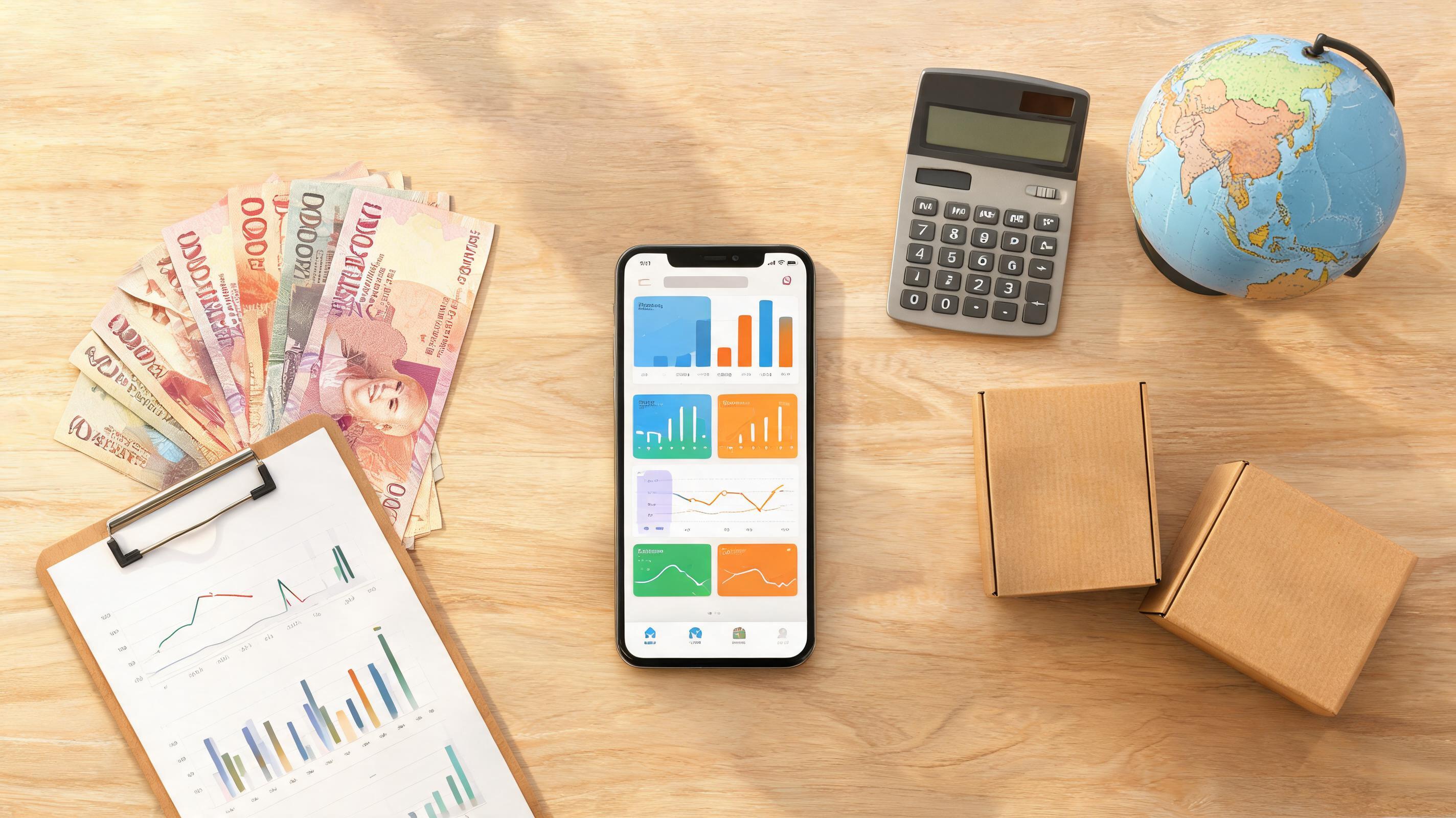
| Cost Category | One-Time/Setup | Monthly/Recurring | Notes |
|---|---|---|---|
| License & Entity Setup | $1,500 – $4,000 | $100 – $300 | Varies with service complexity and nominee fees |
| Platform Commission & Payment Fee | $0 | ~5% of GMV | Inbuilt, category-dependent |
| Local Fulfillment & Inventory | $2,000 – $6,000 | $300+ | Initial stock, warehousing, packaging |
| Traffic & Content Testing | $500 – $2,000 | $500 – $3,000 | Creator seeding, ad creative testing |
Remember, these are the real costs of entering TikTok Shop Indonesia, not just a registration form. The total investment you need to set aside realistically sits between $5,000 and $15,000 for the first few months, depending on how lean your model is.
Spend Smart, Not Just Cheap
So back to the original question: how much does it cost to open a TikTok Shop in Indonesia? If you count the entire go-live action plan, the current mainstream range is roughly $1,500 to $5,500 to cover licensing, store activation, small-batch inventory, and initial product testing. Sure, you can spend only a few hundred dollars if you skip most of these steps, but such a store rarely survives beyond a quarter.
Replace “registration fee” with “entry cost” in your mind. Whether that entry cost stays under control depends on whether you test the waters with a light asset model or go all-in with heavy inventory, and how firmly you stick to the compliance route. I’ve seen too many people save on early service fees only to pay far more later through banned accounts and frozen funds.
My advice: stop searching for a magic number. Instead, write down your category, your risk tolerance, and your expected payback period, then map backward to the correct entry path. The market is reshuffling fast. Those who build a compliant system early will be the ones who stay alive when the next wave of traffic opportunity hits.
Frequently Asked Questions About TikTok Shop Indonesia Fees
Is there an official registration fee to open a TikTok Shop in Indonesia?
No. TikTok does not charge a flat registration or shop opening fee for the Indonesian market. However, indirect costs tied to business licensing and local compliance are unavoidable for cross-border sellers.
What ongoing fees do I pay after my store is live?
Beyond the platform’s 2%–3% commission and payment processing fees, expect recurring costs for local entity maintenance, warehousing, logistics, return handling, and regular content and ad spending to drive traffic.
Do I need an Indonesian business license to sell on TikTok Shop?
Yes. In practice, a local business entity or a legitimate nominee arrangement is essential. Attempting to operate without proper documentation risks store closure and fund withholding. Service providers can handle this for a fee.
Can I start with a few hundred dollars and scale later?
You can open a basic store with minimal funds, but without product testing, local fulfillment, and traffic generation, the store usually fails to gain traction. A realistic start requires a buffer for the first three months of operating expenses.
Why do some service providers offer “free” setup?
Low-cost or free setup offers often hide inflated charges in logistics, currency conversion, or additional service fees later. Always request a full fee breakdown and check whether lock-in clauses are part of the contract.