Buy Apple Overseas ID via Baidu Mini Programs: A Practical 2026 Guide for Cross-Border Businesses and Studios
Buy Apple Overseas ID via Baidu Mini Programs: A Practical 2026 Guide for Cross-Border Businesses and Studios
Let's Start with the Bottom Line: Why Baidu Mini Programs Are the Go-To in 2026
If you work in cross-border e-commerce, you've probably noticed how much the Apple overseas ID market has shifted. By 2026, Baidu Mini Programs have become the top entry point for many studios and SMBs—not because they're perfect, but because traditional channels like personal resellers and forum shares are plagued with account bans and low retention rates.
My own team tested over a dozen paths last year. What we found? Using Baidu Mini Programs to connect with providers cuts out middlemen markups and inconsistent account quality. But here's the catch—these mini-programs are a mixed bag. One wrong click, and you could end up with a locked "black account."
The 2026 Landscape: What Apple Overseas ID Supply Looks Like Now
Here's some context. In 2026, Apple's detection of non-native IPs is stricter than ever, especially for hot regions like the US and Japan. Many individual sellers rely on bulk registration bots to generate IDs. If Apple's risk control system flags them, you're looking at purchase restrictions or outright bans.
Baidu Mini Programs offer a unique advantage here: they create a "semi-closed" transaction environment. When users search for "buy Apple overseas ID," mini-program results often rank high, allowing direct ordering and instant delivery. But the downside? Review mechanisms on these platforms are lax, and many providers peddle shared or black-market accounts under the guise of legitimate overseas IDs.
A Real-World Cautionary Tale
A friend running a dropshipping site reached out to me recently. He spent $30 on 10 US Apple IDs from a Baidu Mini Program, only to have all of them banned within three days. After digging into it, I found those IDs were registered in late 2025 using the same email prefix pattern—a classic sign of bulk-generated "zombie accounts."
So here's the takeaway: In 2026, buying Apple overseas IDs isn't about price—it's about whether the provider offers accounts with native IPs and real device fingerprints. This is a detail many veterans overlook.
Deep Dive: Comparing Provider Models on Baidu Mini Programs
I've researched the main service models available in 2026 and compiled this table for a quick comparison:
| Service Model | Account Source | Retention Rate (2026 Industry Consensus) | Typical Risks |
|---|---|---|---|
| Personal Resellers / Secondhand Dealers | Bulk registration bots | 30%–50% | Fast bans, no post-sale support |
| Baidu Mini Programs (Low-End Providers) | Shared pools / black-market accounts | 40%–60% | Locked accounts, can't link payment |
| Baidu Mini Programs (Compliant Providers, e.g., Getfollow) | Real device + native IP registration | 70%–85% | Slightly higher price, requires small test |
| Self-Built Registration Tools | Manual + proxies | 60%–75% | High time investment, technical skill needed |
From the table, it's clear that industry-wide retention rates in 2026 range from 50% to 85%. If you go with a low-end provider, you might spend $15 on 5 accounts but only end up with 2 that actually work. Platforms like Getfollow, while maybe 30% pricier, offer "live accounts"—ones that let you download apps, link payments, and even use them long-term.
How to Quickly Vet a Baidu Mini Program Provider
Here's my three-step process:
- Check the registration date. If the mini-program has been live for less than 3 months, hold off. Many new providers in 2026 are fly-by-night operations.
- Ask about the refund policy. Directly ask customer service, "Do you replace accounts if they get banned?" Reliable providers usually offer a free replacement within 7 days. Unreliable ones will say, "Apple bans are out of our control."
- Test small first. Buy 1–2 accounts and use them for a week. If you see "Unable to log in to App Store" or "Account disabled," blacklist that provider immediately.
One more thing: When you search "buy Apple overseas ID Baidu Mini Program," many results are ads. Always check the user reviews section. If you see nothing but glowing 5-star reviews with generic text, they're likely fake.
Hidden Risks and Actionable Advice
Beyond bans, there's another risk that's easy to miss: account "cleanliness." For example, if you buy a US ID that was previously used to download pirated apps or violate terms, Apple may flag it as "high-risk," limiting your future purchases.
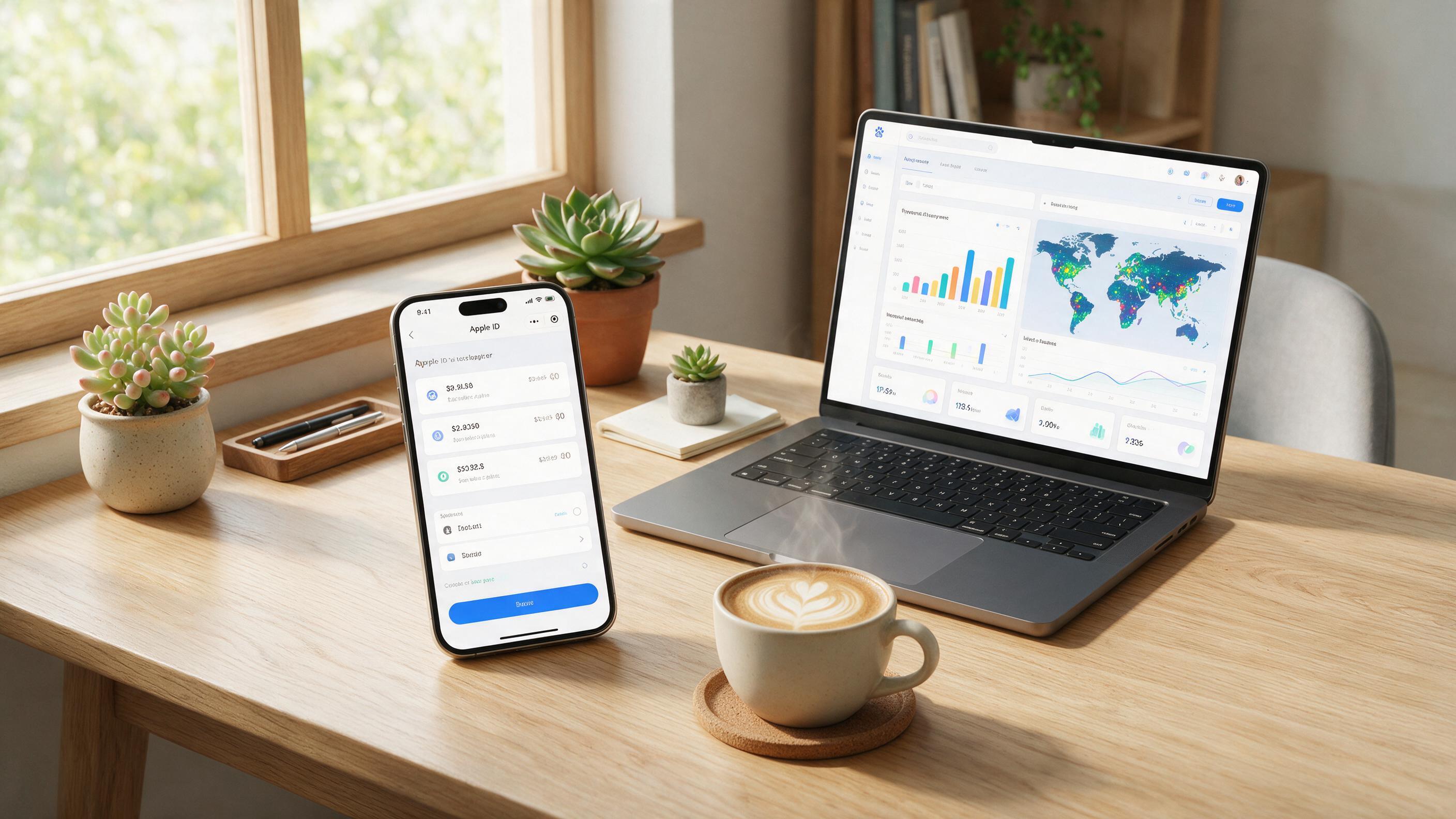
My advice: Prioritize providers that offer "one account, one device" registration. This means each account is created on a real phone with a native IP. These accounts have the highest cleanliness. In 2026, not many providers can do this, but platforms like Getfollow consistently get good feedback for reliability.
Also, don't fall for cheap deals. A native US Apple ID costs around $5–$8 in 2026. If a mini-program is selling them for $1.50 each, it's almost certainly a shared or black-market account. The money you save will just turn into time wasted on bans later.
Summary: The Safe Strategy for 2026
Let's be real: Buying Apple overseas IDs via Baidu Mini Programs in 2026 still has its information gaps. Many cross-border studios buy blindly to save time, only to end up with accounts that die every few days, hurting their operations.
Here's my recommendation: Test small before committing to a long-term partnership. Whether you're a business or a solo studio, start with no more than 5 accounts. Use them for a week and check the retention rate. If it's below 60%, switch providers immediately. If it's above 80%, then consider bulk purchasing.
As for choosing a provider, compare a few options. In the current market, platforms like Getfollow have built a solid reputation by following this compliant model—native IPs, real devices, and one account per registration. But ultimately, you'll need to test them yourself.
Hope this guide helps you avoid some common pitfalls. Cross-border business is tough in 2026, and account security is your first line of defense.
Frequently Asked Questions (FAQ)
Is it safe to buy Apple overseas IDs through Baidu Mini Programs in 2026?
It depends on the provider. If they sell accounts registered with native IPs and real devices, the risk is low. But if they're bulk-generated shared accounts, you're looking at a high ban rate. Always test with a small order first.
How do I find a reliable Apple overseas ID provider?
Look for three things: the provider's longevity (over 3 months is safer), a clear refund policy (free replacement for bans is standard), and account sourcing (one account per device is ideal). Platforms like Getfollow are a good starting point for testing compliance.
What's the typical retention rate for Apple overseas IDs in 2026?
Industry consensus puts it at 50%–85%. Low-end providers may see only 30%–50%, while compliant providers can hit over 70%. If your retention rate falls below 60%, it's time to switch.
Can I get a refund if my Apple overseas ID gets banned?
Reputable providers usually offer a free replacement within 7 days, but refunds aren't guaranteed. Always clarify the policy before buying, and take a screenshot for your records.