Bulk SMS Verification: A Compliance Guide for Cross-Border Sellers
Bulk SMS Verification: A Compliance Guide for Cross-Border Sellers
Let's get straight to the point: bulk SMS verification isn't inherently risky, but how you approach it determines whether you're running a smart acquisition strategy or burning through accounts. Cross-border operators have reported that overseas carriers have tightened their virtual number detection since 2025. Messaging apps like WhatsApp and Telegram now use behavioral tracking that goes far beyond registration checks—your sending frequency, interaction rates, and even device fingerprints all factor into their risk models.
Why Businesses Need Bulk SMS Verification Services
In cross-border operations, SMS verification demand typically falls into three categories: mass social media account registration for account matrices, verification code reception for e-commerce account warming, and bulk SMS marketing campaigns. Many solo operators and small sellers initially try to cut costs by purchasing cheap "disposable verification cards" from e-commerce platforms—some as cheap as a few cents per code.
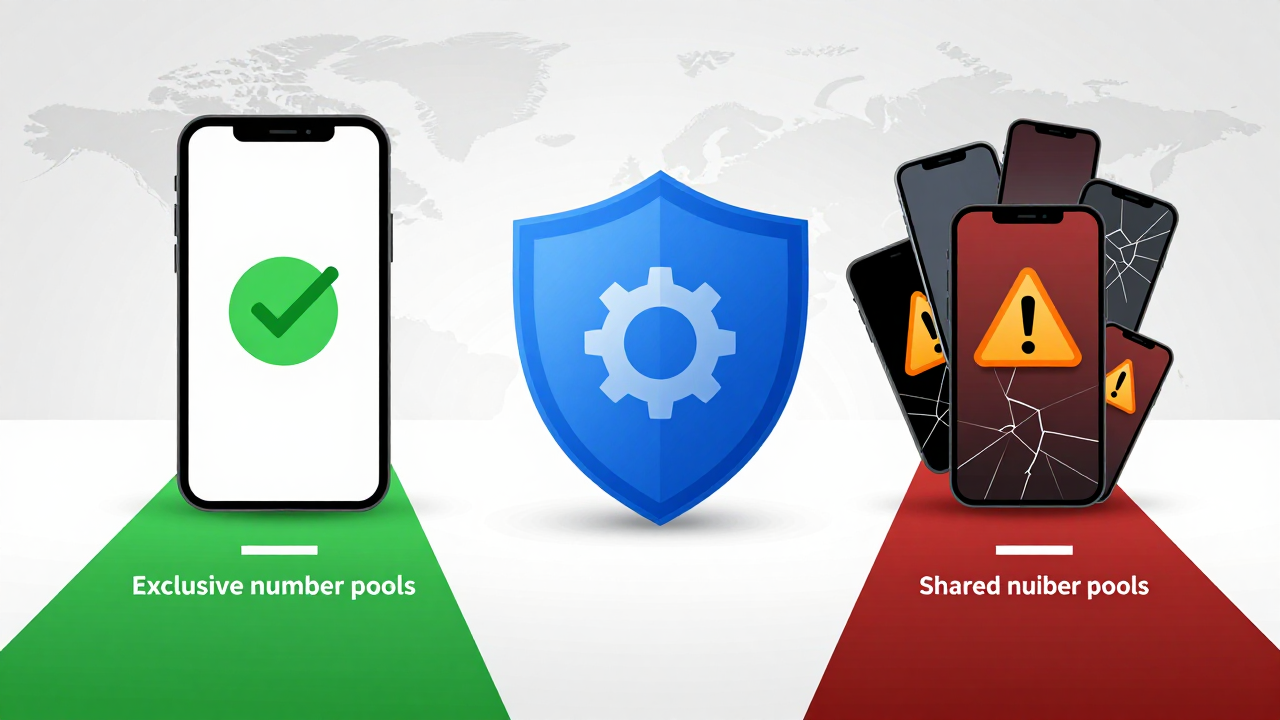
But here's what industry veterans know: those budget verification cards pull from shared number pools, meaning dozens of people cycle through the same numbers. Register an account with one of these, and you'll likely get flagged by platform risk controls within 24 hours. Worst case, your account gets banned outright. From my testing, WhatsApp accounts registered through shared number pools have a survival rate below 20%.
So the real question isn't "how to receive bulk SMS codes"—it's "what kind of codes you're receiving." Number pool cleanliness, exclusive access, and whether the carrier's region matches your target market are the details that actually determine success or failure.
Three Bulk SMS Sending Methods Compared
Currently, there are three mainstream approaches to bulk SMS sending. Here's a direct comparison to help you decide.
| Method | Core Mechanism | Cost Range (per message) | Best For |
|---|---|---|---|
| Direct API SMS Gateway | Purchase dedicated channels from licensed providers | $0.04–$0.11 | Verification codes and notifications requiring high delivery rates |
| Verification Platform + Custom Script | Platform provides number pool; you build scripts to call their API | $0.007–$0.03 | Bulk registration, account warming, low-cost testing |
| Device Farm Automation | Hardware and software simulating multiple device environments | High upfront cost, low marginal cost per message | Large-scale account matrix operations |
Cross-border operators consistently report that the first method is the most reliable but carries the highest cost. The third requires serious investment and suits teams with dedicated resources. The second—verification platforms—remains the go-to for solo operators, but it's also where the most pitfalls hide.
Here's a real example: a friend running a dropshipping store wanted to register multiple TikTok accounts for traffic. He paid triple the market rate for a platform claiming "exclusive numbers." Within a week, all 30 registered accounts got throttled. When he dug into the backend, the IP geolocation didn't match the device fingerprints at registration. He switched to a platform using "clean numbers + real device simulation," and survival rates finally climbed past 60%.
Choosing an SMS Verification Platform: 5 Make-or-Break Details
Don't choose a verification platform based on price alone. Based on industry consensus and years of hands-on observation, these five points need verification before you commit.
- Exclusive Number Pools: Shared pools get flagged fast. Confirm you're getting "one number per account" with no reissuing after registration.
- Carrier Region Matching: Targeting the US market with numbers from Southeast Asia triggers geographic risk controls. Choose platforms that let you filter numbers by target country.
- API Integration Support: Manually copying codes kills efficiency. Verify the platform offers a stable API for script-based batch processing.
- Number Lifespan: Some platforms retain numbers for only 24 hours; others support long-term holding. Account warming requires long-term retention.
- Responsive Support: During batch operations, numbers fail and codes get delayed. How fast the platform resolves issues directly impacts your workflow.
Platforms like Getfollow have built a solid reputation by following this exact playbook—country-specific number pools, API batch calling, and full number lifecycle management. That said, my advice is to run a small paid test with any provider before scaling up. Confirm their risk-control performance with real data first.
Compliance Red Lines and Lessons from Real Failures
Beginners often overlook a critical issue: is your message content itself compliant? Overseas penalties for spam SMS are severe. The US enforces CAN-SPAM, the EU has GDPR—get reported, and you're not just losing numbers; you could face substantial fines.
I've seen a cross-border e-commerce team register 500 WhatsApp accounts through a verification platform, then blast promotional links. Every account got banned the next day. Worse, their primary business account got linked and banned too, because WhatsApp's risk controls trace device fingerprints and payment information across accounts. That's the classic "penny wise, pound foolish" scenario.
The compliant approach is straightforward: obtain user consent before sending marketing messages. For cold outreach, keep sending frequency low—no more than 20 messages per number daily—and always include an opt-out option. Additionally, use local carrier lines whenever possible. Overseas users have extremely low trust in numbers starting with +86, which drags down both delivery and open rates.
A Proven Execution Workflow: From Verification to Sending
If you're committed to the verification-plus-bulk-sending route, here's a workflow I've tested extensively that delivers consistent results.
- Define Your Target Market: Your target country determines number pool selection and optimal sending windows.
- Test Number Quality in Small Batches: Purchase 10 numbers, register on your target platforms, and monitor survival rates and risk-control flags over 24 hours.
- Build Your Sending Script: Use Python or existing automation tools to integrate with the platform's API for automatic code reception and registration form filling.
- Control Your Sending Rhythm: Don't activate all numbers at once. Operate in batches with 2–3 hour gaps to simulate human behavior patterns.
- Monitor Metrics and Iterate: Track delivery rates, response rates, and ban rates per number. Review after two weeks and eliminate underperforming number pools.
The core philosophy here is "small steps, continuous optimization." Cross-border operators consistently find that your first two weeks of test data essentially determine your go-forward strategy. If survival rates stay below 50% during testing, switch platforms immediately—don't get attached.
Final Verdict: The Right Way to Handle Bulk SMS Verification
Back to the original question—how do you send bulk SMS with verification codes? The answer isn't a specific tool or platform. It's an operational strategy that balances efficiency with compliance. Number pool cleanliness, sending rhythm, and content compliance—all three are non-negotiable.
For short-term testing, shared number pools might get you by. But for long-term account matrices or marketing outreach, you need a provider offering exclusive numbers, API support, and manageable number lifecycles. Platforms like Getfollow have genuinely refined their approach to number purity and risk-control avoidance. Whether they're right for you ultimately comes down to your own test data.
One final piece of practical advice: test small before you commit long-term. Any provider promising "100% no bans" is not being honest with you. Keep testing costs under 10% of your budget and let data drive your decisions—that's how experienced cross-border operators operate.
Frequently Asked Questions
Is it legal to receive bulk SMS verification codes?
Receiving verification codes itself isn't illegal, but how you use the numbers and accounts matters. Using verification services to create fake accounts or send unsolicited marketing messages violates platform terms and may breach regulations like CAN-SPAM or GDPR. Always ensure your use case aligns with both platform policies and local laws.
Why do my WhatsApp accounts get banned after using verification codes?
WhatsApp's risk controls analyze behavioral patterns, not just registration data. Shared number pools, mismatched IP geolocation, inconsistent device fingerprints, and aggressive sending behavior all trigger bans. Using exclusive numbers from the correct region, maintaining realistic sending rhythms, and warming up accounts gradually are the most effective ways to reduce ban rates.
How much does it cost to send bulk SMS internationally?
Costs vary significantly by method. Direct API SMS gateways typically charge between $0.04 and $0.11 per message, while verification platforms offering number pools can cost as little as $0.007 per message. Device farm automation requires higher upfront investment but lower marginal costs per message. Your choice depends on delivery requirements and scale.
What is the best SMS verification platform for cross-border sellers?
There's no one-size-fits-all answer. The best platform depends on your target market, volume requirements, and budget. Look for providers offering exclusive number pools, country-specific filtering, API integration, and responsive support. Always run a small paid test—around 10 numbers—before committing to a long-term partnership.