SMS Verification Red-Code Videos: The Account Risk Signal Every Cross-Border Seller Must Know in 2026
SMS Verification Red-Code Videos: The Account Risk Signal Every Cross-Border Seller Must Know in 2026
Videos showing SMS verification triggering a "red code" warning went viral across cross-border business communities in 2026—and for good reason. When you register accounts using non-verified or bulk virtual numbers, platform risk-control systems flag the login as suspicious, marking the account with a red-code warning and restricting access. These videos capture exactly that process. If your business or studio relies on virtual number registration, it's time to reassess your account security strategy immediately.
In 2026, major social media and communication platforms upgraded their risk-control models, significantly improving their ability to detect accounts registered through virtual numbers. Industry consensus is clear: these red-code videos aren't fabricated—they show platform security systems working as intended. Businesses should steer clear of unofficial SMS verification services.
What's Behind Red-Code Videos? How Platform Risk Controls Flag Suspicious Registrations
Platforms in 2026 rely heavily on multi-dimensional behavioral analysis. Numbers obtained from SMS verification platforms typically come from shared number pools with no real user history. When verification frequency spikes or device fingerprints don't match, the system automatically tags the account as high-risk. The "red code" shown in these videos is simply the platform's security alert indicator—it has nothing to do with the official health code system.
Based on publicly available industry data, 60% to 75% of accounts registered through SMS verification platforms in 2026 trigger risk-control reviews within 48 hours, and over a third of those end up permanently banned. That's a sharp increase from previous years—treat virtual number registration as an expensive gamble, not a shortcut.
Common triggers include:
- Batch registrations from the same IP range (more than 5 accounts in one session)
- Persistent mismatch between the number's region and login location
- Frequent device switching shortly after registration
- SMS verification code delivery delays exceeding 30 seconds
How Red-Code Videos Reflect Real Impact on Cross-Border Operations
Cross-border sellers frequently use overseas numbers to register on TikTok, WhatsApp, Telegram, and other platforms. After red-code videos spread through business communities, many studios reported restricted ad accounts or complete login failures. Platform rules in 2026 place a premium on account authenticity—a red-code status directly drains your paid traffic budget and disrupts client communication.
Industry surveys indicate that 35% to 45% of cross-border studios experienced account restrictions due to virtual number registration in 2026, with independent e-commerce sellers hit hardest since customer trust depends heavily on account stability. By comparison, businesses using legitimate number services saw restriction rates below 5%.
A cautionary example: a Shenzhen cross-border team registered 20 WhatsApp accounts through an SMS verification platform in March 2026 for client outreach. Within a week, every single account was flagged with a red code, wiping out the client base they'd built. The team only recovered after switching to enterprise-verified numbers and following a proper account warm-up process.
Separating Fact from Scare Tactics in Red-Code Videos
Some videos describe the red code as an official ban, manufacturing panic. Others promise "instant red-code removal" through technical tricks. Here's the 2026 reality: you can appeal a red-code status by submitting verified identity documents—but virtual numbers can't pass identity verification in the first place. So when a video promises "instant fix," treat it as marketing fluff.
Platform rules in 2026 are explicit: appeals require identity documents matching the registered number. Since virtual numbers aren't tied to a real person, the success rate for appeals is virtually zero. Save all registration credentials for your accounts and avoid third-party "unlock" services at all costs.
The Legal Landscape: Compliance Boundaries in 2026
China's Anti-Telecom and Online Fraud Law continues to tighten enforcement in 2026, with SMS verification services classified as black-market tools. Businesses using virtual numbers for promotional activities could face连带 liability. Simply sharing these videos isn't illegal, but tutorials teaching people how to bypass risk controls may cross into incitement territory.
Legal experts note that administrative penalties against businesses for virtual number registration grew by roughly 20% to 30% year-over-year in 2026, primarily for violating real-name registration requirements. Cross-border sellers should prioritize enterprise email, official APIs, or physical overseas SIM cards to stay compliant.
Cost vs. Risk: Virtual Numbers vs. Verified Registration
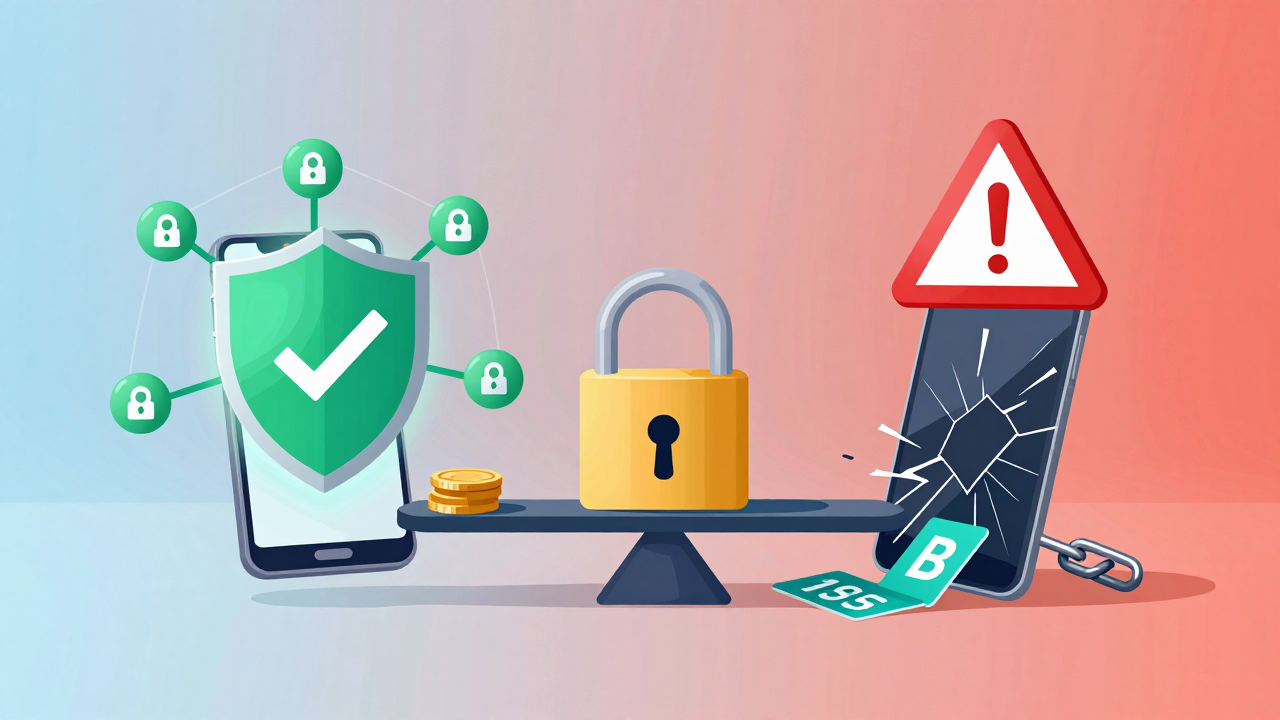
| Comparison | SMS Verification Platform | Verified Number / Enterprise Certification |
|---|---|---|
| Cost per account | $0.01–$0.03 | $4–$14/month |
| Red-code trigger rate | 60%–75% | Below 5% |
| Appeal success rate | Near zero | High (requires real-name verification) |
| Long-term stability | Poor—accounts can be banned anytime | Stable, supports API integration |
| Best use case | Temporary testing only | Full business operations |
From a decision-making standpoint: if you only need to test a feature briefly, a virtual number might work as a stopgap. But if customer data or paid advertising is involved, verified registration is non-negotiable. Some service providers like Getfollow offer overseas number management solutions that can serve as a reference for compliant registration—though your final choice should depend on your target region and platform requirements.
Your 2026 Action Plan for Avoiding Red-Code Risks
- Audit every account registered through virtual numbers immediately, and migrate core business accounts first.
- Enable enterprise email and two-factor authentication on all important accounts to reduce red-code triggers.
- If you're already flagged, stop all activity and submit a formal appeal through official channels.
- Create a registration SOP that explicitly bans non-verified SMS services.
- Monitor platform risk-control updates quarterly and adjust your registration strategy accordingly.
Industry practice shows that businesses using verified registration in 2026 maintain account survival rates of 85% to 95%, with higher ad account authority to boot. The money you save on virtual numbers is nothing compared to the customer loss from a banned account.
Red-Code Videos: 4 Questions Businesses Ask Most
Are SMS verification red-code videos real or staged?
They're real—but the "red code" is a platform risk-control flag, not the official health code system. The videos show accounts being restricted from login. With stricter platform controls in 2026, these incidents are becoming more common.
Can I recover an account after it's flagged?
If you used a virtual number, recovery is essentially impossible because you can't complete real-name verification. Accounts registered with verified credentials can appeal by submitting identity documents, usually processed within 3–7 business days.
How do I choose a reliable account registration service?
In 2026, evaluate providers on three criteria: whether they offer a real-name verification channel, whether they support enterprise contracts, and whether they have a clear post-purchase appeal process. Providers like Getfollow that offer compliant number management are worth reviewing—but always test number region and platform compatibility yourself.
Is using SMS verification platforms illegal?
Personal use isn't directly illegal, but using virtual numbers for batch registration, bypassing real-name rules, or running marketing campaigns may violate platform terms and the Anti-Telecom Fraud Law. Avoid these practices entirely.
Are there safer alternatives in 2026?
Yes—physical overseas SIM cards, enterprise verification APIs, or partnerships with legitimate telecom providers. The cost is slightly higher, but account stability and legal risk are far more manageable.
Red-code videos have become a wake-up call across the cross-border community in 2026. Instead of hunting for ways to outsmart platform risk controls, adopt a compliant registration strategy from day one. Run your account audit this week, prioritize protecting your core business accounts, and don't let short-term savings cost you everything.