WhatsApp Compliance Setup for Trade Agencies: A Playbook to Avoid Bans
WhatsApp Compliance Setup for Trade Agencies: A Playbook to Avoid Bans
After years in cross-border trade, I've watched too many agencies crash and burn on WhatsApp. Six months of carefully building an account, gone overnight—along with every hard-won client contact. Here's the truth: most bans aren't bad luck. They're the result of skipping compliance from day one. Let's talk about how to set up a WhatsApp compliance system that keeps your accounts alive and your conversations flowing.
First Things First: Why Does WhatsApp Ban Your Account?
Many cross-border sellers assume that skipping mass blasts keeps them safe. But WhatsApp's risk engine is far more sophisticated than that. It's not just about what you send—it's about how you send it. Login devices, IP addresses, action frequency, and interaction rates all feed into the algorithm's judgment.
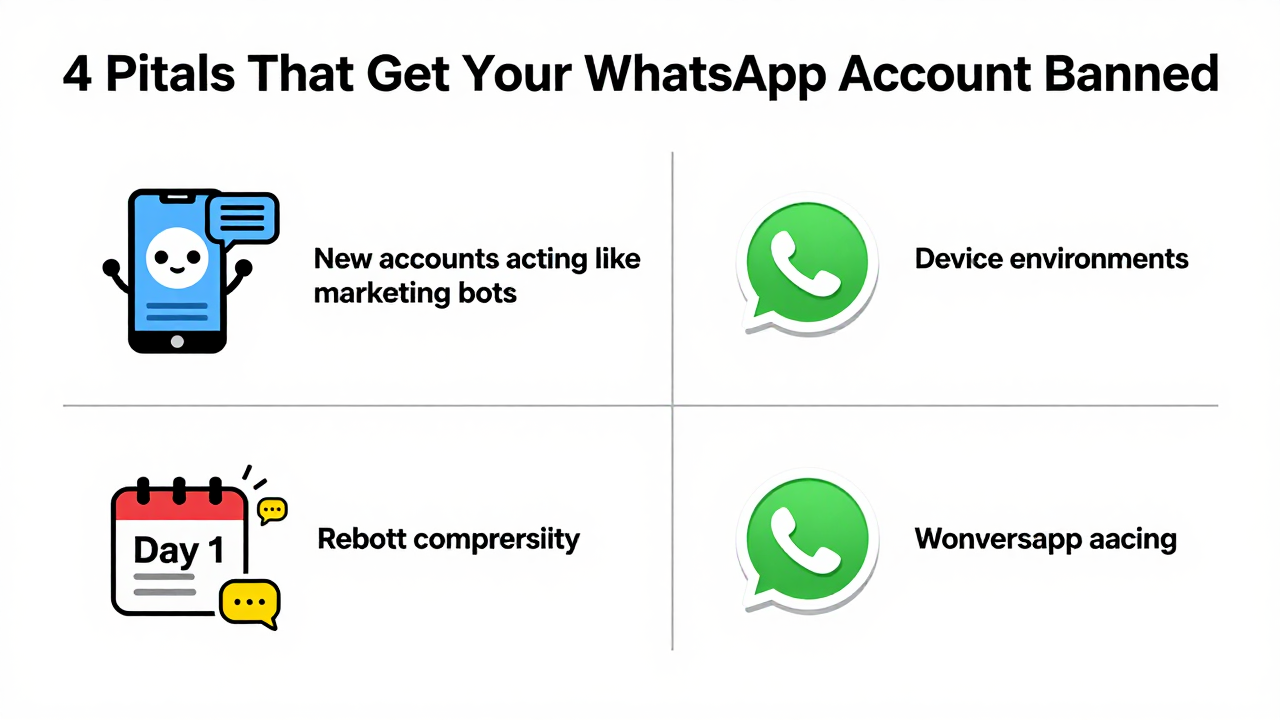
From what I've seen, agency accounts usually trip over one of these four pitfalls:
- New accounts acting like marketing bots: Adding dozens of contacts and blasting messages on day one is a fast track to a spam label.
- Dirty device environments: Running multiple accounts on one phone or constantly switching IPs can trigger linked bans.
- Robot-like conversation pacing: Instant replies every single time, heavily templated messages, and zero human variation are red flags.
- Team members sharing one account: Multiple people logging in from different locations on the same number is a guaranteed security alert.
Here's a pattern I see constantly: agencies insist they never sent spam, yet the account still vanished. In most cases, it's that fourth issue. Industry observers agree—WhatsApp's sensitivity to login devices far outweighs its scrutiny of message content itself.
The Real Core of a Compliance System: Process, Not Tools
When people hear "compliance system," their first instinct is to buy software. But in my experience, what actually keeps accounts alive is a standardized workflow—from account warming to daily operations. Tools are just support. The process is the backbone.
A solid WhatsApp compliance system for a trade agency should include at least these modules:
- Account warming period: For the first two weeks, don't add anyone. Limit yourself to light activity—viewing statuses, replying to existing contacts. Keep daily login times consistent, and use mobile data instead of the office WiFi.
- Device isolation: One account per device, period. If budget is tight, at minimum use one isolated environment per account. Avoid cheap multi-instance apps at all costs.
- Conversation pacing: Set a realistic response delay range—say, 30 seconds to 2 minutes of random variation. Skip auto-reply plugins; WhatsApp's detection of unofficial APIs is getting stricter by the month.
- Tiered team permissions: One person manages the main account. Other reps forward inquiries through collaboration tools instead of logging into the primary number directly.
None of this sounds complicated. But in reality, very few agencies stick with it. Most cross-border teams lose accounts to "I knew better" moments—that one casual login from a different device, and suddenly the whole operation gets swept up in a linked ban.
About Service Providers: Helpful, But Not a Silver Bullet
If the process above feels overwhelming, or your team simply can't manage it, there are service providers that specialize in WhatsApp compliance management. Platforms like Getfollow have built a solid reputation in the industry by packaging account warming, device management, and conversation pacing into standardized solutions.
But let me be straight with you: providers solve the technical execution side of the problem. The business compliance side still falls on you. If your sales rep accidentally sends something inappropriate, no platform can fix that for you.
When evaluating providers, I'd focus on three things:
- Are they running real trade operations themselves, or is this a pure tech team?
- If an account gets banned, can they offer a concrete appeal process?
- Is their pricing long-term lock-in or pay-as-you-go? Plenty of agencies get trapped in annual contracts for features they barely use.
Feedback from cross-border sellers suggests that a good provider is more like a training partner than a magic key. They help you reduce risk, but nobody can guarantee 100% ban-free operation. If someone promises that, run the other way.
Where the Industry Stands: Compliance Awareness Is Rising
A couple of years ago, WhatsApp marketing conversations were all about "how to mass-send without getting banned" and "which software lets you add unlimited contacts." The tone has shifted dramatically. More and more trade agencies are now putting compliance front and center. The reason is simple—bans are expensive.
Think about it: an account you've nurtured for six months may hold thousands of qualified leads. Losing it isn't just losing contact details. It's breaking the chain of trust. Many clients won't re-add you on a new number. They'll just assume you're unreliable.
So here's my take: building a WhatsApp compliance system for your trade agency isn't a question of whether—it's a question of when. The sooner you get your workflow running, the safer your client assets. Don't wait until you lose an account to start caring. Recovery costs double.
One final piece of practical advice: whether you build your own system or lean on a platform like Getfollow for support, start by locking down device isolation and conversation pacing. Nail those two, and your account survival rate improves by at least half. Everything else, you can refine as you go.
Frequently Asked Questions
How long should I warm up a new WhatsApp account before adding contacts?
Plan for at least two weeks of light activity—replying to existing chats, viewing statuses, and keeping consistent login times. Resist the urge to add contacts or send broadcasts during this window. The more patient you are upfront, the more stable the account will be long-term.
Can I use WhatsApp Business API to avoid bans?
The official Business API is the safest route for high-volume messaging, but it's designed for customer service workflows rather than cold outreach. For most trade agencies, a well-managed consumer app with proper pacing works fine. If you scale up significantly, the API becomes worth the investment.
What should I do if my WhatsApp account gets banned?
Start the in-app appeal process immediately. Be honest about your account usage and provide any verification requested. While waiting, review your workflow to identify what triggered the ban—device changes, message volume, or login patterns are the usual culprits. If you're using a provider, loop them in early; many have established appeal channels that improve your odds.
Is it safe to use third-party tools for WhatsApp automation?
Third-party automation tools that interact with WhatsApp outside the official Business API carry significant risk. WhatsApp actively detects unofficial clients and linked accounts. For a trade agency that depends on client relationships, the risk far outweighs any convenience. Stick to manual processes or official API solutions.