SMS Verification Services: The Compliance Trap Cross-Border Businesses Can't Ignore
SMS Verification Services: The Compliance Trap Cross-Border Businesses Can't Ignore
If you run an e-commerce operation or manage overseas social media accounts, you've hit the same wall: verification codes that never arrive when you're registering foreign accounts. Buying physical SIM cards is expensive and a logistical headache, which is why SMS verification services have become the go-to workaround. But here's the honest truth—this industry is full of traps. I've watched too many people lose entire batches of accounts because they picked the wrong provider, watching their upfront investment go up in smoke.
Before You Buy: Understanding How SMS Verification Services Actually Work
An SMS verification service essentially provides a temporary, virtual phone number to receive confirmation codes. Sounds simple, but the underlying business models vary wildly—and that difference directly determines whether your accounts survive or get flagged. Right now, the market splits into two camps: shared number pools, where one number is used by multiple users simultaneously (cheap but notoriously unstable), and dedicated numbers, where one number serves a single account (costlier but significantly safer).
Cross-border operators consistently report the same pattern: they pick a budget option with shared numbers, register successfully, and then get hit with a login anomaly alert the very next day—or worse, an outright ban. That's not bad luck. It's a provider whose risk-control infrastructure didn't keep up. Numbers in shared pools have often been used to register dozens of accounts already, and platform fraud detection systems have long since flagged them as high-risk.
Industry Reality: The Line Between Legitimate and Gray Is Blurrier Than You Think
Let's be clear: SMS verification services aren't inherently illegal. They're a niche within telecommunications services. But in practice, they're frequently used for bulk account registration, account farming, and promo abuse—and that association casts a shadow over the entire sector. Reputable providers are actively trying to shake off that reputation through measures like real-name verification and restricting use cases, but the impact is limited.
From my experience observing this space, the platforms that survive more than three years aren't the ones with the best technology—they're the ones with the most conservative risk-control policies. They'd rather lose customers than sell numbers to users who are clearly registering accounts in bulk. This "turning away money" approach might seem counterintuitive, but it keeps their number quality high, and their long-term customer retention ends up being stronger as a result.
A Cautionary Tale: The Domino Effect of One "Cheap" Number
A friend of mine running a dropshipping store decided to cut costs. He bought a batch of numbers from a low-cost platform to register TikTok accounts for traffic generation. Within a week, all dozens of accounts were banned. The bigger headache? His PayPal account—the one he used for payments and linking—got pulled into a related review. When he dug into what went wrong, the root cause traced back to the SMS verification step: the numbers' registered locations didn't match his actual login IPs, which triggered the platform's risk model.
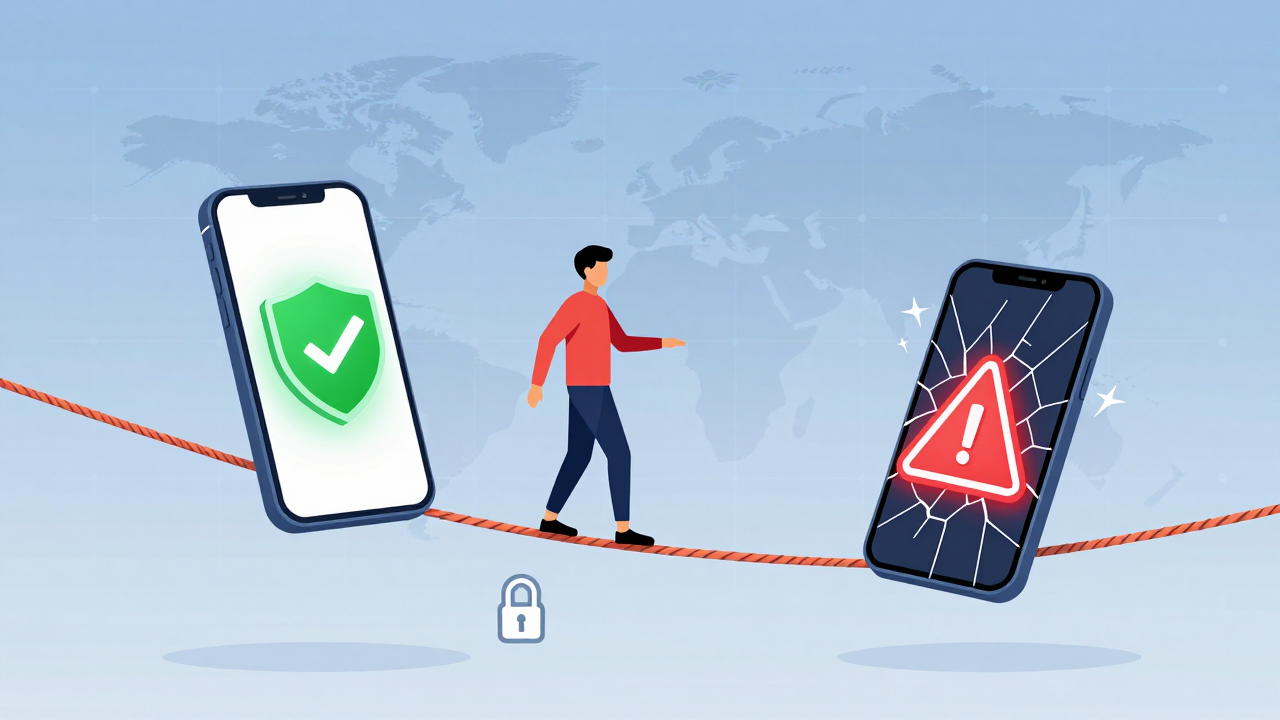
This story should be a wake-up call for anyone in cross-border business. An SMS verification service isn't an isolated tool—it operates in tandem with your network environment, device fingerprint, and behavior patterns. A vulnerability in any single link can trigger a chain reaction. That's why I keep saying that choosing a verification provider is really about choosing a compliance and risk-management solution, not just buying a number.
How to Tell If an SMS Verification Service Is Reliable: 3 Key Checks
First, check number location accuracy. Many platforms claim to offer global numbers, but the numbers they actually assign might not match your target market at all. Say you're focused on the U.S. market but get assigned a number from Nigeria—registration might go through fine, but you're likely to run into problems during subsequent risk-control reviews.
Second, check whether the platform enforces a cooldown period after number release. Reliable providers build in a "quiet period" after a number is released, ensuring it isn't immediately reassigned to the next user. This dramatically reduces the risk of cross-account association from number reuse. In my experience, platforms like Getfollow have built a solid reputation by following this compliance-first approach. The pricing is a bit higher, but it saves you a lot of headaches over the long run.
Third, evaluate customer support responsiveness and problem-solving attitude. During the verification process, you will inevitably run into issues—codes not arriving, delays, and so on. This is where a provider's professionalism shows. Many small platforms go silent when problems arise or simply block users. Stay away from providers like that, no matter how cheap they are.
Risk Alert: What Else Are You Paying for Beyond Banned Accounts?
Account security isn't the only concern. SMS verification services also introduce data privacy risks. The numbers you use for registration and the verification data generated during the process all pass through the provider's servers. If their data protection measures are inadequate, that information can be leaked—or worse, repurposed for illegal activities.
Retention rate is another metric worth tracking. Industry observers note that high-quality verification numbers typically deliver account retention rates between 60% and 80% within 30 days of registration. Low-quality shared numbers? Retention can fall below 30%. Many operators only pay attention to the success rate at registration and overlook what happens afterward—and that oversight can wipe out all their initial investment.
My advice for everyone—whether you're a business or a solo operator—is to run a small-scale test before committing to bulk usage. Grab three to five numbers, walk through the complete registration, login, and usage flow, and monitor the data for about a week. If you see anomalies during the test phase, it's time to walk away from that provider. Test small first, then scale up. That's the safest approach and the most responsible way to protect your business.
An SMS verification service is a supporting tool for cross-border operations—not a core competitive advantage. Instead of obsessing over finding the "perfect" verification solution, invest that energy into understanding your target market's needs and refining your content strategy. Pick a stable, compliant tool, and leave the rest of your time for the things that actually drive growth.
Frequently Asked Questions
Are SMS verification services legal?
Yes, they operate in a legitimate niche within telecommunications. However, how you use them matters. Using them for legitimate account registration is generally fine, while using them for bulk account creation or fraudulent activities can violate platform terms and even local regulations.
Why did my accounts get banned after using an SMS verification service?
The most common cause is shared number pools. If a number has been used to register multiple accounts, platform risk-control systems will flag it. Location mismatches between the number and your actual IP address can also trigger bans.
What's the difference between shared and dedicated numbers?
Shared numbers are used by multiple users simultaneously—they're cheaper but carry higher ban risk. Dedicated numbers serve only one account, cost more, but offer significantly better security and stability.
How can I test an SMS verification service before committing?
Start with a small batch of three to five numbers. Complete the full registration and login flow, then monitor account behavior for about a week. If anything looks abnormal during that period, switch providers.