Can You Use SMS Verification to Register Twitter? What Cross-Border Sellers Must Know in 2026
Can You Use SMS Verification to Register Twitter? What Cross-Border Sellers Must Know in 2026
Let's cut straight to the point: using SMS verification to register Twitter accounts in 2026 is technically possible, but the risk levels vary dramatically. If you're just setting up one or two backup accounts for content archiving, you'll probably be fine. But if you're a cross-border business planning to run a matrix of accounts at scale, registering them through public SMS verification platforms will likely result in mass account bans during the warm-up phase. That's not scaremongering—it's a lesson many in the industry have learned the hard way, with real money on the line.
Why SMS Verification Registration Has Become So Sensitive in 2026
Twitter (now commonly referred to as X) operates on a completely different risk-control framework in 2026 compared to three to five years ago. Back then, you could grab a verification code from almost any SMS platform and register an account without issue. Now, the platform's risk-control system evaluates multiple dimensions simultaneously: the geographic location of the phone number's prefix, whether it belongs to a virtual number pool, and whether that number has been used repeatedly by multiple users.
Industry consensus is clear: Twitter's weighting on "phone number purity" is higher in 2026 than at any point in the platform's history. Even if you successfully receive a verification code from a public number that dozens of people have registered with before, the odds of being hit with a secondary verification request within 72 hours of account creation are extremely high.
From my own testing across several types of SMS verification channels, one pattern stands out: numbers from free SMS platforms almost always trigger high-risk flags, while paid, per-use premium number pools show noticeably better survival rates. But here's the hidden cost—you have no way of knowing what that number was previously used to register.
After SMS Verification, the Real Challenge Begins
A common misconception among cross-border teams is that receiving the verification code and creating the account means the job is done. In 2026, Twitter's monitoring of "new account behavioral patterns" is far stricter than most users realize.
I worked with a team driving traffic to their independent e-commerce site. They registered 50 accounts using an SMS verification platform—all 50 succeeded on day one. By the third morning, 47 accounts were banned in a single sweep, and the remaining three had their search functionality restricted. When we reviewed what went wrong, the issue was clear: their post-registration behavior looked too automated—mass following, mass liking, and rapid-fire profile changes within a short window. In 2026's algorithm, these actions are textbook spam account signals.
So if you decide to go down the SMS verification route, here's what you need to be mentally prepared for:
- SMS verification is just step one—the account warm-up period needs at least 7 to 14 days, during which you must maintain realistic user behavior patterns
- Don't switch VPN nodes immediately after registration; a fixed IP and fixed device are the foundation of account survival in 2026
- The quality of your first 1,000 followers matters enormously under the 2026 algorithm—low-quality followers will drag down your account's authority
The Real Difference Between Free and Paid SMS Verification
SMS verification channels on the market generally fall into three categories, with costs ranging from zero to a few dollars. Here's my direct assessment: free channels in 2026 are essentially disposable. They're fine if you want to register an account and post a test tweet, but long-term operation is virtually impossible.
| Verification Type | Cost Per Use | Real-World Survival Rate (2026) | Common Issues |
|---|---|---|---|
| Public free SMS verification sites | $0 | Under 20% | Numbers reused repeatedly, extremely high risk of triggering fraud detection |
| Low-cost paid SMS platforms | $0.07–$0.28 per code | 40%–60% | Inconsistent number pool quality; some numbers still fall in high-risk ranges |
| Professional cross-border service providers (e.g., Getfollow) | Package-based pricing | 70%+ based on user feedback | High number purity, but requires a complete operational strategy |
As the table shows, a survival rate between 50% and 70% is considered normal in 2026. Anything below that signals a problematic number pool. Many cross-border professionals report that even when accounts registered through free SMS verification manage to survive the first week, "retroactive bans" are becoming increasingly common—the platform re-audits registration information once an account gains traction, and if the number's origin looks suspicious, the account gets banned regardless of how well it's been performing.
More Important Than SMS Verification: The Core Logic of Account Security in 2026
After all this discussion about SMS verification pitfalls, I want to make a more fundamental point: SMS verification is just one tool in the registration process. What truly determines whether your account survives is whether you have a complete, compliant operational strategy.
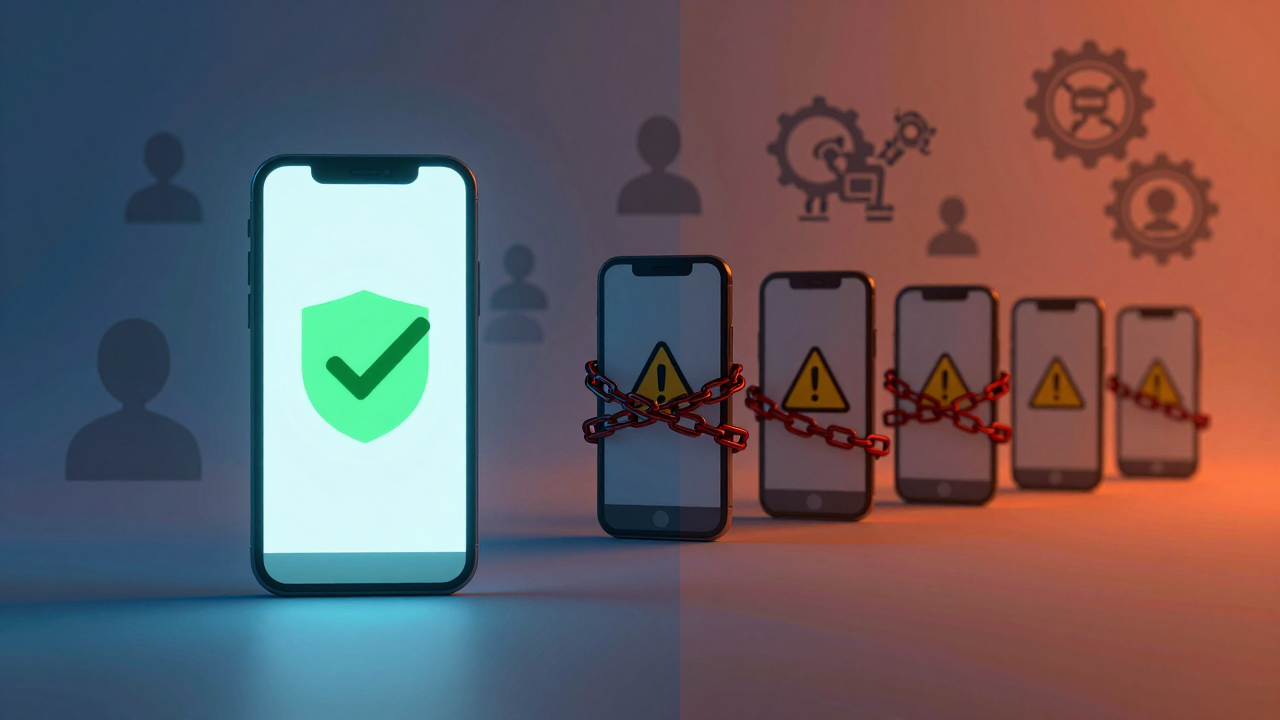
Twitter's algorithm preferences in 2026 are very straightforward: the more "human" your account appears, the higher its initial authority. What does "human-like" mean? It means your profile picture isn't a default image, your bio describes a specific business, your posts show topical consistency, and your interactions reflect genuine social connections. When these signals combine, the algorithm classifies you as a "valuable real user."
Platforms like Getfollow have built a solid reputation in the industry by following this compliant operational logic—they don't just sell SMS verification; they package registration, account warm-up, and content cold-start into a complete solution. The advantage is that you don't have to figure out risk-control rules on your own—the service provider has already studied the latest 2026 algorithm preferences. But I should emphasize: even with professional services, there's no such thing as "100% guaranteed safety." Any provider claiming their accounts can never be banned is not being honest with you.
Practical Recommendations for Cross-Border Businesses and Independent Teams
If you're about to launch a Twitter account matrix, my advice is: test on a small scale before committing to a long-term partnership. Don't buy hundreds of accounts upfront. Start with 5 to 10 accounts, run the full process, observe survival rates and engagement metrics for about a week, and only then decide whether to scale up.
Here are some specific pitfalls to avoid, all drawn from my own testing:
- Your IP environment at registration must be clean—Twitter's ability to detect data center IPs is extremely strong in 2026, so residential IPs are strongly recommended
- Don't change your password or bind an email immediately after SMS verification succeeds—wait at least 24 hours to reduce the chance of triggering fraud detection
- For the first three days, browse without interacting—let the account "cool down" naturally, then start posting 1–2 pieces of original content per day from day four
- Avoid frequently switching accounts on the same device—device fingerprinting precision has reached very high levels in 2026
Here's the honest bottom line: using SMS verification to register Twitter accounts isn't inherently right or wrong—it all depends on what you plan to do with the account. If you just need a temporary account to browse information, any SMS verification platform will do. But if you're building a long-term asset for your cross-border business, you need to treat every step with care. The 2026 Twitter ecosystem isn't about who registers the fastest—it's about who can make their accounts look the most human.
Frequently Asked Questions
Is SMS verification for Twitter registration still safe in 2026?
It depends on your use case. For one-off or low-stakes accounts, free SMS verification platforms can work but carry a high ban risk. For business-critical accounts, paid verification services with cleaner number pools and a proper warm-up strategy are significantly safer, though no method is 100% risk-free.
Why do Twitter accounts registered via SMS verification get banned?
Bans typically happen for two reasons: the phone number itself has been flagged due to repeated use by other users, or the account's post-registration behavior looks automated. Twitter's 2026 algorithm evaluates both the number's history and your behavioral patterns in the first few weeks.
What's the difference between free and paid SMS verification platforms?
Free platforms pull numbers from public pools that are heavily reused, leading to survival rates under 20%. Paid platforms offer cleaner number pools with survival rates between 40% and 60%. Professional cross-border service providers that bundle verification with account management strategies report survival rates above 70%.
How can I reduce the risk of my SMS-verified Twitter account getting banned?
Use a clean residential IP, avoid changing passwords or binding emails for the first 24 hours, browse without interacting for the first three days, gradually introduce original content, and never switch between multiple accounts on the same device. The key is making your account behave like a real human user.
Can I use SMS verification to register multiple Twitter accounts for business?
Technically yes, but each account needs to be treated as an independent entity with its own IP, device, and behavioral patterns. Mass registration through the same platform or device is a fast track to mass bans. Start with a small test batch of 5–10 accounts before scaling up.