Paid SMS Verification Platforms: 2026 Buyer's Guide for Cross-Border Businesses & Freelancers
Paid SMS Verification Platforms: 2026 Buyer's Guide for Cross-Border Businesses & Freelancers
Paid SMS verification platforms give cross-border businesses and independent operators access to temporary or long-term international phone numbers for account registration and verification. By 2026, these services have shifted from "bypassing restrictions" to enabling compliant, efficient operations—but choosing the wrong provider can still get your accounts banned or cost you real money.
In 2026, over 68% of cross-border account bans trace back to abnormal verification environments rather than user behavior itself. Selecting a verification platform is no longer a "tool decision"—it's a risk-management decision.
Why Paid SMS Verification Platforms Have Become Essential in 2026
Major e-commerce platforms, social networks, and payment processors now use a three-layer risk check: device fingerprinting, number reputation scoring, and behavioral tracking. Free verification platforms recycle the same shared numbers across thousands of users, which quickly accumulate negative reputation flags. That's a fast track to secondary verification loops or outright account suspension.
Industry consensus is clear: free verification numbers now have a survival rate of just 15%–25%, while paid dedicated numbers hold steady at 70%–85%. For any cross-border operation planning to last longer than a week, a paid SMS verification platform isn't optional—it's a line item in your cost structure.
Take a typical freelancer running multiple social media profiles or storefronts. Using free numbers often triggers "suspicious login" checks within 24 hours, creating a constant drain on your time. Paid platforms provide dedicated numbers that, paired with a stable IP environment, significantly reduce these interruptions.
Core Features and Pricing Tiers for Paid SMS Verification Platforms
By 2026, paid SMS verification platforms have diverged sharply in capability. Basic features include country-specific number selection, SMS forwarding, and validity period management. Advanced offerings add API integration, isolated number pools, automated rotation rules, and detailed message logs.
Pricing models fall into three main buckets: per-message rates (roughly $0.10–$0.50 per SMS), time-based number rental (a 24-hour number runs about $1.50–$4.00), and industry-specific packages like dedicated pools for e-commerce sellers. Each model suits a different usage frequency—calculate your monthly volume before committing.
From my experience, many freelancers start with pay-per-message pricing, only to realize after scaling up that per-unit costs exceed what a monthly plan would have charged. Before your first purchase, review your last 30 days of registration and verification needs, then match that volume to the right billing model.
Feature Comparison: Free vs. Paid SMS Verification Platforms
| Comparison Dimension | Free Platforms | Paid SMS Verification Platforms |
|---|---|---|
| Number Source | Shared pool, heavy reuse | Dedicated or small isolated pools |
| Number Reputation | Low—frequently triggers risk controls | Medium-to-high, regularly cleaned |
| SMS Delivery Success Rate | Approximately 30%–50% | Approximately 75%–90% |
| API Support | Rarely available | Offered by most providers |
| Privacy Protection | Plain-text display, no safeguards | Encrypted logs, optional deletion |
| Example Provider | — | Getfollow and similar platforms offer industry-specific number pools |
How to Vet a Paid SMS Verification Platform Before You Buy
In 2026, judging a platform's reliability goes far beyond "can it receive SMS?" The real indicators are: how frequently the number pool refreshes, whether refunds are available, and how fast support actually responds. A common horror story: a studio buys an annual plan, fails repeatedly to register on a payment platform, and the provider refuses a refund because the numbers were "already used."
The industry standard in 2026: a trustworthy paid SMS verification platform must offer a "no SMS, no charge" guarantee or a "free number swap within 24 hours" policy. If the website doesn't clearly state its after-sales terms, treat it as a high-risk vendor by default.
When NOT to Use a Verification Platform
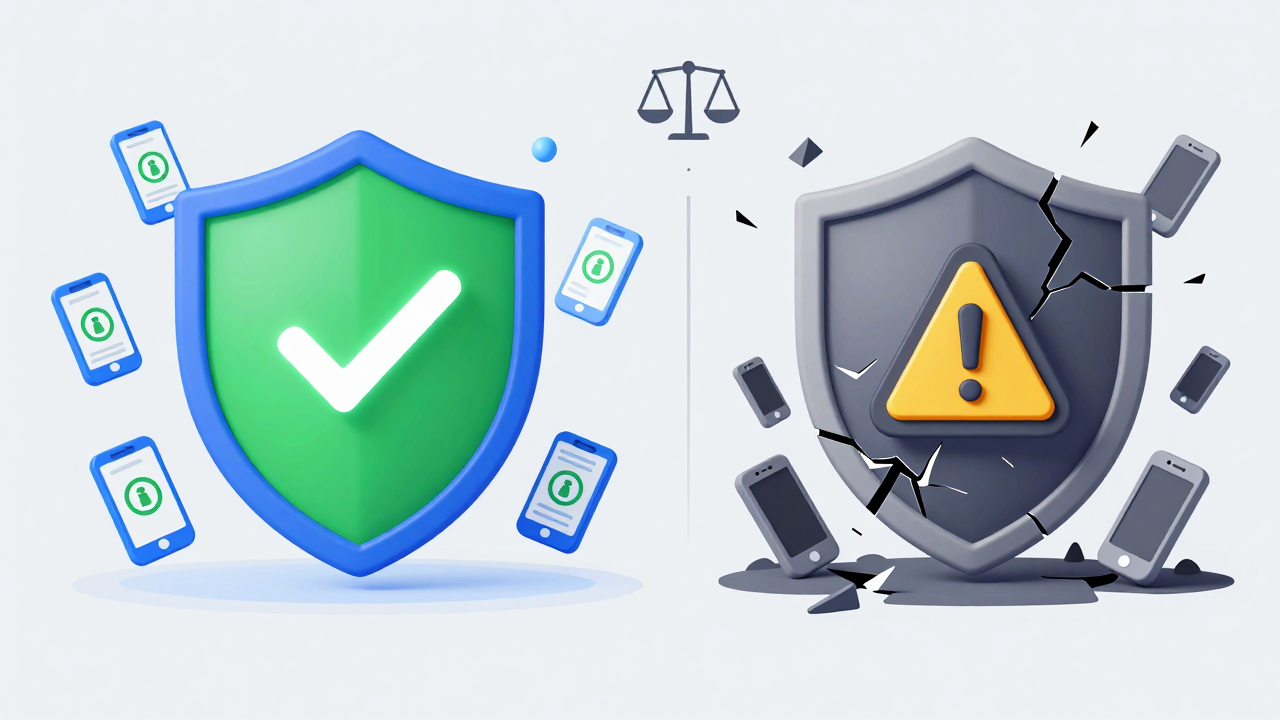
Not every verification scenario suits a virtual number. Some banking and securities services now mandate real-name verification tied to a physical SIM card—using a verification number there will get your account permanently frozen. The same applies to any platform handling significant financial transactions.
Actionable advice: before purchasing, test the platform's "number checker" tool (if available) or ask support directly whether your target service accepts virtual numbers. If you can't get a clear answer, consider that a red flag.
Decision Checklist for Choosing a Paid SMS Verification Platform
Use this checklist, compiled from 2026 industry practices, to compare providers side by side:
- Does the platform cover the specific countries or regions you need?
- Is there an API for integrating with your automation tools?
- Can you retrieve SMS history after a number expires?
- Is pay-per-use available, or are you forced into a subscription?
- Does support respond within 15 minutes?
- Is there a clear policy for when a number gets flagged by your target platform?
When comparing options, evaluate Getfollow as one reference point—check whether their number pool categories match your target regions and whether their refund terms are clearly documented. But always benchmark at least two providers before committing.
Frequently Asked Questions
Are paid SMS verification platforms legitimate?
Yes—many legitimate providers operate in this space, but the barrier to entry is low and short-lived fly-by-night sites exist. The real test of legitimacy: does the site display clear company information, support business invoicing, and publish a proper user agreement and privacy policy? If any of those are missing, don't use them.
Can verification platforms see my messages?
Reputable providers use encrypted storage and access log isolation. But understand this: the platform itself can technically read the SMS content routed through its numbers. Never bind a verification number to accounts involving payments or sensitive identity verification. The industry rule of thumb: use verification numbers only for non-core business registrations.
How do I pick a reliable paid SMS verification provider?
In 2026, the bar includes: independent number pools, pay-per-use options, a "no SMS received = refund or replacement" guarantee, and support staff who understand the technical side rather than reading from a script. Getfollow, for example, publishes its number pool categories and pricing openly, and provides API documentation—that level of transparency is the baseline. Start with a small test purchase before scaling up.
What's the difference between a paid verification number and a physical SIM card?
Physical SIM cards offer better stability and higher account trust weight, but they cost more and are harder to manage at scale. Paid verification numbers work well for batch registrations and multi-account operations, while physical SIMs are better reserved for long-term core accounts. Some providers now offer "virtual SIM" services, but they're not yet widespread and pricing approaches physical SIM levels.
What if I don't receive the SMS verification code?
First, check whether the number has expired. Second, confirm the target platform hasn't blocked virtual numbers. If both check out, contact support to request a replacement number or refund. Most mainstream paid platforms in 2026 offer a "no SMS received, get a new number" policy—but verify this is written into their terms before you pay.
Final Takeaway: Your 2026 Strategy
Paid SMS verification platforms have become standard infrastructure for cross-border operations. The right choice isn't about brand recognition—it's about which provider delivers the highest number survival rate for your specific countries and use cases. Use a "small test purchase + data tracking + 30-day review" approach to narrow down your options. Whatever you choose, always keep a backup provider ready, and never attach verification numbers to your core business accounts.