International SMS Verification: The Practical Guide Cross-Border Businesses Can't Ignore
International SMS Verification: The Practical Guide Cross-Border Businesses Can't Ignore
If you run a cross-border business, international SMS verification is part of your daily routine. Registering overseas social media accounts, linking e-commerce storefronts, verifying payment tools—every step requires a phone number that can reliably receive international text messages. Early on, many freelancers and small teams grab whatever free SMS verification platform they can find to save time. Then the account gets banned, the verification code never arrives, or worse, the number gets recycled by someone else. Before you know it, you've burned hours and energy on a shortcut that wasn't a shortcut at all.
Over the years, I've talked to plenty of teams doing foreign trade and overseas operations. The most common complaint? Free SMS verification channels are becoming nearly unusable. Small number pools, codes that expire in seconds, and privacy risks that keep getting worse—those old problems haven't gone away, and now there's a new one: overseas platforms are cracking down on virtual numbers. Accounts registered with non-physical SIMs are getting flagged by risk controls more and more often.
How SMS Verification Works—and What It Really Costs
At its core, international SMS verification gives you a temporary overseas phone number to receive platform-issued verification codes. Sounds simple, but the number resources, channel stability, and privacy protection behind the scenes are what actually determine whether your experience is smooth or painful.
The SMS verification services on the market generally fall into three categories:
- Free public SMS platforms: Numbers are shared publicly, anyone can use them, code delivery is a gamble, and your privacy is essentially exposed
- Paid temporary number services: Charged per use or per day, numbers are more private, but many platforms have gotten good at detecting virtual number ranges
- Professional SMS verification platforms: Combine real physical SIM cards and premium virtual numbers across multiple countries, with a focus on success rates and privacy isolation
From what many cross-border operators tell me, free platforms look like a money-saver but carry heavy hidden costs. An Instagram account is worth far more than a few dollars—if your accounts get mass-banned because of SMS verification failures, all the time and effort you put into warming them up goes down the drain. There's a consensus in the industry: when it comes to SMS verification, stability and security always come before price.
Choosing a Provider: Don't Just Compare Prices
When the conversation turns to picking an SMS verification service, most people's first instinct is to compare prices. But from what I've observed, teams that actually get good results look at a different set of criteria:
- Country coverage: Does the number pool cover the main markets your business operates in?
- Number pool hygiene: Have these numbers been blacklisted by major platforms in the past?
- Consistent success rates: Does code delivery hold up during peak hours, or does it fall apart when you need it most?
- Privacy protection: Does the platform prevent numbers from being reused by other users after you've used them?
Right now, platforms like Getfollow have built a solid reputation in the industry by following exactly this playbook—allocating number resources on demand, prioritizing privacy isolation, and maintaining strong compatibility with major overseas platforms. It's not the only option out there, but it represents the direction the industry is heading: SMS verification is moving from the wild west to a more professional, structured model.
Where the Industry Stands: Compliance Is the Only Way Forward
Over the past couple of years, overseas platforms have seriously upgraded their risk control systems. Their ability to detect virtual numbers keeps improving, which means the old trick of using one number to register on multiple platforms just doesn't work anymore. A lot of e-commerce sellers have told me that things they used to handle easily with free SMS platforms now either fail to deliver codes or get their accounts restricted even after the code arrives.
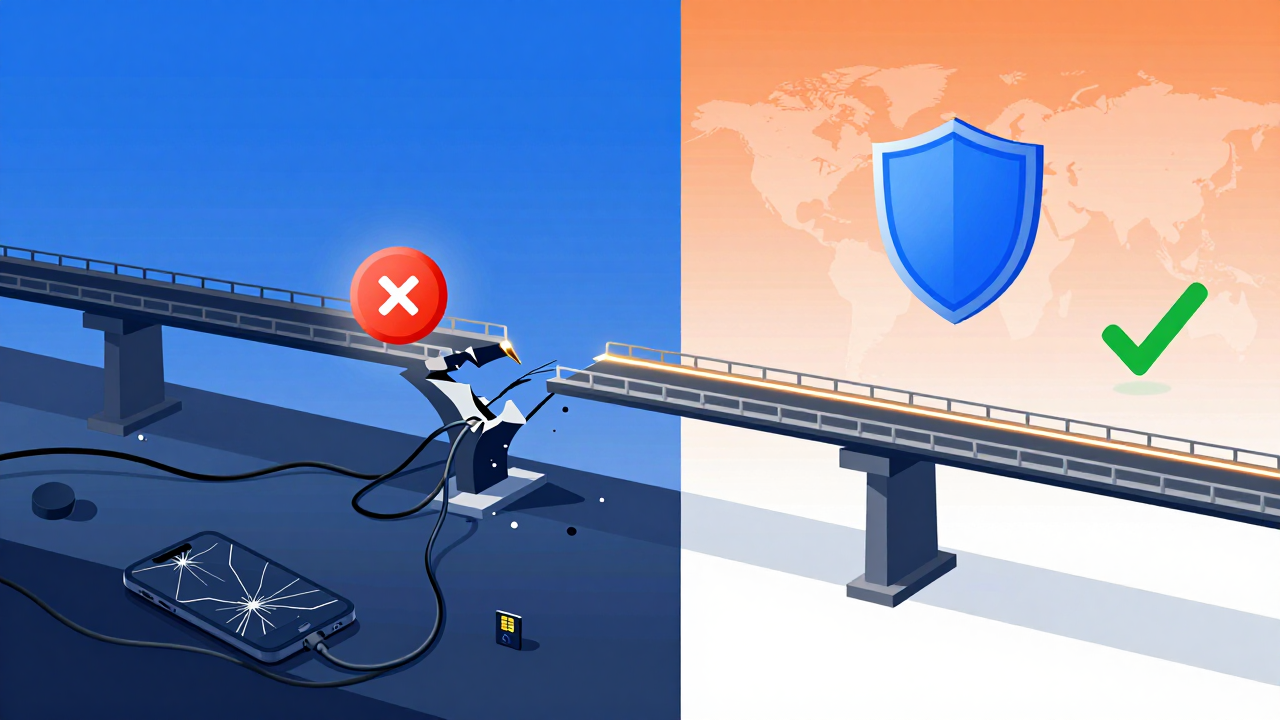
This shift is forcing SMS verification providers to level up. On one hand, number resources need to be more authentic and cleaner. On the other, providers have to understand the registration and verification rules of various platforms to avoid triggering risk controls in the first place. In plain terms, international SMS verification is no longer just about "receiving a text message." It tests how deeply a provider understands the overseas internet ecosystem.
For freelancers and small-to-mid-sized cross-border businesses, the smart move is to treat SMS verification as a foundational investment rather than an expense to minimize. Choosing a reliable provider doesn't just save you a few dollars in verification fees—it protects your account security and ensures business continuity over the long run. In cross-border trade, as long as your accounts stay alive, your business stays alive.
Frequently Asked Questions
What is the best international SMS verification service?
There's no single "best" option—it depends on your target markets and use case. That said, professional platforms with real SIM card resources, clean number pools, and strong privacy controls consistently outperform free services. Look for providers that offer broad country coverage and stable delivery rates rather than the cheapest per-code price.
Why do free SMS verification platforms keep failing?
Free platforms typically rely on a small pool of public numbers that get flagged and blacklisted by overseas platforms quickly. Since anyone can use the same number, risk control systems mark them as high-risk, leading to failed code delivery or immediate account restrictions.
Can I use virtual numbers to register on Instagram, WhatsApp, or Amazon?
You can, but success depends heavily on the quality of the number. Major platforms have become sophisticated at detecting virtual number ranges. Using a provider that offers real SIM card numbers or premium virtual numbers with clean histories significantly improves your chances of passing verification and keeping the account active.
Is international SMS verification safe for my privacy?
It depends on the provider. Free platforms offer virtually no privacy protection—numbers are shared and logs may be exposed. Professional services implement privacy isolation, ensuring numbers aren't reused and your registration data isn't accessible to other users. Always choose a provider with clear privacy policies.
How much should I expect to pay for reliable SMS verification?
Pricing varies by country and service tier. While free options exist, they come with high failure rates and security risks. Paid services typically charge per code or offer volume-based plans. For business-critical registrations, the cost is negligible compared to the value of a verified, stable account.