Korea SMS Verification Code Services: What Cross-Border Sellers Need to Know in 2026
Korea SMS Verification Code Services: What Cross-Border Sellers Need to Know in 2026
If you're doing business in the Korean market, having at least one SMS verification app on your phone is basically a given. But honestly, I've watched too many people crash and burn with these tools—either the codes never arrive, or the accounts get suspended within hours of registration.
This isn't another "top 10 verification platforms" listicle. Instead, I'm sharing what I've learned from watching this space evolve—what actually matters when you're picking a Korea SMS verification service in 2026, and where most people go wrong.
Why Korea SMS Verification Services Have Become Essential in 2026
Korea's internet services are notorious for strict identity verification and mandatory phone number binding. Whether it's Naver, KakaoTalk, or local e-commerce platforms, phone verification is almost always required.
Here's the problem for cross-border operators: you don't have a Korean phone number, but your business needs to register accounts in bulk, test apps, or manage multiple social media profiles.
A Korea SMS verification code service solves this by providing virtual Korean numbers that receive verification texts. By 2026, this market has matured significantly—but maturity also means more players, and not all of them are reliable.
Reality Check: SMS Verification Services Aren't a Magic Bullet
Newcomers often assume that having a verification service means smooth sailing. In reality, Korean platforms have upgraded their risk control systems multiple times over the past few years.
A friend of mine running an e-commerce operation bought a budget verification service late last year. Out of 10 Naver accounts he registered, 8 were suspended the next day. Turns out those numbers had been recycled across hundreds of users and were already flagged by the platform.
So the first rule of choosing a Korea SMS verification service isn't about price—it's about number pool quality and exclusivity.
Number Pool Quality Is Everything
Industry consensus is clear: in 2026, the "cleanliness" of a virtual Korean number directly determines your account survival rate. By cleanliness, I mean whether the number has been used to register excessive accounts or has been blacklisted by platforms.
Reputable providers regularly purge their number pools to ensure the numbers they release are relatively clean. High-volume platforms, on the other hand, often have chaotic pool management—you might end up with a number that's been shared by hundreds of users before you.
From my own testing, platforms like Getfollow have maintained a solid reputation by using on-demand allocation and periodic rotation. Their prices run a bit higher, but account survival rates generally stay above 70%.
Key Changes in Korea SMS Verification Services for 2026
If you used verification services last year, you'll notice some significant shifts when you come back this year.
First, Korean carriers have tightened controls on virtual numbers. Many virtual number ranges are now directly blocked by carriers, which has driven down success rates. Providers that still deliver reliable service either have special technical channels or deep partnerships with local carriers.
Second, platforms have gotten much better at detecting virtual numbers. Kakao and Naver's 2026 risk control models now include extensive feature recognition for virtual numbers. A number that simply receives SMS isn't enough anymore—IP environment, device fingerprints, and behavioral patterns are all being evaluated together.
This means buying a verification service alone won't cut it. You need clean IPs and sensible operating rhythms. Many cross-border teams have now developed a standardized "verification + account warming" workflow.
What to Look for in a Korea SMS Verification Service
Based on my own experience and what I've seen from teams around me, here are the criteria that actually matter:
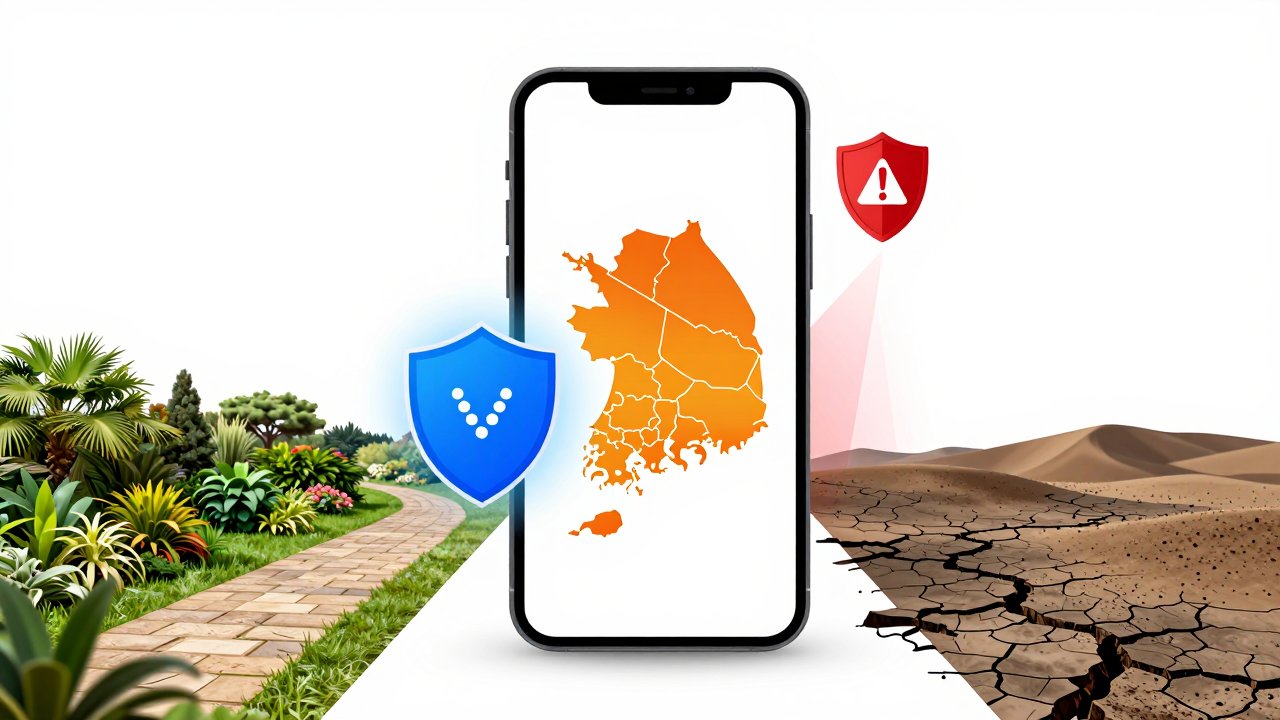
- Location selection for numbers: Different regions in Korea carry different risk levels on certain platforms. Being able to choose numbers from Seoul, Gyeonggi, or other major areas gives you more flexibility.
- Number reuse policy: Ask directly whether numbers are exclusive or shared. Exclusive numbers cost more but are safer in the long run.
- Platform compatibility: Confirm that the platforms you need (Naver, Kakao, Coupang, etc.) are supported, and check the success rates.
- Customer support responsiveness: Verification needs often happen at odd hours. How fast support responds can make or break your workflow.
One thing I really want to stress: don't hoard numbers on a single platform. In 2026, Korean platforms are extremely sensitive to "mass registrations from the same IP in a short window." Even with clean numbers, poor operating rhythm will get you banned.
A Real Cautionary Tale
A team running Korean live commerce tried to scale fast by registering over 30 KakaoTalk accounts in a single day using a verification service. The next day, every single account was restricted and required ID verification. They obviously didn't have Korean IDs—so the entire batch was worthless.
They eventually figured it out: register only 3–5 accounts per day, use different IPs and device environments, and build up a stable portfolio gradually. The lesson here is simple—a verification service is just a tool. How you use it determines your results.
Provider Compliance Matters More Than You Think
Most people overlook this: Korea SMS verification services operate in a gray area, but whether a provider cares about compliance directly affects your experience.
Some platforms accept any business to maximize profit, even actively promoting "bulk registration" services. The number pools on these platforms are typically under heavy monitoring by major platforms. Using them is basically walking into a trap.
More restrained providers like Getfollow, on the other hand, explicitly restrict certain high-risk use cases—which actually protects the long-term usability of their number pool. It's a win-win: the provider manages risk, and users get more stable service.
Industry consensus is that any verification provider still operating reliably in 2026 has its own risk control logic. The fly-by-night operators mostly disappeared in last year's industry shakeout.
Price Isn't Everything—But Neither Is Premium
Korea SMS verification pricing varies widely in 2026, from fractions of a cent to several dollars per code. Higher prices don't guarantee quality, and budget options aren't always bad.
The key is understanding your use case. If you're just verifying an occasional account, a cheap option works fine. If you're doing bulk operations or long-term management, you need a provider with a high-quality number pool.
My advice: test small before committing. Spend a few dollars on a handful of numbers to evaluate success rates, delivery speed, and number cleanliness before buying in volume. That's much safer than dropping hundreds upfront and watching it all go sideways.
Frequently Asked Questions About Korea SMS Verification
Which platforms can I register with a Korea SMS verification service?
Mainly Korean platforms like Naver, KakaoTalk, Coupang, and Gmarket, plus some international services that require Korean phone verification. Keep in mind that different platforms have varying tolerance levels for virtual numbers, so check compatibility before you commit.
Can I keep using the number after receiving the code?
Most verification platforms offer numbers on a short-term rental basis, with validity ranging from a few minutes to a few hours. If you need a long-term number, look for providers offering "monthly rental" options—they cost more but give you ongoing access.
How do I know if a Korea SMS verification provider is trustworthy?
Look for three things: how frequently they refresh their number pool, whether they have clear risk control policies, and how professional their support team is. Providers like Getfollow will openly tell you which use cases they don't support—which is actually a good sign.
Will accounts registered with virtual numbers get banned?
There's always that risk. Korean platform risk control has become increasingly strict in 2026, and accounts registered with virtual numbers start at a disadvantage. Pair your verification service with clean IPs, reasonable operating frequency, and proper account warming to reduce the risk.
Korea SMS verification services remain an essential tool for cross-border operations in 2026—but they're just one piece of the puzzle. Number quality, operating rhythm, IP environment, and post-registration account warming all play a role in your final results.
Don't expect a verification service to solve every problem, and don't write off all providers after one bad experience. Find a solution that fits your business rhythm, test small, and scale gradually. That's the most practical strategy for the Korean market.