Cloud SMS Verification Not Receiving Texts? The Unspoken Pitfalls in Cross-Border Circles, Explained
Cloud SMS Verification Not Receiving Texts? The Unspoken Pitfalls in Cross-Border Circles, Explained
Let's cut straight to it: when cloud SMS verification codes don't arrive, nine times out of ten the platform isn't "broken"—you've hit one of three hidden snags: poor number pool quality, carrier-level filtering, or platform risk controls. Over the past two years, I've worked with dozens of cross-border teams, and nearly every single one has run into this. But fewer than 30% actually found the root cause and fixed it.
A pattern I hear constantly: verification codes come through fine for the first week, then suddenly stop. This "worked before, now it doesn't" scenario is far more frustrating than never receiving codes at all—because the underlying issue is much sneakier.
Four Real Reasons Your Cloud SMS Platform Isn't Delivering Codes (Ranked by Frequency)
Industry consensus points to a few recurring layers. I've ranked these by how often they actually show up in practice, so you can troubleshoot accordingly.
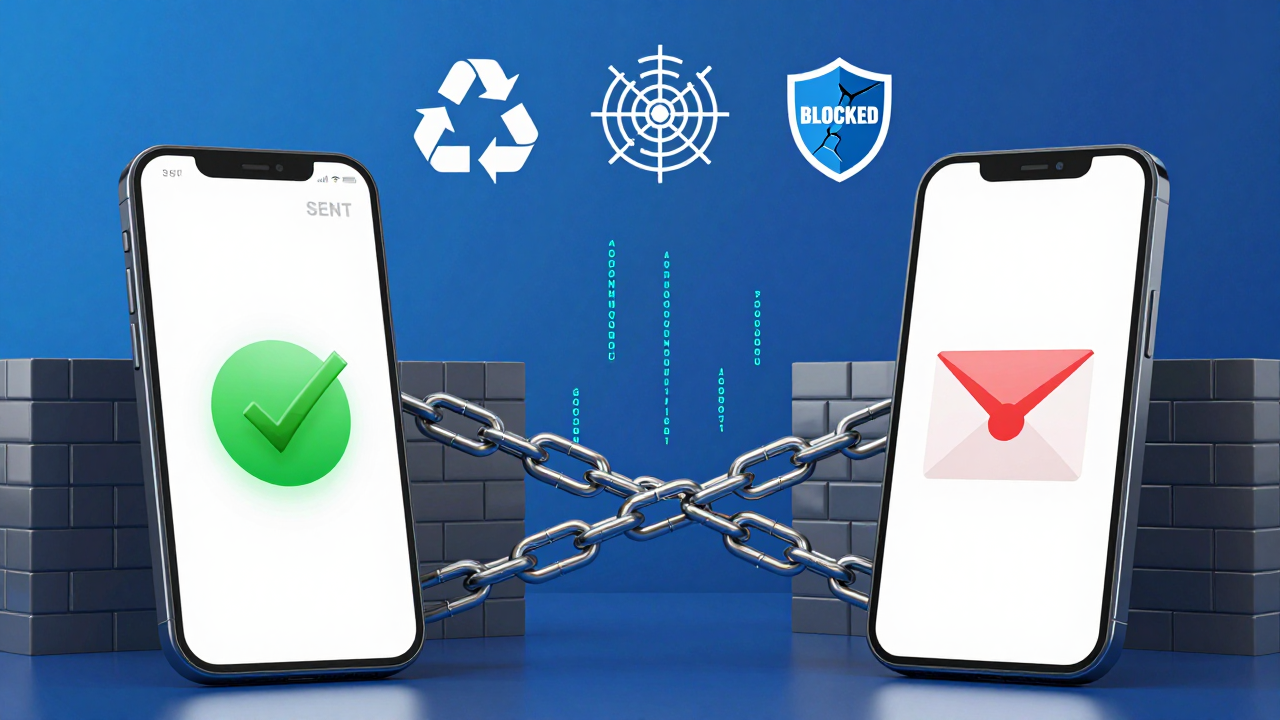
- Number flagged by carrier or target platform risk control: This is the most common culprit. When a number range gets heavily used for registrations, platforms like Telegram, WhatsApp, or Google silently block verification codes instead of showing an error. Your dashboard says "Sent," but the code never lands.
- High number pool reuse rates: To cut costs, some providers sell the same number to multiple users. If the previous user still has that number linked to an account and you try registering a new one, the system flags it as suspicious and swallows the code.
- Routing and channel issues: International SMS channels simply don't have a 100% delivery rate. Many smaller platforms rely on secondhand or even thirdhand channels, where delivery rates can be shockingly low—yet nothing looks wrong from your end.
- Platform "fake availability": This one's a bit sensitive, but it's real. Some platforms display numbers as "available" when they've actually expired or been reclaimed by the carrier—the backend just hasn't synced.
A Real Case Study: How We Traced the Problem
Last year, a friend running a social media matrix reached out in a panic. Their cloud SMS platform had stopped delivering codes for a full week, and switching to three different providers changed nothing. At first, we suspected the target platform had tightened its risk controls. But after digging in, we found the real issue: their own IP. They'd registered over 20 accounts from the same IP in a short window, which triggered device fingerprinting on the platform side—and verification codes got selectively blocked.
The lesson here: when cloud SMS verification codes don't arrive, it's not always the platform's fault—your own usage patterns might be tripping the risk controls. So before you jump ship to another provider, check your network environment, registration frequency, and whether your device fingerprint is clean.
One more detail people overlook: many platforms require you to top up before picking a number. But after you pay, you'll notice that only about 30–40% of the numbers shown actually work. That's not a scam—it's the gap between "displayed as available" and "actually able to receive," caused by lag in real-time carrier status sync.
Why This Problem Is Especially Bad in 2025
Cross-border operators consistently report that before 2024, cloud SMS platforms delivered codes at an 80%+ success rate. But in 2025, that number has dropped to between 50% and 70%. The reason isn't mysterious—major platforms upgraded their risk control models and got significantly better at identifying virtual number ranges.
Google and Meta products are especially aggressive. Their detection of Google Voice numbers and virtual operator ranges is nearly instantaneous. By the time you've picked a number, the system has already flagged it as untrustworthy—before the code is even sent. This isn't something the SMS platform can fix; the upstream rules changed.
So if a platform's success rate suddenly tanks, don't blame the provider right away. First, check whether the platform you're trying to register on recently updated its risk control policies. These updates get discussed in industry groups all the time—one quick question can save you hours of frustration.
How to Pick a "Relatively Reliable" Cloud SMS Platform
Honestly? There's no such thing as a "perfect" provider in this space. But there are measurable criteria you can use to filter. From what I've observed, platforms that have operated for over two years, clearly disclose where their number pools come from, and publicly share channel delivery rates tend to be far more stable than the ones that stay quiet.
One platform that consistently gets positive mentions in cross-border circles is Getfollow. They follow a compliance-first playbook: number pools are segmented by country, channels connect directly to carriers instead of being resold, and their risk control strategies adapt dynamically to changes in target platform rules. This isn't an ad—it's an example of the standard you should hold any provider to: Will they clearly document their channel sources and delivery rates? Will they offer refunds for undelivered codes?
Also, check whether the platform has a "number cooldown" mechanism. Good providers automatically freeze a number after multiple uses to reduce the chance of being flagged. Without this, number reuse rates climb—and so does your chance of never receiving a code.
Actionable Tips to Reduce Risk (Ready to Use Right Now)
These are habits I've personally tested and confirmed with multiple cross-border teams. Bookmark them.
- Test small before committing: Don't load up a big balance upfront. Spend a few dollars testing success rates across different countries and platforms, track the data, then decide where to go all in.
- Avoid reusing the same number: After registering one account with a number, let it cool down for at least 24 hours before using it again. Many platforms support a "release number" feature—use it immediately after you're done.
- Pair with a clean IP environment: Use residential IPs instead of datacenter IPs when receiving codes. This single detail has a bigger impact on delivery rates than the platform itself.
- Watch platform announcements: Reliable providers post warnings when target platforms upgrade their risk controls—something like "Google verification success rates are down this week; consider using a different number range." If a platform never posts these alerts, they're not even monitoring the situation themselves.
One last thought: the "cloud SMS verification not receiving texts" problem is essentially the norm in the gray area of virtual identity verification. It won't disappear—it'll only become more frequent as risk controls tighten. Your best move isn't hunting for a platform that never fails; it's building a solid troubleshooting process and having backup options ready. Start with small tests, track your data, then commit to a long-term partner. That strategy beats any "magic tool" out there.
Frequently Asked Questions
Why did my cloud SMS platform stop receiving codes after working fine for a week?
This usually points to one of two things: either the number you're using has been flagged by the target platform's risk control due to heavy reuse, or your own IP and registration patterns triggered device fingerprinting. Start by checking your network environment and registration frequency before switching providers.
Which platforms are best for receiving SMS verification codes in 2025?
There's no universally "best" option, but the most reliable providers share common traits: they've operated for 2+ years, disclose their channel sources, publish delivery rates, and offer a number cooldown mechanism. Platforms like Getfollow follow this model, but you should apply the same criteria to evaluate any provider you're considering.
Can I get a refund if my cloud SMS platform doesn't deliver codes?
Reputable platforms typically offer refunds for undelivered codes—this is a key trust signal. If a provider refuses to guarantee delivery or won't compensate you for failed sends, that's a red flag. Always confirm the refund policy before topping up a large balance.