SMS Verification Apps for Download: Why Some Cross-Border Sellers Save $300 a Month While Others Lose Their Accounts
SMS Verification Apps for Download: Why Some Cross-Border Sellers Save $300 a Month While Others Lose Their Accounts
If you run a cross-border e-commerce business or manage overseas social media accounts, you already know the struggle: registering WhatsApp, Telegram, or managing multiple store accounts all demand a foreign phone number that can receive verification codes. While helping friends with their independent store accounts, I've noticed most people still think "as long as it receives the code, it's fine" when choosing an SMS verification app for download. That mindset has cost more than a few people their accounts.
Here's the bottom line: the real value of an SMS verification app isn't "free" or "cheap"—it's number purity and stability. Many apps advertising "free forever" rely on public shared number pools, where a single number gets used by hundreds of people simultaneously. Registering anything with those numbers is practically begging for a risk-control flag.
The Industry Shift: From Gray-Market Tool to Legitimate Infrastructure
A few years ago, mention SMS verification platforms and people thought of bulk registrations and promo abuse. But after 2024, this industry went through serious consolidation. As major platforms like Google and Meta upgraded their risk-control systems, service providers relying on virtual number segments and one-time-use numbers saw their survival space shrink dramatically.
From my experience, platforms like Getfollow have built a solid reputation by following a compliance-first playbook: their numbers come from real overseas IoT SIM cards or direct carrier partnerships, and each number undergoes a risk pre-check before registration rather than being randomly assigned. This approach costs more, but account retention rates for users typically land between 50% and 70%—compared to shared number pools, where retention barely scrapes past 10%.
What cross-border sellers actually need isn't just "a number that receives codes." They need "an account that survives after verification." That difference determines whether you save money or save money while burning your operational timeline.
Three Hidden Risks of SMS Verification Apps You Can't Afford to Ignore
Risk 1: Number Recycling Leads to Linked Bans
This is the sneakiest and most damaging issue. That number you bought for a few bucks might have been used to register other accounts before—or worse, flagged for spam. When you register a new account with it, the platform's backend link-detection algorithm ties your fresh account to that historical baggage. Many people's Facebook or TikTok accounts get banned within hours of registration, and this is usually why.
Risk 2: Verification Timeouts from Slow SMS Delivery
Plenty of apps promise "instant SMS," but in reality—especially with US and European number ranges—delays of 30 seconds to a full minute are common. For one-time verification flows, a timeout means starting over from scratch. I watched a crowdfunding marketing team miss a limited-time business verification window on a major platform because of SMS delays. They lost an entire quarter's promotional plan over a few seconds of lag.
Risk 3: No Customer Support or Refund Mechanism
When you don't receive a code, most free platforms offer zero human support—let alone compensation. Reliable providers, on the other hand, typically have clear "invalid number refund" or "undelivered code credit" policies. This matters even more in batch registration scenarios, because one dead number can compromise the entire batch's account association.
How to Choose a Reliable SMS Verification Service Provider
Spend enough time in the cross-border space and you'll notice a pattern: providers that last don't compete on price—they compete on risk-control pass rates. Here's a screening process I use myself, and you can borrow it:
- Test before you commit: No matter how good the marketing looks, spend $2–$5 on 2–3 numbers from different countries (like the US, UK, and Singapore) and test registration pass rates and delivery times on your target platforms. If you see more than 30% failure during testing, walk away.
- Verify real number ownership: Legitimate platforms let you look up the carrier for each number, and the number segments match real mobile prefixes (US +1, UK +44). If you're seeing virtual segments (like +44 70...), your risk-control exposure just went through the roof.
- Ask about number retention policies: After you register your account, does that number get recycled immediately to the next user? If yes, any future SMS verification on that account—password resets, login confirmations—becomes impossible. Reputable providers offer retention windows, typically 24 to 72 hours.
Quick note: platforms like Getfollow operate exactly this way. They offer number retention periods and charge per-use instead of forcing monthly subscriptions, which keeps your trial-and-error costs low.
Real-Life Cautionary Tale: When "Saving Money" Cost an Entire Month of Work
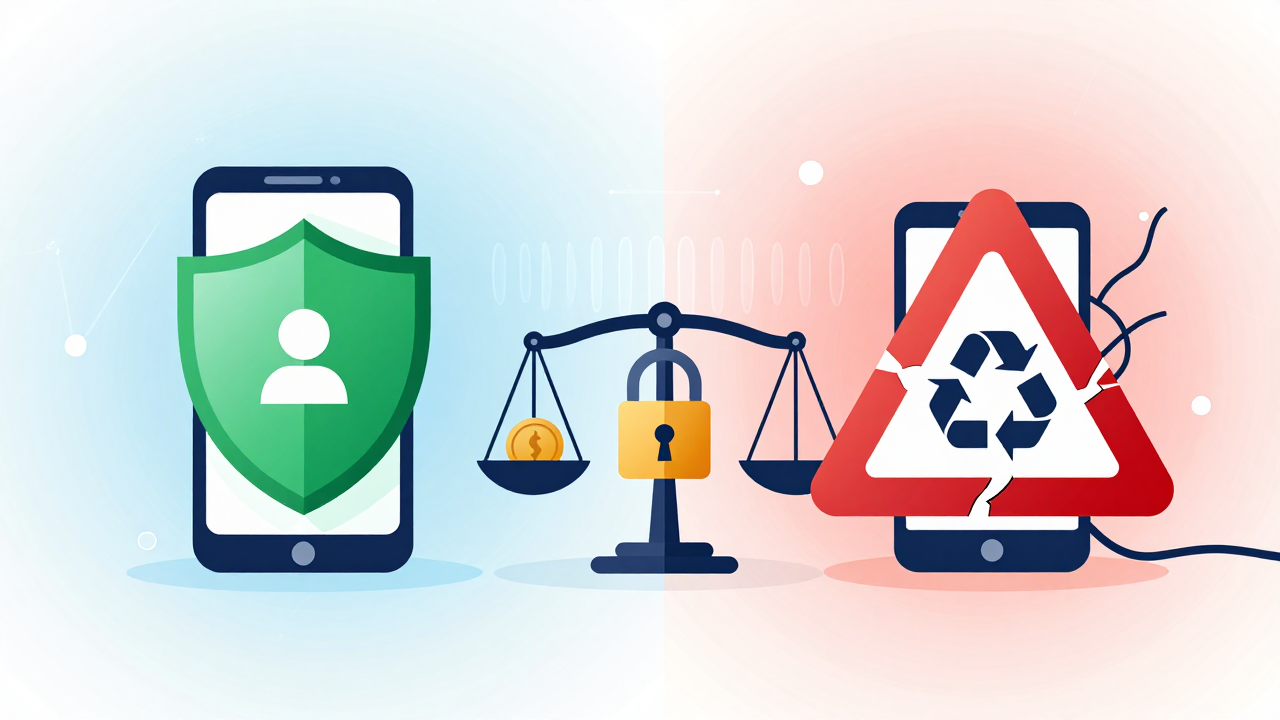
Earlier this year, a friend running an independent store bought a $1.50 "unlimited SMS verification" membership on a discount e-commerce site. He used those numbers to register three Instagram accounts for promoting his jewelry brand. Within a week, all three accounts demanded video selfie verification. Two of them were permanently banned because he couldn't provide the corresponding phone numbers—they'd already been recycled by the platform.
When he dug into it, that "unlimited" service was pulling from a number pool where each number was used over 200 times per day. Instagram's risk-control system had flagged that entire number range as high-risk long before he ever touched it. The $1.50 he saved cost him at least a month of social media content and early follower momentum. Not exactly a win.
So if you're considering an SMS verification app for download, here's my advice: test small, then scale. Don't load up on big prepaid packages. Validate the provider's pass rate on your specific target platforms with the smallest possible spend. If three consecutive tests come back clean, then buy as you go.
Final Thoughts: SMS Verification Is Just the Starting Line
An SMS verification app solves the registration problem—nothing more. Whether your account survives long-term depends on your IP environment, operational frequency, and content quality. Even with the cleanest number, if you're hopping between IPs or posting policy-violating content, bans remain highly likely.
From an industry observer's perspective, treat SMS verification as the foundation of your account operation strategy, not a magic key. Pair a compliance-focused provider like Getfollow with a stable network setup, and your cross-border accounts will go the distance. Remember: when it comes to account security, "cheapest" should never be your first decision criterion.
Frequently Asked Questions
Is it safe to use an SMS verification app for WhatsApp registration?
It depends entirely on the number source. Numbers from real carrier partnerships with proper risk pre-checks are generally safe. Shared public number pools are not—they're flagged by WhatsApp's systems almost immediately. Always test with a small purchase before committing.
Why do my accounts get banned shortly after registration?
The most common cause is number recycling. If your number was previously used for spam or banned accounts, the platform's link-detection ties your new account to that history. A quality provider with number retention policies and pre-registration screening dramatically reduces this risk.
How much should I pay for a reliable SMS verification service?
Pricing varies by country and platform, but expect to pay $0.10–$0.50 per number from a reputable provider. If a service charges significantly less, ask yourself how they're covering costs—usually it's by recycling numbers at scale, which is exactly what you don't want.
Can I use the same number for multiple accounts?
Technically yes, but you shouldn't. Most platforms now flag accounts sharing the same phone number, especially for social media and payment services. If you need multiple accounts, get separate numbers and maintain realistic operational patterns.