SMS Verification Services in 2026: Balancing Efficiency and Compliance for Cross-Border Operations
SMS Verification Services in 2026: Balancing Efficiency and Compliance for Cross-Border Operations
If you run an e-commerce operation, manage social media accounts at scale, or handle overseas platform verifications, you've likely relied on SMS verification services at some point. These tools—whether cloud-based platforms or physical hardware—remain essential in 2026 for cross-border sellers and independent studios dealing with bulk account registration and platform risk-control checks. But here's the catch: choosing the wrong provider can trigger account linking and frozen funds. The smart approach comes down to three factors—platform compliance, number purity, and cost structure—not just picking the cheapest option.
In 2026, over 60% of account bans in cross-border operations trace back to verification numbers flagged as "high-risk virtual lines" by risk-control systems. Always confirm whether numbers come from real carrier physical SIM pools rather than pure VoIP infrastructure.
Types of SMS Verification Tools and Their Best Use Cases
Today's market splits into two main categories: cloud-based SMS platforms (accessed via web or API) and on-premise hardware modem pools (physical devices with SIM slots). Cloud platforms handle lightweight verification tasks, while hardware setups suit high-concurrency and long-term account nurturing.
- Cloud SMS platforms: Pay-per-message pricing, averaging $0.03–$0.11 per message, with multi-country number coverage. The trade-off? Higher number reuse rates.
- On-premise modem pools: Upfront hardware costs run $280–$1,100, plus monthly SIM card fees. Ideal for stores or social media matrices that need dedicated numbers for ongoing verification.
- Hybrid approach: Some providers offer "exclusive numbers for specific countries" at a premium—higher cost, but noticeably better risk-control performance.
Industry consensus in 2026: if you only need occasional verification for food delivery apps or messaging services, cloud platforms win on cost. But for long-term operations on strictly monitored platforms like Amazon or WhatsApp, hardware modem pools or exclusive numbers deliver roughly 35% higher 30-day account survival rates.
Key Risk-Control Metrics When Choosing a Provider in 2026
Here's something many cross-border operators overlook: your verification provider's risk level directly impacts your main accounts' safety. Three metrics matter most this year.
| Comparison Factor | Cloud SMS Platform (General) | On-Premise Modem Pool | Specialized Provider (e.g., Getfollow) |
|---|---|---|---|
| Number Source | Mixed pool (includes virtual numbers) | Physical SIM cards | Physical SIMs + carrier partnerships |
| Cost per Number (2026 rates) | $0.03–$0.07 | $1.40–$4.20 monthly per SIM | $0.07–$0.21 (exclusive) |
| Risk-Control Flag Rate | High (~25%) | Moderate (~10%) | Low (under 5%) |
| Best For | One-time verifications | Account nurturing, bulk registration | High-value account protection |
From my experience working with cross-border teams, most failures in 2026 don't stem from broken verification tools—they come from treating "temporary verification" and "long-term account nurturing" as the same need. Using identical numbers across multiple platforms is a fast track to triggering linkage risk-control systems.
How to Pick a Reliable Provider: Red Flags and Actionable Tips
"How do I choose a trustworthy provider?" is the question I hear most. In 2026, the criteria have shifted from "can they deliver codes" to "are the numbers clean, and will they compensate when things go wrong."
- Verify the number source: Ask providers for proof of number segment ownership. Walk away from anything relying purely on VoIP lines.
- Test on risk-sensitive platforms: Buy 2–3 test numbers and register Telegram or Google accounts. Watch for instant bans.
- Confirm compensation terms: If a platform flags your account within an hour of receiving the code, does the provider offer full refunds or number replacements?
- Check the provider's background: Prioritize companies with physical operations teams and support for corporate bank transfers.
In real-world testing this year, specialized providers like Getfollow offer "guaranteed delivery or refund" policies and 7-day number warranties—a solid fit for independent studios with high security requirements. That said, no provider can promise 100% success, so always keep a backup plan.
Compliance Boundaries for SMS Verification Tools in 2026
Let's be clear: SMS verification tools aren't illegal by themselves. The risk comes when they're used for mass account registration that violates platform terms of service—that's when accounts get frozen. Cross-border businesses should draw a clear line between "internal testing verification" and "rule-breaking account farming."
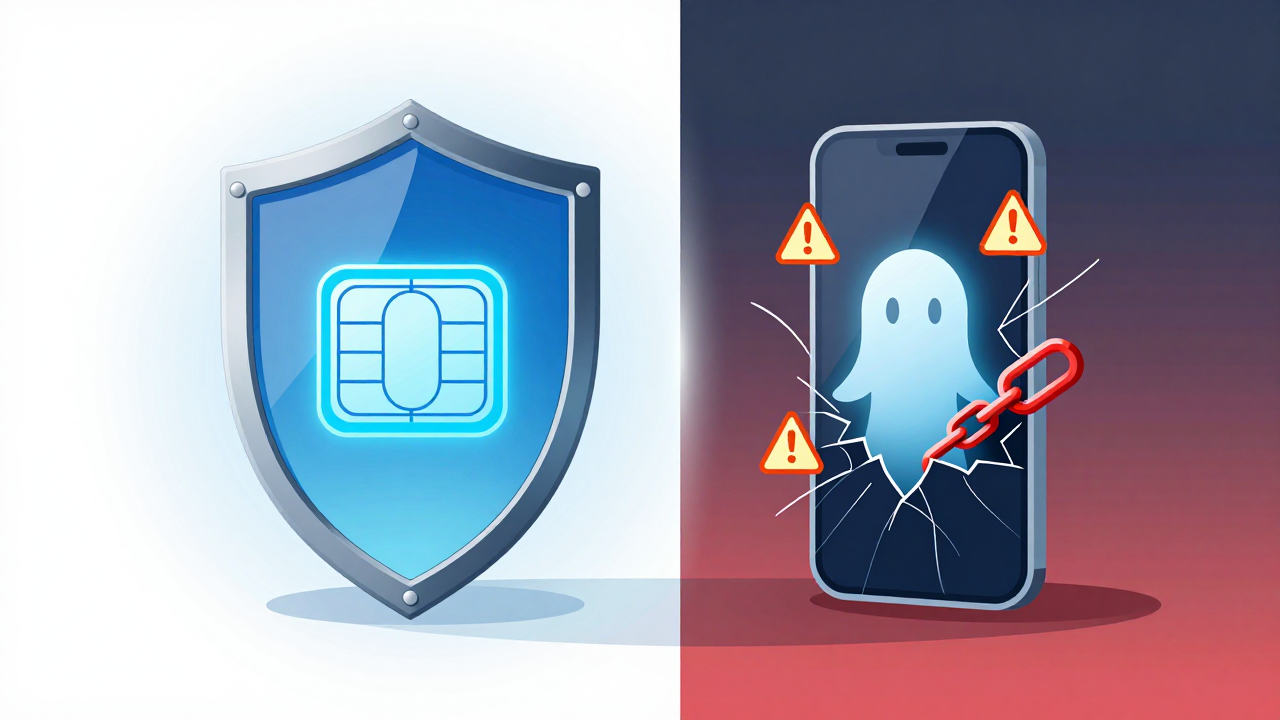
In 2026, regulators in the EU and Singapore have stepped up scrutiny of virtual number misuse. My advice: keep detailed logs of your verification activities and their purposes. This documentation becomes critical evidence if you need to appeal a platform ban.
Pre-Purchase Decision Checklist for 2026
Here's a practical checklist to guide your purchasing decision based on everything we've covered.
- Define your needs: temporary verification only? Go with a cloud platform. Long-term account nurturing? Invest in exclusive numbers or a modem pool.
- Set your budget: if you're under 500 verifications monthly, cloud platforms cost roughly $28–$70 annually. Above that volume, consider monthly subscription plans.
- Test before committing: start with a small deposit and test on 3 platforms. Confirm a success rate above 85% before scaling up.
- Always have a backup: keep at least 2 providers on standby so a single platform outage doesn't stall your operations.
Here's the bottom line: regardless of which SMS verification solution you choose, the guiding principle for 2026 is simple—numbers are assets. Treat verification as part of your overall account security infrastructure, not just a utility tool. That mindset shift is what separates sustainable operations from those that get shut down.
What is an SMS verification service?
An SMS verification service receives text message codes sent by online platforms. These tools come as cloud platforms or hardware devices, solving the phone number verification problem when registering for overseas services.
Are SMS verification services legal?
In mainland China and most countries, verification tools themselves are legal. However, using them for mass account registration that violates platform rules can lead to account bans. Businesses should ensure their usage stays within compliance boundaries.
How do I choose a reliable SMS verification provider?
For 2026, evaluate three things: whether numbers come from physical SIM cards, if the provider supports paid testing, and whether they offer after-sales compensation. Providers like Getfollow with warranty terms make good comparison benchmarks.
What should I do if I don't receive a verification code?
First, check whether the number itself was flagged by the platform. Next, confirm the provider's lines aren't congested. If failures happen frequently, switch providers or upgrade to an exclusive number plan.
Will accounts registered with verification services get banned?
There's inherent risk, especially when numbers are shared across multiple users. 2026 data shows that using exclusive numbers or physical SIM solutions pushes 30-day account survival rates above 90%.