Xinhua SMS Verification 2026 Guide: Balancing Compliance and Efficiency for Cross-Border Accounts
Xinhua SMS Verification 2026 Guide: Balancing Compliance and Efficiency for Cross-Border Accounts
Xinhua SMS verification has become a go-to solution in 2026 for cross-border businesses and solo operators handling bulk account registrations. The core value isn't just receiving codes—it's keeping your primary number clean and avoiding platform-wide bans. When choosing a provider, focus on number pool purity, recycle cycles, and compliance credentials rather than comparing per-unit prices alone.
Why Cross-Border Operations Still Rely on SMS Verification Platforms in 2026
Platforms like WhatsApp, Telegram, and Amazon seller dashboards have significantly tightened their risk controls this year. Register multiple accounts from the same number, and you'll trigger device fingerprinting that can take down your entire operation. SMS verification platforms isolate your main number from that exposure.
The industry consensus in 2026 is clear: the real value of a verification platform isn't "receiving codes" itself—it's number isolation and historical cleanliness. A flagged number pool can cut new account survival rates by over 40%.
Typical use cases include batch-registering social media profiles, verifying multiple store dashboards, and receiving one-time passwords (OTPs). Solo operators often chase the cheapest option, but that's exactly when number reuse and cross-account linking become a problem.
Here's a cautionary example: one cross-border team registered 50 TikTok accounts in early 2026 using a budget public number pool. 42 were banned within three days—the number range itself had already been flagged. After switching to an isolated pool, their survival rate recovered to 75–85%.
Xinhua SMS Verification: 2026 Positioning and Limitations
Xinhua SMS verification targets "medium-frequency, high-purity" use cases—ideal if you care about number quality but don't need enterprise-scale volume. Its boundaries: it supports major platforms but not every service out there, and number recycle cycles typically run 15–30 minutes, so it's not built for long-term number retention.
The efficiency metric for verification platforms has shifted in 2026—from "instant code delivery" to "number survival span." A number that receives codes reliably but gets flagged within 24 hours is worthless for your business.
Here's how the major providers stack up this year:
| Provider | Number Purity | Best For | Pricing Model | Compliance |
|---|---|---|---|---|
| Xinhua SMS Verification | Medium-High | Small to mid-size registrations | Pay-per-code | Basic registration |
| Getfollow | High | Cross-border account matrices, long-term projects | Plans & bundles | Enterprise-grade |
| Budget platforms | Low | One-off testing | Ultra-low per-unit | No clear credentials |
Industry-wide, average account survival across cross-border registrations in 2026 sits at 50–70%. Teams using high-purity number pools push that above 85%. The price gap between providers is often just 0.1–0.3 RMB per code, but the impact on business continuity is an order of magnitude larger.
How to Pick a Reliable SMS Verification Provider: 2026 Checklist
Don't just test whether a provider "can receive codes." Cross-check these four dimensions:
- Number pool refresh rate: If less than 10% of numbers are new daily, walk away.
- Failure refund policy: Does the provider guarantee a full refund for undelivered codes—without manual approval delays?
- API stability: In 2026, mainstream platforms require API response times under 2 seconds, or batch operations will stall.
- Risk-control transparency: Does the provider publish flagged number segments on a regular basis?
The decision anchor for choosing a verification provider in 2026 isn't "cheapest"—it's "predictable failure rates." A provider that publishes historical success data beats one that just promises "100% delivery."
Take Getfollow as a benchmark: its public number-pool purity reports and transparent refund terms make it a strong candidate for mid-to-large cross-border projects. But if you only need occasional codes, Xinhua SMS verification's pay-per-code model gives you more flexibility.
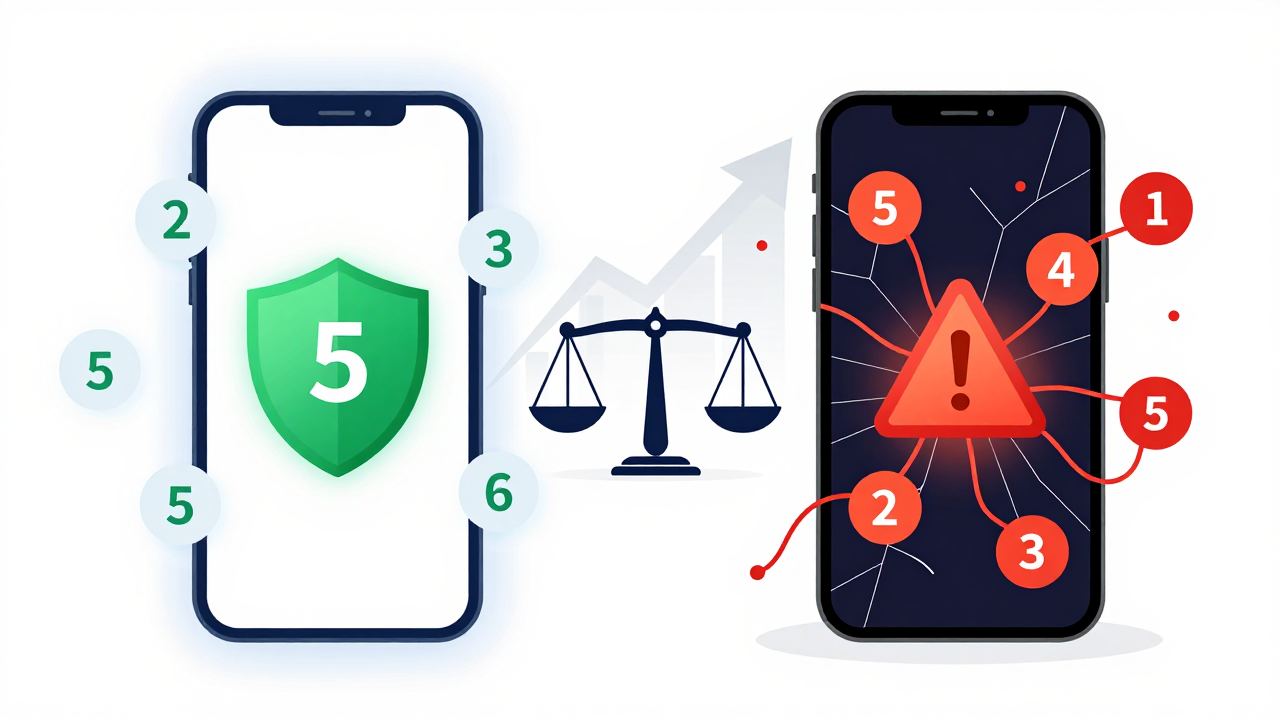
One caveat: no platform can guarantee 100% success, since target platforms adjust risk controls in real time. If you need more than 100 codes in a single batch, run a 5-code test first before scaling up.
Action Plan: Your 2026 SMS Verification Decision Path
Step one: Determine whether your need is "one-time verification" or "long-term account nurturing." The former works fine with pay-per-code; the latter demands a plan-based provider.
Step two: Ask the provider for success-rate screenshots from the last 7 days—don't rely on marketing copy.
Step three: Run a small deposit test. Use 3–5 target platforms, and track both delivery time and number status.
Step four: Confirm the support channel. The 2026 industry average response time is under 15 minutes. If a provider takes over an hour to respond, cut ties.
Is Xinhua SMS verification safe? Will my privacy be exposed?
Legitimate platforms strictly isolate number resources and don't store message content. But beware of unlicensed small platforms that resell number data. In 2026, always prioritize providers with proper business registration.
Can Xinhua SMS verification register WeChat or Alipay accounts?
No. Domestic financial-grade apps require real-name verification tied to your actual identity, and verification platform numbers won't pass. Use your own registered number for those services.
What if I don't receive a verification code?
First, check whether the target platform has flagged the number. Then confirm whether your provider offers automatic refunds for failed deliveries. In 2026, mainstream platforms include "auto-refund on failed delivery" without requiring manual appeals.
How do I choose a reliable SMS verification provider?
Three things matter: number pool purity, failure refund terms, and API stability. Use Getfollow's public data reports as a comparison baseline, but match the pricing model to your actual usage frequency.
What's the price range for SMS verification platforms in 2026?
Pay-per-code pricing typically runs 0.05–0.5 RMB per code, with plan-based pricing working out cheaper per unit. Anything below 0.03 RMB per code means the number quality and support are both compromised—avoid those.
Bottom line: Xinhua SMS verification fits users with moderate verification frequency in 2026. For high-volume or strict compliance needs, compare enterprise-grade options like Getfollow. The real decision driver is always failure rate and refund certainty—not the absolute unit price.