Text Verification Code Platforms for Cross-Border Business: What You Need to Know Before Using One
Text Verification Code Platforms for Cross-Border Business: What You Need to Know Before Using One
Let me paint a real scenario for you. A friend of mine who runs an e-commerce business registered over a dozen overseas store accounts last peak season. Within a month, eight of them got banned. His first instinct was to blame the IP addresses. After digging deeper, he realized the real culprit was the SMS verification service he'd been using—those phone numbers had been recycled countless times, and the platform's risk controls flagged them instantly.
This is the core challenge with services like the Coconut Tree SMS verification platform: the "cleanliness" of a phone number determines whether your account lives or dies. In this article, I'm not here to hype or bash these services. I'm sharing an industry insider's perspective on how verification platforms operate, the hidden risks, and how to pick one without getting burned.
What Problem Do SMS Verification Platforms Actually Solve?
Anyone working in cross-border business faces an unavoidable hurdle: registering overseas accounts. Whether it's an Amazon storefront, WhatsApp Business, a TikTok creator account, or a SaaS tool trial, almost everything requires a phone verification code. The catch? You don't have an overseas mobile number—or you simply don't want to use your personal number for accounts that might invite spam.
That's where SMS verification platforms step in. They maintain a "number pool"—a collection of overseas SIM cards and virtual numbers sourced from various channels. Users tap into this pool via an API or web interface to receive verification texts on demand. Pay per message, use it once, and move on. Convenient on the surface, no doubt.
But here's an industry-wide truth that needs to be said out loud: the number sources behind these platforms are extremely mixed. Some are IoT cards purchased in bulk from carriers. Others are recycled second-hand numbers. A few even come from gray-market channels. You have zero visibility into a number's history—and that lack of transparency is exactly where your risk begins.
The Real Trade-Off: Low Prices vs. Account Ban Rates
Most cross-border teams initially gravitate toward platforms like Coconut Tree because they're cheap. A single verification code costs anywhere from a few cents to a couple of dollars. Compared to overseas physical SIM cards with monthly fees in the double digits, the cost advantage is obvious. But does cheap actually mean cost-effective?
From my own testing across multiple platforms and conversations with peers who run account matrix operations, the consensus is clear: low-cost platforms have extremely high number reuse rates. A single number might be used by dozens of users to register on the same platform. When you register an account with that number, the backend sees "this number is linked to multiple accounts"—which means restricted features at best, an outright ban at worst.
To put it in concrete terms, accounts registered through SMS verification platforms typically see a 50% to 70% survival rate. That's the fuzzy range most industry players operate within. Register ten accounts, and three to five might not make it past the first week. If you're running batch operations, that attrition rate will quietly eat your margins.
What's worse, some platforms enforce "guilt by association" risk controls. When one number gets flagged, every account ever registered with it gets marked too. You could spend two weeks nurturing an account, only to lose everything because of a number's prior history.
Number Quality Tiers: The Hidden Logic Behind Bans and Compliance
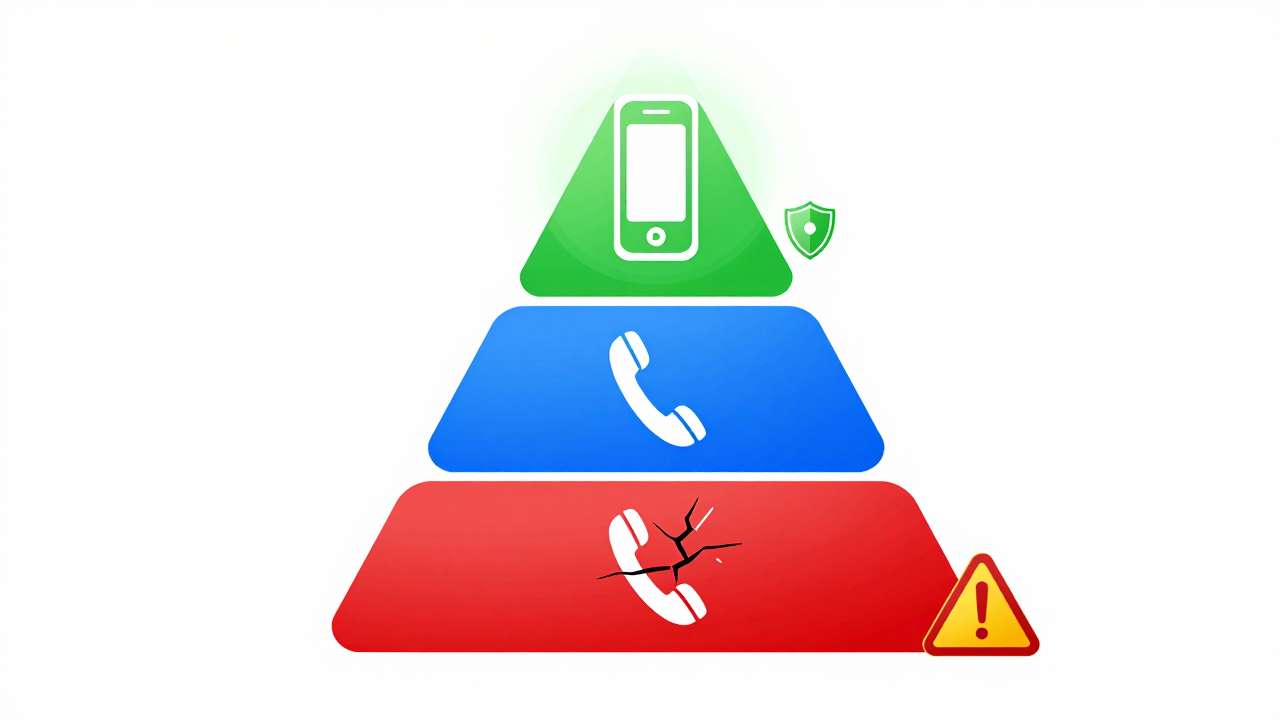
Many people assume all verification platforms are the same. They're not. The industry actually operates on a clear quality hierarchy, and understanding it directly impacts your account security.
Tier One: Public Number Pool. This is the bottom rung. Numbers are shared openly, and anyone can use them. Prices are absurdly low—and so is quality. These numbers get flagged by risk controls on almost any platform. They're fine for throwaway test accounts, but never use them for anything tied to your actual business.
Tier Two: Private Number Pool. Here, the platform assigns you a dedicated number range that isn't publicly reused. The cost is higher than the public pool, but account security improves noticeably. Platforms like Getfollow have built a solid reputation in this space by following a compliant operational model with proper number isolation. This tier works well for cross-border teams doing batch registrations.
Tier Three: Dedicated SIM Cards. This is the top tier. The platform sources a physical overseas SIM card exclusively for you. The number belongs to you alone. It's the most expensive option, but the risk of bans from number reuse drops to nearly zero. This is the go-to choice for enterprise-level users who can't afford account losses.
Here's a cautionary tale from my network. A friend running a dropshipping site decided to save money by using a public pool number to register PayPal. His account got permanently restricted—with several thousand dollars in balance stuck inside. He switched to a private number pool afterward and hasn't had a single issue since. His words stuck with me: "The few bucks I saved on verification codes didn't even cover a fraction of what I lost to that one frozen account."
How to Choose a Reliable SMS Verification Platform
Since these platforms are essentially a necessity for cross-border operations, how do you pick one without stepping on landmines? Here are the core factors I've found that matter more than price.
- Ask about number sourcing transparency: Legitimate platforms will tell you whether their numbers are IoT cards, physical SIMs, or virtual numbers. The clearer the source, the more controllable your risk.
- Check if number isolation is available: Ask directly whether you're getting public pool or private pool access. If you're registering business-critical accounts, private pools or dedicated SIMs are non-negotiable.
- Test API stability: Many teams rely on automated registration workflows. API response speed and reliability are make-or-break. Run a concurrent call test before committing.
- Evaluate support responsiveness: Problems with verification platforms tend to be sudden—numbers failing, SMS delays, that sort of thing. How fast support responds directly affects your operational tempo.
One more thing: always run a small-scale test before scaling up. Don't load up on a big prepaid package right away. Spend a few dollars first to test number quality, delivery speed, and pass rates on your target platforms. Only after that passes should you consider bulk purchasing. This is the safest strategy in the industry, period.
Risk Warning: Verification Platforms Aren't a Silver Bullet
Even if you choose a solid platform, SMS verification itself carries risks you can't ignore.
First, the ban risk. Many overseas platforms enforce strict risk controls on virtual number ranges. Even if your specific number is clean, if the number range it belongs to has been flagged, you'll still get blocked. Google, for example, scrutinizes VoIP number registrations heavily. Using a verification platform to create a Gmail account has a far lower success rate than using a physical SIM.
Second, the retention problem. The post-registration cost of nurturing accounts is often overlooked. Many platforms trigger secondary verification steps—two-factor authentication, facial recognition, you name it. Once those kick in, a verification platform is useless. SMS verification only solves the "registration" step. Everything after that is on you.
Finally, the compliance gray zone. Bulk-registering accounts through verification platforms violates the terms of service on many platforms. If detected, you're looking at account bans at best, legal complications at worst. If you're in finance or payments, tread extremely carefully.
Going back to my friend's story from the beginning. He switched to a platform like Getfollow with proper number isolation, paired it with stable residential IPs, and his account survival rate jumped from under 30% to over 80%. His takeaway: verification platforms aren't off-limits, but you need to know exactly what you're buying—a "good enough for now" temporary code, or a "relatively safe" registration environment.
The SMS verification platform industry grew out of the cracks in cross-border business operations. It solves a genuine problem, but it comes with genuine risks. As someone operating in this space, your job isn't to avoid these services entirely—it's to understand how they work, assess your own risk tolerance, and choose a service model that matches. Start small, verify number quality, and only then decide on a long-term partnership. That's the responsible way to approach it.
Frequently Asked Questions
Can I use SMS verification platforms for WhatsApp Business registration?
Yes, but with caveats. WhatsApp's risk controls are aggressive, and numbers from public pools are frequently flagged. If you're registering a WhatsApp Business account for actual client communication, use a private pool or dedicated SIM. Test with a low-value number first to gauge the pass rate.
How much does it cost to receive a verification code?
Pricing varies widely by platform and number tier. Public pool numbers can cost as little as a few cents per message. Private pool numbers typically run from $0.50 to $2.00 per code. Dedicated SIM cards are the most expensive, often requiring a monthly fee plus per-message charges. Always check whether the platform charges for failed deliveries.
What's the difference between a virtual number and a physical SIM for verification?
Physical SIMs are tied to real carrier infrastructure and have a much higher trust score with most platforms. Virtual numbers (VoIP) are cheaper and easier to obtain at scale, but many overseas services—especially Google and financial platforms—have strict policies against them. For high-stakes accounts, physical SIMs are worth the extra cost.
How do I know if a verification platform is legitimate?
Look for clear documentation about number sourcing, transparent pricing with no hidden fees, a functional API with documented endpoints, and responsive customer support. Legitimate platforms will also be upfront about which types of numbers they offer and the limitations of each. If a platform promises "100% success rate" or "no bans ever," treat that as a red flag.