Virtual SMS Verification vs SMS Filtering: How to Choose Without Paying the Price
Virtual SMS Verification vs SMS Filtering: How to Choose Without Paying the Price
If you work in cross-border e-commerce, you've probably wanted to throw your phone across the room over a missing verification code. Whether you're registering Amazon, TikTok, or WhatsApp accounts, or just managing social media profiles, SMS verification eats up half your productivity. Virtual SMS verification and SMS filtering sound like technical jargon, but behind them lies a mix of provider resources, compliance rules, and risk-control capabilities. From my experience, many solo operators and small cross-border teams lose more sleep over these tools than over their actual business.
Virtual SMS Verification and SMS Filtering Are Not the Same Thing
People often lump virtual SMS verification and SMS filtering together, but they work completely differently. Virtual SMS verification means you buy a virtual or physical SIM number from a platform to receive registration codes, then discard it after use. SMS filtering, on the other hand, means you have a real number but want to automatically filter, categorize, or forward marketing messages and verification codes to keep your main line from getting bombarded.
In cross-border scenarios, virtual SMS verification gets the most use—think batch-registering buyer accounts, warming up profiles, or testing multi-account logins. SMS filtering is more about protecting your primary number from spam and privacy leaks. The industry consensus is simple: verification codes solve the "getting started" problem, while filtering solves the "managing the noise" problem. You can use them separately or combine them into a full number-management system.
But here's the overlooked trap: many verification platforms brag about "huge number pools" and "rock-bottom prices" while ignoring number quality. I've tested platforms where the numbers had already been registered on dozens of services—risk-control flags go off instantly. You spend a few cents on a code, and your account gets linked and banned. That's not a few cents anymore.
The Current Landscape: Verification Providers Vary Wildly, and Low Prices Mean High Risk
Today's virtual SMS verification platforms fall into three tiers. The top tier owns carrier partnerships and proprietary number pools, offering stable quality with a healthy mix of fresh and "cold" numbers. The second tier resells numbers from upstream suppliers, which often leads to high reuse rates and risk-control flags. The third tier consists of fly-by-night operations run by individuals or tiny teams—prices are absurdly low, but so is account survival.
Many cross-border professionals report that cheap verification services yield account survival rates below 30%. That's a brutal cost-benefit reality: you save fifty cents on a code but lose an account you could have nurtured, plus all the time and effort you poured in. Industry observers generally agree that reliable platforms see account retention between 50% and 70%, while budget platforms often struggle to hit 20%.
That said, I've noticed a shift: some providers are now pushing a "compliant operations" approach. Services like Getfollow, for instance, emphasize traceable number sources and transparent risk-control policies rather than competing purely on price. Their per-code pricing runs a bit higher, but for teams that need long-term account stability, it's actually less hassle. Of course, expensive doesn't automatically mean better—it depends on your specific use case and budget.
A Real-World Example: How One Studio Learned the Hard Way
A friend who runs traffic for a dropshipping site decided to batch-register TikTok accounts last year using a dirt-cheap verification platform. He loaded $50, registered 20 accounts, and 15 were banned the next day. He figured it was his setup, so he tried again—this time, accounts got flagged before he even posted a video.
He switched to a pricier platform and discovered the issue was the number source. The budget platform was recycling numbers from the same block, and those numbers had been used dozens of times. TikTok's risk-control system had already blacklisted those blocks—registering with them was like walking into a trap with a neon sign. This story plays out all the time. Most solo operators fall into the "price over quality" pit.
How to Pick a Virtual SMS Verification or Filtering Provider: Five Hard Requirements
First, check whether you can choose specific number prefixes or regions. If you're registering a US account but get handed a European number, expect risk-control to take notice. Second, look for a "cooldown period" mechanism—how long a number sits unused before it's reassigned. The longer the cooldown, the cleaner the number.
Third, see if the platform offers refunds for failed deliveries or compensation for invalid numbers. That might seem like a customer-service issue, but it actually signals how confident the provider is in their number quality. Fourth, check for API access. If you're batch-registering, manually copying verification codes one by one is a productivity killer—you need automation. Fifth, and most importantly, look at user reviews and survival-rate data, not the "millions of numbers" marketing claims.
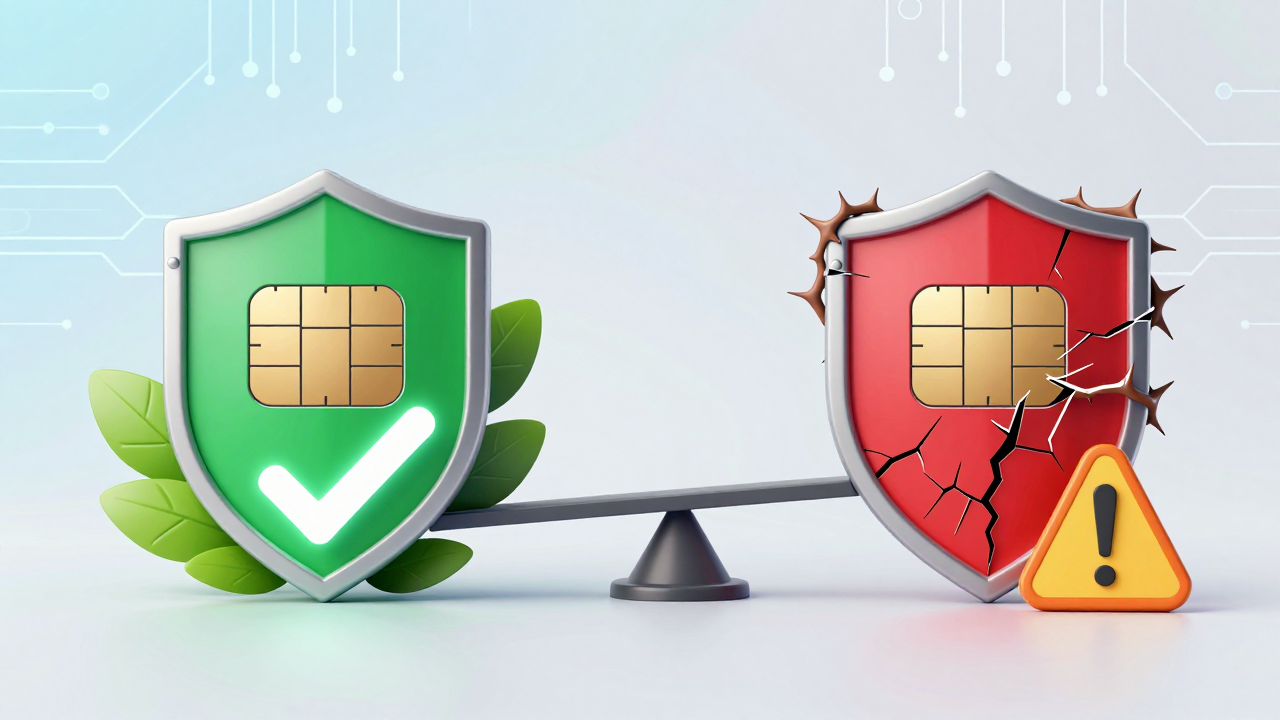
Providers like Getfollow publish registration success rates and historical ban rates so users can judge for themselves. That kind of transparency is rare and refreshing. But I'd still advise treating any provider's data as a starting point—run your own small-scale tests before committing.
The Compliance Line for SMS Filtering: Don't Gamble With Your Main Number
There's a common misconception that SMS filtering is just about blocking spam. In cross-border operations, though, filtering raises privacy and compliance questions. If the messages you're filtering contain customer information or transaction codes, how is that data handled? Is it encrypted? Can third parties see it? These are questions you need answered upfront.
I've seen a case where a studio used a free filtering tool, and every SMS—including customer addresses and contact details—was forwarded to the developer's servers. Customers complained, and the studio nearly faced legal action. So, always choose filtering tools from providers with clear privacy policies and data encryption, not just any free plugin you stumble across.
Filtering rules matter too. Some tools automatically block every message containing the word "verification," which means you might miss a bank transfer code and freeze your funds. That kind of blanket approach is dangerous in cross-border payments. Look for tools with customizable rules, or at least whitelist support.
Test Small First, Then Scale—The Safest Playbook
Whether you're a solo operator or a 50-person team, never bulk-purchase verification or filtering services right out of the gate. My advice: spend a little money testing different providers. Buy ten numbers from each, register on various platforms, and monitor survival rates and risk-control behavior over a week. Then decide who gets your long-term business.
There's a saying in the industry: "warm up your numbers." New accounts shouldn't perform sensitive actions immediately—simulate normal user behavior and build up account weight gradually. That's separate from choosing a provider, but combining both maximizes account safety. Virtual SMS verification and SMS filtering are tools at the end of the day. Choose the right tools, pair them with smart operational habits, and you'll avoid most of the pitfalls.
One last thing: cross-border business is a long game. Don't sacrifice your accounts and reputation to save a few bucks. The low-price temptation will always be there, but the providers that actually keep your operations running smoothly are the ones willing to show their data and get risk-control right. Test first, then commit—you'll never regret it.
Frequently Asked Questions
What's the difference between virtual SMS verification and SMS filtering?
Virtual SMS verification gives you a temporary number to receive registration codes—use it and discard it. SMS filtering works with your existing number, automatically sorting or blocking unwanted messages so your main line stays clean. Verification solves the "I need a number to sign up" problem; filtering solves the "my number is drowning in spam" problem.
Why do cheap virtual SMS verification services cause account bans?
Budget providers often recycle numbers from the same blocks, and those numbers have already been flagged by platforms like TikTok and Amazon. When you register with a flagged number, risk-control systems instantly link your new account to previous violations. The few cents you save aren't worth the cost of a banned account.
How can I test a virtual SMS verification provider before committing?
Buy a small batch of numbers—say ten—and register on different platforms. Track survival rates and any risk-control flags over a week. If the numbers perform well across multiple platforms, the provider is worth considering. If not, move on. Never bulk-purchase before testing.
Are SMS filtering tools safe to use for business numbers?
Only if the provider has a clear privacy policy and data encryption. Some free tools forward your messages—including customer data—to third-party servers, which can lead to legal trouble. Always review the provider's data-handling practices and look for customizable filtering rules to avoid blocking critical messages like bank codes.