SMS Verification Platform Integration: The Compliance Hurdle Every Cross-Border Business Must Clear
SMS Verification Platform Integration: The Compliance Hurdle Every Cross-Border Business Must Clear
After years working in cross-border business, I've watched too many teams stumble over SMS verification. Either their accounts get banned, verification codes never arrive, or worse—they sink serious money into a platform that vanishes within a month. Let's skip the fluff and get straight to what nobody tells you about SMS verification platform integration.
First Things First: Are You Buying a "Tool" or a "Service"?
Too many cross-border operators treat SMS verification platforms as a simple API—plug in the docs, call the endpoint, done. That mindset is exactly where the trouble starts.
Industry consensus says SMS verification platform integration is fundamentally a subscription to an ongoing service, not a one-off utility. The quality of the platform's number inventory, the stability of carrier channels, and how quickly they adapt their fraud controls—every one of these directly impacts your business continuity.
I've personally tested over a dozen platforms in this space, and a clear pattern emerges: platforms that treat SMS verification as a pure technical exercise rarely survive two years. The reason is simple—overseas carriers and social platforms keep upgrading their risk control systems. Without a dedicated team keeping pace, these platforms get weeded out fast.
The Real Pain Point in SMS Verification Platform Integration: It's Not Tech, It's "Survival Rate"
One cross-border e-commerce team I worked with integrated a budget SMS verification platform last year. The technical setup took just two days, but within a week, nearly half of the 200+ accounts they registered got banned.
After digging into it, the problem was the number blocks—the platform's numbers had already been flagged as high-risk by the target service. The lesson here is blunt: the core metric for SMS verification platform integration isn't price—it's number survival rate.
From what many cross-border operators tell me, reliable platforms typically deliver survival rates between 50% and 70%. Anything above that range is either luck or inflated data. Below 30%, you're just burning time and budget.
Why Do Survival Rates Vary So Much? It Comes Down to Number Source Management
Here's an industry secret: many platforms pull from shared public pools, where a single number might be used by dozens of users to register the same service. In that setup, getting flagged by risk controls is just a matter of time.
The more stable platforms—and Getfollow is one that consistently earns solid reviews in the industry right now—use dedicated number blocks paired with dynamic rotation strategies. Every number has strict limits on usage frequency and registration targets, which cuts the risk of being flagged at the source.
But keep this in mind: even the most meticulous platform can't guarantee a 100% survival rate. Any SMS verification provider promising "zero bans, ever" is an instant red flag—walk away.
Five Questions to Ask Before You Commit
Based on the mistakes I've made and what I've seen across the industry, run through these questions before signing anything:
- Are the numbers dedicated or shared? Dedicated numbers typically cost 30–50% more, but they can more than double your survival rate.
- Which countries and regions do the number blocks actually cover? Don't fall for "global coverage" marketing—verify the specific markets where your business operates.
- What's the compensation policy when risk controls trigger? Do they refund you or replace the number? Get this in writing, no exceptions.
- How fast does the API actually respond? Plenty of platforms advertise "instant response," but peak hours can mean waiting 10+ seconds. That directly affects your user registration experience.
- Is there dedicated support? Don't underestimate this one. When something breaks, having a support contact who actually picks up is worth more than anything else.
These are the basic guardrails the industry has figured out the hard way—yet surprisingly few people actually follow through on all of them.
The State of the Industry: The Hidden Costs of the Price War
The barrier to entry in SMS verification platform integration is pretty low, which means a flood of small platforms competing on price. But low prices usually come with hidden costs that add up fast.
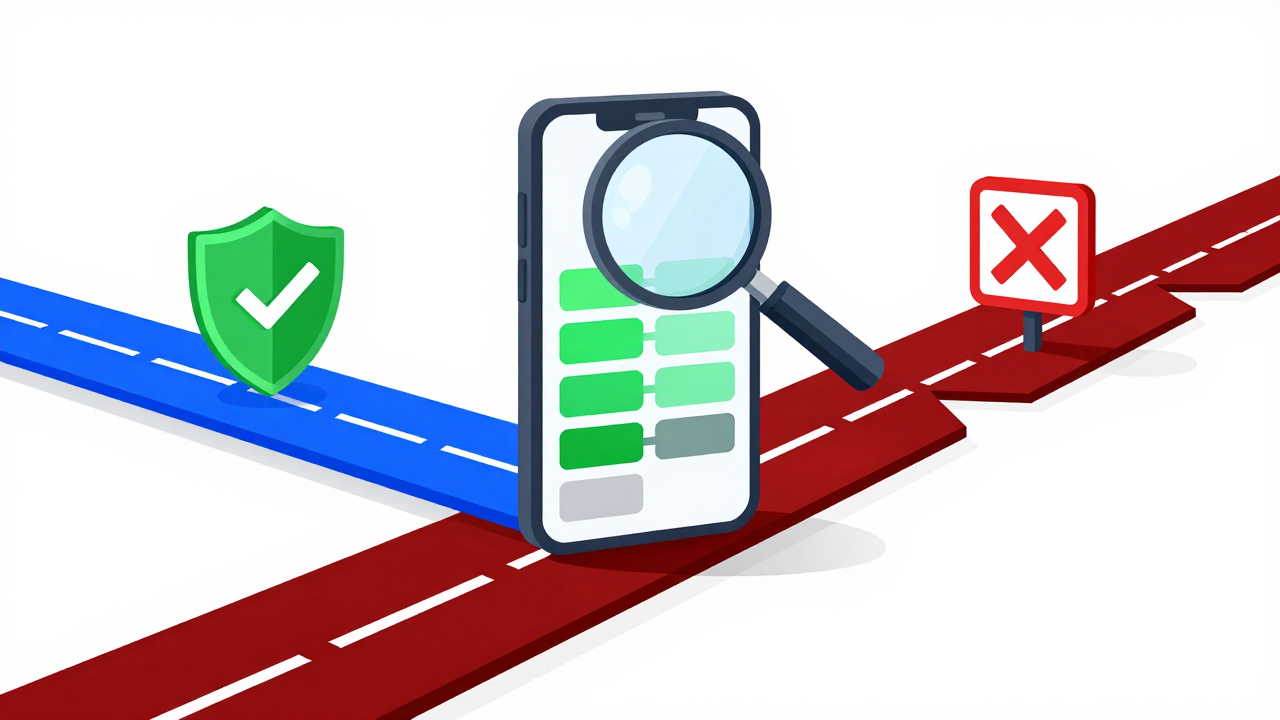
First, there's time cost—budget platforms often have incomplete documentation, leaving you to figure out the integration yourself. What should take hours can stretch into days. Then there's business risk cost—poor number quality leads to bans, which hits your user growth and brand reputation. Finally, there's opportunity cost—every hour you spend firefighting SMS issues is an hour you're not spending on product and growth.
When you factor in all these hidden costs, many cross-border operators find that budget platforms actually end up costing 20–40% more than established ones.
One Detail Everyone Overlooks: The Compliance Line
SMS verification platform integration also brings up an unavoidable topic—compliance. Regulations around virtual number registration vary wildly across countries, and some jurisdictions explicitly prohibit using SMS verification platforms to sign up for local services.
Here's a pattern I've observed: teams targeting Southeast Asian markets habitually use US or European number blocks to register local platforms. The result? Not only do those accounts get banned, but their primary accounts get caught in the crossfire. That's a lesson every cross-border operator should take seriously.
Before you integrate, spend some time researching the regulatory landscape in your target markets. Don't wait until your accounts are suspended to start asking why—by then, it's usually too late.
The Bottom Line: Test Small First, Then Commit Long-Term
When it comes to SMS verification platform integration, patience pays. No matter how impressive a platform's pitch sounds, start with a small batch test—put in around $100, try different number blocks, track survival rates and response times for about a week, and only then decide whether to scale up.
This approach might seem conservative, but it filters out over 90% of the traps out there. At the end of the day, the whole point of SMS verification platform integration is to make your operations run smoother—not to add more headaches.
I hope this insider perspective helps you sidestep some of the pitfalls I've seen. If you've run into your own integration nightmares, drop them in the comments—let's help each other steer clear.
Frequently Asked Questions
What is SMS verification platform integration?
SMS verification platform integration means connecting your app or website to a third-party service that provides temporary phone numbers for receiving verification codes. It's commonly used by cross-border businesses to register accounts on overseas platforms without needing local SIM cards.
How much does SMS verification platform integration cost?
Pricing varies widely depending on number quality and volume. Budget platforms might charge a few cents per SMS, while premium services with dedicated numbers can cost 30–50% more. Most platforms offer tiered pricing, and it's wise to start with a small prepaid amount to test before committing.
Why do my accounts keep getting banned after SMS verification integration?
Account bans usually trace back to shared number pools or flagged number blocks. If a number has been used by many people to register the same platform, risk controls will mark it as suspicious. Switching to a platform with dedicated numbers and rotation strategies typically resolves this.
Is SMS verification platform integration legal?
Legality depends on your target market. Some countries restrict or prohibit using virtual numbers for registering local services. Always research the regulations in the markets where you operate, and avoid using numbers from unrelated regions for local registrations.
What's the best SMS verification platform for cross-border business?
There's no one-size-fits-all answer, but platforms with dedicated number blocks, transparent survival rate reporting, and responsive support—like Getfollow—tend to perform well. Always run a small batch test before scaling up your usage.