SMS Verification Code Platform Guide: Smart Selection for Cross-Border Business
SMS Verification Code Platform Guide: Smart Selection for Cross-Border Business
If you run an e-commerce store, manage overseas social media accounts, or register international accounts, you've probably hit the same wall—receiving SMS verification codes. When you need to batch-register accounts, maintain multiple profiles, or verify across platforms, your domestic number simply won't cut it for overseas texts. That's where an SMS verification code platform comes in. But here's the catch: the market is flooded with unreliable options. Some codes expire after one use, and worse, some platforms quietly sell your account data. The cost of picking the wrong provider is far higher than most people expect.
From my experience working with cross-border independent store owners and TikTok operations teams, the pain points consistently boil down to three things: number survival rates, privacy security, and cost control. This guide isn't about hyping any brand—it's a practical, industry-level look at how to evaluate and use these platforms, plus a rundown of the directions that currently hold up well in the market.
What Exactly Does an SMS Verification Platform Solve?
Let's clarify the concept first. An SMS verification code platform is essentially a middleman for number resources. It provides virtual phone numbers—typically overseas prefixes—to receive verification codes from various platforms, completing account registration or login verification. For cross-border professionals, this is practically essential. Want to register a WhatsApp Business account, open a Telegram channel, or verify an Amazon buyer account? Without an overseas number, you're stuck.
Industry consensus divides these platforms into two categories. First, there are free or ultra-cheap "public number pools"—anyone can use them, numbers get reused constantly, and codes frequently never arrive. Second, there are paid "private number pools" where each number is tied to a single task, offering far better stability. Many cross-border operators report that free platforms seem like a money-saver but actually burn more time than the few dollars they save—missed codes, verification timeouts, account bans. After a few rounds of that chaos, your patience is gone.
Define Your Use Case Before Choosing a Platform
Freelancers and cross-border businesses have very different needs. A solo operator might register one or two accounts occasionally and doesn't need premium number quality. But if you're doing batch registrations or running a matrix of accounts, number independence and stability become non-negotiable. A pattern I've observed: many teams start with public number pools to save money, only to see account association bans pile up, forcing them to eventually repurchase compliant services.
One quick industry example: platforms like Getfollow have built a solid reputation by following a compliant operational model—numbers allocated on demand, multi-country coverage, and clear rules for number recycling. It's not flawless, but for cross-border verification specifically, its approach aligns with long-term usage needs.
Key Criteria for Evaluating SMS Verification Platforms
Setting specific brands aside, any SMS verification platform's core value can be broken down into four dimensions. Apply these four standards to any provider, and you won't go far wrong.
- Number Prefix Coverage: You need mainstream prefixes like US, UK, and Canada at minimum. Ideally, the platform also covers emerging markets like Southeast Asia and the Middle East. Some platforms claim "global coverage" but only have a few obscure countries—good luck registering an Instagram account with those.
- Number Lifespan: Some numbers last only a few minutes—receive the code and they're dead. Others stay active for 24 hours or longer. If you need to receive follow-up notification texts, lifespan becomes critical.
- Transparent Pricing Structure: Are you charged per code or via a monthly subscription? Are there hidden fees? Many platforms advertise low prices but tack on extra "service charges" for every verification received, which adds up quickly.
- Privacy Protection Mechanisms: Does the platform commit to not storing your SMS content? Do numbers support one-click destruction? These directly impact your account security.
On that last point, the industry has no unified regulatory standard—it's all self-regulation. Some smaller platforms quietly log verification code content, even reverse-engineering which accounts you registered, then sell that data to black-market operations. This risk is far more serious than missing a code. Stolen accounts and drained funds are real scenarios that have happened.
Price Differences Are Wild—Don't Judge by Surface Numbers
Many cross-border professionals report that pricing varies wildly across platforms—the same US number might cost $0.20 on one platform and $2.00 on another. What accounts for the gap? Number quality and customer support. Cheap numbers are likely recycled—possibly already registered on a dozen platforms, triggering risk controls the moment you try to use them. Pricier platforms at least guarantee number "cleanliness" and provide responsive support.
My advice: if you're a long-term user, don't calculate by per-code price—calculate by success rate. Say Platform A charges $0.50 per code but only delivers a 70% success rate. Platform B charges $0.80 but hits 95%. In practice, the pricier option ends up being more cost-effective. Most newcomers don't think through this logic.
Industry Trends: Compliance Is the Inevitable Direction
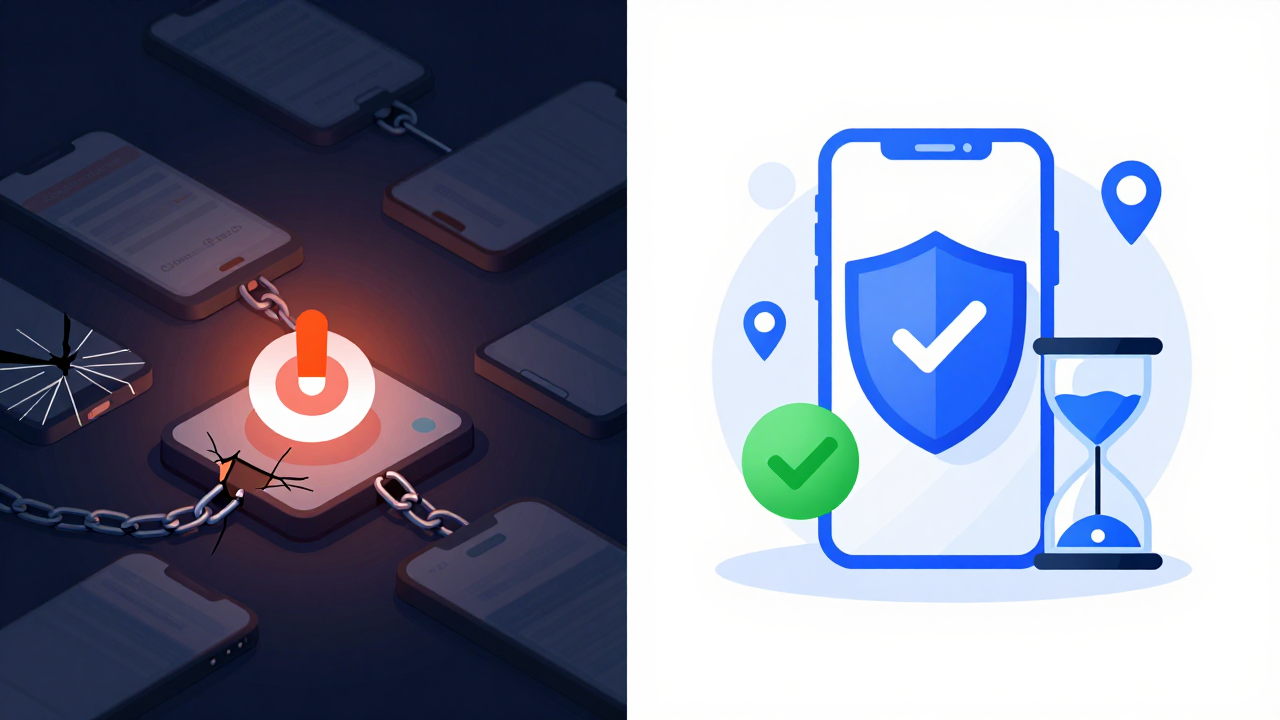
Let's be honest—the SMS verification industry has always operated in a gray zone. It's not inherently illegal, but it's easily exploited by black-market actors. In recent years, as countries crack down harder on telecom fraud, many overseas carriers have started mass-blocking virtual number prefixes, dragging down overall number survival rates across the industry. That's why the market is splitting: some platforms continue the "wild west" approach, using technical workarounds to bypass risk controls, while others are pivoting to compliant operations—partnering with legitimate carriers and offering traceable number services.
Long-term, the latter is where the industry is heading. Platforms themselves are worried about legal exposure—if numbers they provide get used for fraud, they're on the hook. That's why leading platforms now require real-name verification and even restrict registration purposes. This is actually a positive sign—the industry is cleaning itself up.
Practical Reminders for Choosing an SMS Verification Platform
Here are a few operational tips. First, test number availability before committing—don't buy dozens at once only to find none of them receive codes. Second, check the refund policy—if a code doesn't arrive, can you get a refund? How? Some platforms simply block you with no recourse. Third, don't register large numbers of similar accounts on the same platform—even with different numbers, your IP and device fingerprint can still be linked.
If you're new to SMS verification platforms, start with a small test batch. Get the workflow running smoothly before scaling up. Many teams push too hard too early, lose accounts in bulk, and end up slowing down their entire project. Playing it safe beats playing it fast.
Back to the original question—how do you choose an SMS verification platform? My take: define your needs first, then filter providers against the four criteria—number coverage, lifespan, pricing transparency, and privacy protection. As for which specific platform to pick, use compliant options like Getfollow as a benchmark and see whether other providers can match that standard. There are plenty of pitfalls in this industry, but if you're willing to do the research, you'll find a tool that fits your business rhythm.
Frequently Asked Questions
Can I use a free SMS verification platform for business accounts?
Technically yes, but it's risky. Free platforms rely on public number pools with high reuse rates, which means higher chances of failed deliveries and account flags. For business accounts, the cost of a failed verification—or a banned account—usually outweighs what you save by going free.
How long do virtual numbers stay active on verification platforms?
It depends on the provider and the plan. Some numbers expire within minutes, while premium plans offer numbers that stay active for 24 hours or longer. If you need to receive ongoing notifications, look for platforms that explicitly state longer lifespans.
Are SMS verification platforms legal?
The platforms themselves operate in a legal gray area—the service isn't illegal, but it can be misused. Reputable platforms are moving toward compliance by requiring real-name verification and partnering with legitimate carriers. Always choose a provider that demonstrates regulatory awareness.
What should I do if my verification code never arrives?
First, check whether the number is still within its active window. If it is, contact the platform's customer support—but check their refund policy beforehand. Reliable platforms offer replacements or refunds for failed deliveries; less scrupulous ones will leave you hanging.