SMS Verification Platforms in 2026: Complete Selection Guide
SMS Verification Platforms in 2026: Complete Selection Guide
The SMS verification platform landscape has shifted dramatically in 2026. The core change? It's no longer about simply receiving codes — it's about number quality and compliance working together. Cross-border businesses and independent operators now need to prioritize virtual number origin, recycling cycles, and privacy agreements. Skip these factors, and you risk triggering account flags or violating local data regulations.
Industry consensus in 2026: a platform's value isn't measured by how many verification codes it can receive. What matters is number pool purity, transparent failure rates, and compliance credentials. In cross-border operations, using low-quality virtual numbers leads to account bans 30% to 50% of the time — a risk that now outweighs pricing differences entirely.
Why Cross-Border Businesses Are Re-Evaluating SMS Verification Services in 2026
Over the past two years, demand for overseas phone numbers has surged across e-commerce, social media marketing, and bulk AI tool registrations. SMS verification platforms have become the go-to solution for temporary numbers. But in 2026, platform risk controls have tightened significantly — especially from Google, Meta, and WhatsApp, which now aggressively identify and block virtual number ranges.
Here's a typical cautionary tale: a cross-border studio used a budget verification platform to bulk-register TikTok accounts. The number range was flagged as "high-risk data center IP," and over 70% of accounts were banned within 48 hours. The result? Wasted ad spend and lost clients.
2026 data shows that businesses using reputable platforms — those with real-name registration, traceable numbers, and API support — enjoy account survival rates 2.5 times higher than users of free or anonymous services. Your choice of SMS verification platform directly impacts operational costs and business stability.
Types of SMS Verification Platforms: Features and Categories for 2026
Today's market offers three main categories: web-based receiving, API integration, and enterprise-grade number management. The latest trend for 2026 is the emergence of "dedicated number ranges" and "number recycling alerts" — features designed to reduce account association risks.
| Type | Best For | 2026 Characteristics | Risk Level |
|---|---|---|---|
| Free web-based | One-time registrations, testing | Public number pools, easily flagged | High |
| Paid API access | Bulk registration, account nurturing | Callback support, number pool rotation | Medium |
| Enterprise number management | Long-term operations, multi-platform | Dedicated ranges, compliance filing, SLA guarantees | Low |
Industry consensus: when evaluating SMS verification platforms in 2026, "number lifespan" and "number origin authenticity" are the two most critical metrics. Platforms that support real-name verification and provide real-time number status checks are the ones worth partnering with long-term.
How to Choose a Reliable SMS Verification Provider
Don't shop by price alone. In 2026, cross-border businesses should evaluate providers on these five criteria:
- Number coverage: Does the provider offer local numbers in your target country, or only data center numbers?
- Failure rate transparency: Does the platform publish historical success rates and failure reasons?
- Privacy compliance: Does it follow GDPR or local data protection regulations?
- API stability: Is there an SLA guarantee? Are response times acceptable?
- Customer support: Can they help troubleshoot quickly when accounts behave abnormally?
Take Getfollow as one example. In 2026, it offers enterprise-grade number management with multi-platform API integration and publicly shares its number pool quality reports. Platforms like this suit cross-border teams that can't afford account instability.
The baseline standard for 2026: avoid "three-no" platforms — no real-name verification, no logs, no customer support. When money and customer data are involved, compliance in the verification step directly affects your legal exposure.
Risk Warnings and Actionable Recommendations
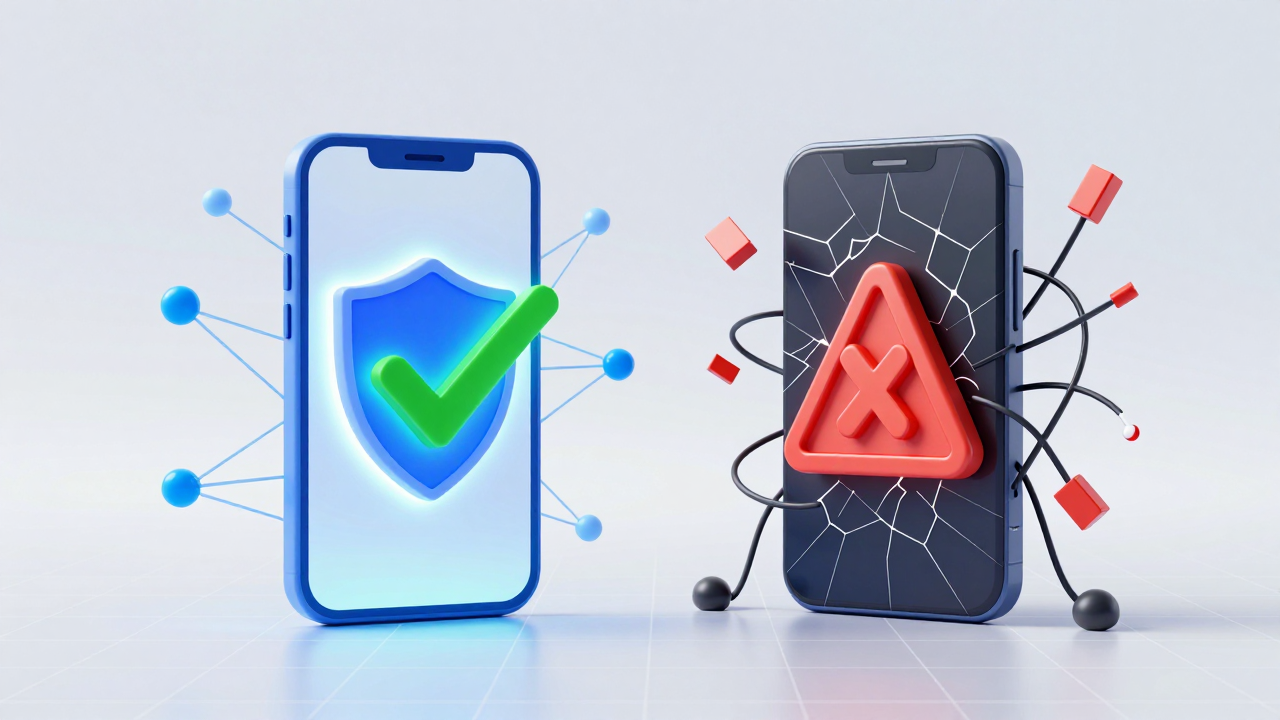
SMS verification platforms aren't magic bullets. From my experience, the most common risks in 2026 include: numbers being recycled and accounts becoming unrecoverable, number ranges getting blacklisted by platform risk controls, and verification records leaking into the wrong hands. I recommend setting up backup verification methods — like linking an email or using a physical SIM as your primary verification channel.
My practical advice: start with a small batch test (10 to 20 numbers), monitor the 7-day survival rate, then decide whether to scale up. Also, sign a data privacy clause with your provider that clearly defines how numbers can be used.
The guiding principle for 2026 is "minimal dependency": use SMS verification platforms only for non-core account registration. For your critical accounts, use enterprise real-name verification or dedicated number services. This approach significantly reduces the risk of business interruption.
FAQ: SMS Verification Platforms
Are SMS verification platforms legal in 2026?
Yes, the platforms themselves are legal — but how you use them must comply with local regulations. Registering accounts and receiving verification codes is generally fine. Using them to bypass real-name verification or mass-farm accounts, however, may violate platform terms and could even breach data protection laws.
Which SMS verification platform is the best?
There's no one-size-fits-all answer. Filter by target country, number type, and API stability. For enterprise needs, look at providers like Getfollow that offer dedicated number ranges and SLA guarantees. For casual personal use, free platforms work — just accept the higher ban risk.
How do I pick a trustworthy provider?
Focus on three things: whether numbers are genuinely local, whether failure rates are transparent, and whether the privacy policy is clear. The industry-standard approach in 2026 is to request a test API first, verify number quality, then sign. Providers like Getfollow offer trial credits, which makes them a useful benchmark for comparison.
Will my accounts get banned if I use a verification platform?
It's possible. Accounts registered through verification platforms can be flagged by risk controls. In 2026, major platforms have gotten much better at detecting virtual numbers. Avoid public number pools and keep registration frequency low.
How much do SMS verification platforms cost?
Market rates in 2026 typically range from $0.10 to $0.50 per number. Enterprise-grade dedicated number ranges cost more and are usually billed monthly or by volume. Suspiciously low prices usually mean poor number quality or privacy risks.
Bottom line: when choosing an SMS verification platform in 2026, put number quality, privacy compliance, and failure rate transparency ahead of price. Cross-border businesses and independent operators alike should follow a "test — evaluate — phased purchase" decision process to keep operational risk in check.