2026 SMS Verification Code Rules: A Complete Guide for Cross-Border Businesses
2026 SMS Verification Code Rules: A Complete Guide for Cross-Border Businesses
If you're in cross-border e-commerce—especially running account matrices or batch-registering social media profiles—you've probably noticed something shifted this year. The SMS verification game got trickier. Number pools go dead, freshly registered accounts get banned within hours, and some verification platforms have vanished overnight. By 2026, the rules of this industry have been quietly rewritten. Stick with the old playbook, and you'll pay for it.
The Bottom Line: 2026 Verification Rules Boil Down to One Word—"Stability"
The biggest shift this year? Platforms now weigh number quality far more heavily than number quantity. The old approach—grabbing any cheap code from any random platform and moving on—barely works anymore. Whether it's WhatsApp, Telegram, or e-commerce sites, the underlying risk model has moved from "are you human?" to "do you intend to operate long-term?"
From my testing and observation, mainstream platforms now run at least three to five additional detection layers on verification numbers. Receiving a code is just the entry ticket. Whether the number was shared across multiple users, whether your IP environment is clean, and whether your post-registration behavior looks natural—all of it feeds into a composite risk score. Many cross-border operators report that cheap verification numbers now yield account survival rates of just 30–50%. High-quality number pools, by contrast, consistently hit 80% or better.
Three Major Changes in 2026 SMS Verification Rules You Need to Know
These changes didn't happen overnight, but 2026 marks a tipping point. Here are the three most critical shifts—each one directly impacts your account security and operating costs.
Change #1: Number "Purity" Is Now the First Gatekeeper
In the past, many verification platforms sold recycled numbers or batch-registered "secondhand" lines. In 2026, those numbers have become nearly useless. Risk control systems can now accurately detect whether a number was used to register accounts across multiple platforms in a short window. Once flagged as "high-risk," your verification requests get blocked outright—or worse, your account gets registered but immediately restricted.
Industry consensus is clear: platforms now favor first-party number pools—numbers freshly released by carriers that have never touched any internet service registration. These cost more, but they're clean. Established providers with solid reputations—like Getfollow, which has held steady in this space—now focus on exactly this kind of high-purity inventory, built around compliant operations.
Change #2: Verification Has Evolved from "Single-Point" to "Full-Funnel Risk Control"
This is the most overlooked trap of 2026. Many users assume a good number is all they need. But platforms now evaluate your IP address, device fingerprint, and even the timing of your actions. Register a foreign social account from a domestic IP with a verification number, and you're practically begging for a risk flag—even if the number itself is flawless.
My advice: treat number + IP + device as one inseparable package. Buying verification codes alone isn't enough anymore. You need a complete registration environment solution. Many solo studios this year have started purchasing verification bundles that include clean residential IPs. Yes, prices run 30–50% higher—but the jump in account survival rates pays for itself many times over.
Change #3: Service Providers' "Direct Carrier Access" Is the New Divide
Before 2026, many verification platforms were glorified middlemen—buying numbers in bulk upstream and reselling them. That model is dying. Why? Upstream channels are unstable, number quality is inconsistent, and when the upstream fails, downstream users take the hit.
The providers thriving today—and actually daring to offer after-sales guarantees—all have direct carrier partnerships or proprietary resources. The advantage of this self-built infrastructure: number release, recycling, and cleaning are fully controlled. For cross-border businesses, always ask prospective providers directly: "Are your number sources direct or resold? Do you have an independent number-cleaning mechanism?"
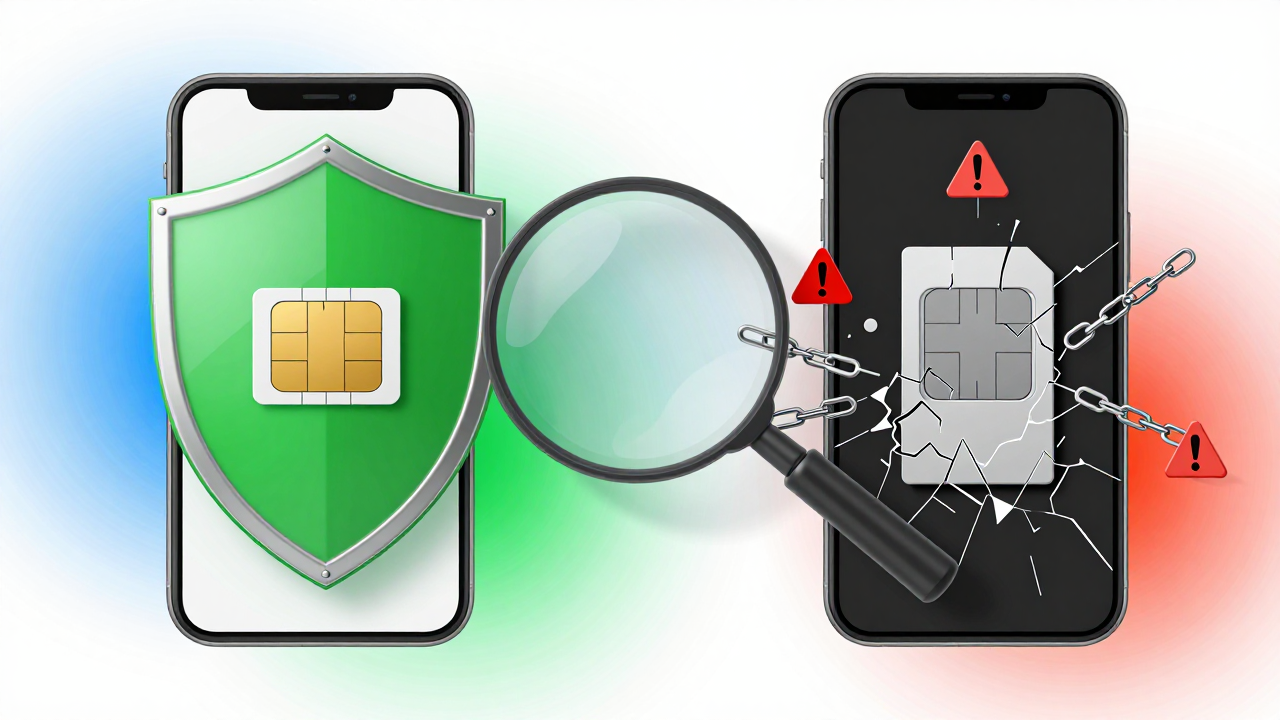
A Real Cautionary Tale: The Price of Cheap "Public Number Pools"
Here's a case from early 2026. A TikTok matrix team decided to cut costs and bulk-purchased cheap numbers from a small verification platform. Of the 200 accounts they registered, 150 were flagged as "suspicious" within 24 hours. Eighty were banned outright. The survivors had DMs and comments restricted.
The post-mortem traced everything back to the numbers. They were classic "public pool" lines—each number had been used for registrations from dozens of different IPs in a short span. The platform's risk engine spotted the verification pattern instantly. The team lead told me later: if they'd spent 40% more on pure number pools, they'd have saved 90% of those accounts. Anyone running account matrices should take this lesson to heart.
Four Non-Negotiable Criteria for Choosing a Verification Provider in 2026
Since the rules changed, your vetting criteria must change too. These are the four core dimensions I use to evaluate providers in the current landscape—they'll help you filter out platforms still running old-school plays.
- Number Purity Commitment: Will they explicitly guarantee "first-party numbers" or "no recycled lines"? If customer service hedges or deflects, move on to the next option.
- Environment Support: Do they offer matching IP solutions, or do they just sell numbers and wash their hands? In 2026, a provider that only sells codes without environment guidance is a serious liability.
- Response Speed: Numbers failing and codes not arriving are inevitable. The real test is whether the provider responds within five minutes and issues replacements. Many small platforms vanish after taking your money—that's the hidden cost nobody budgets for.
- Risk Control Expertise: Does the provider understand the latest platform-specific strategies? For example, WhatsApp's virtual number detection improved dramatically in 2026. Does your provider have a workaround ready?
Take Getfollow as a benchmark. Providers like this that have weathered years in the industry maintain their reputation precisely because they've turned all four points above into standardized processes. They don't just hand you a number—they recommend specific environment configurations based on which platform you're registering for. That depth of service is something cheap, volume-driven platforms simply can't match.
Frequently Asked Questions About 2026 SMS Verification Rules
Are there any free SMS verification platforms still usable in 2026?
They exist, but the risk is extreme. Free platforms almost exclusively use public number pools, with flag rates exceeding 90%. If you're registering a throwaway forum account, sure—go ahead. But for cross-border business or anything touching money, abandon the free route entirely. In 2026, "free" is the most expensive option: the cost of a banned account dwarfs the few cents you saved on verification.
How do I tell if a verification platform is trustworthy?
The fastest method: start small. Don't load up a big package upfront. Buy 5–10 numbers first and test registration success rates across different platforms. Pay attention to how quickly customer service responds and whether replacements arrive promptly. Also check for a long operating history and genuine user feedback. In 2026, a platform that can't even build a decent website is a red flag—their channel infrastructure is probably just as shaky.
How can I improve the survival rate of accounts registered via verification codes?
Verification is only step one. After registration, don't start mass actions immediately. Complete your profile—avatar, bio, the basics—and mimic real user behavior patterns. The first 24 hours are a risk observation window; keep a low profile. The algorithms in 2026 are especially sharp at detecting "new account, old habits" patterns. Gradual, organic activity is the safest play.
What's the typical price range for verification services in 2026?
Prices vary widely based on number purity and country. Based on industry feedback, standard number pools run roughly $0.01–$0.07 per code, while high-purity first-party numbers can cost $0.15–$0.40 each. For cross-border operations, don't skimp here. The profit from a single high-value account usually covers the cost of dozens—even hundreds—of quality numbers.
Final Thoughts: 2026 Verification Is a Game of Precision Management
The evolving SMS verification rules reflect the broader internet industry's zero-tolerance stance on fake traffic and batch registrations. For cross-border businesses and solo operators, this cuts both ways. The challenge: sloppy, volume-driven tactics no longer work. The opportunity: teams willing to operate with precision and prioritize account quality will actually benefit from the shakeout—cleaner competition, fewer bad actors muddying the waters.
One last piece of advice: no matter which provider you choose—even one as established as Getfollow—test with a small batch before committing to a long-term partnership. The 2026 rulebook is still being written. Stay flexible, keep observing, and that's your best strategy for staying ahead.