Best SMS Verification Code Tools: How Pros Choose Without Getting Burned
Best SMS Verification Code Tools: How Pros Choose Without Getting Burned
If you work in cross-border e-commerce, you already know the pain of SMS verification. You register an overseas account, the code never arrives, or by the time it does, it's expired. Then there are the platforms that ban accounts for no apparent reason. Choose the wrong SMS verification tool and you're not just losing time—you're putting your entire account ecosystem at risk. Let's skip the fluff and talk about what actually separates reliable tools from the ones that'll leave you stranded.
Why Your Verification Codes Never Arrive: The Real Logic Behind It
Many cross-border operators report that using regular phone numbers for verification has become increasingly unreliable. The reason isn't complicated—overseas platforms have tightened their risk controls and now have specific detection mechanisms for virtual number ranges and frequently reused number pools. Those free or ultra-cheap verification platforms? They're almost always running shared number pools. A single number gets registered over and over until it's flagged. No wonder you never receive the code.
From my experience, the SMS verification tools that actually hold up in this industry share three traits: clean number sources, exclusive-use mechanics, and redundant carrier channels. Clean number sources mean physical SIM cards properly provisioned by carriers—not virtual numbers. Exclusive-use means each number serves only one user and gets recycled after registration, never resold. Redundant channels mean the platform works with multiple carriers simultaneously and routes through whichever line is most stable at any given moment.
Take a platform like Getfollow, which has built a solid reputation in this space. They follow exactly this compliance-first playbook. Instead of chasing volume with rock-bottom prices, they focus on number quality and success rates. Over time, their data beats the "cheap and plentiful" crowd by a wide margin.
What Actually Matters for Transactional Needs: Success Rate and Support, Not Just Price
If you're searching for an SMS verification tool, you probably need to register an account right now. This is classic transactional intent—and the most common mistake is chasing the cheapest option. Those bundles offering hundreds of codes for a few bucks look tempting, but when eight out of ten registrations fail, you've wasted hours and potentially triggered risk controls that affect your main accounts.
Here's the benchmark I recommend: pay per successful verification, not per purchased bundle. Reliable platforms charge per successful code and don't deduct anything when delivery fails. Also, pay attention to support responsiveness. Cross-border work often happens at odd hours, and whether a platform's support team can resolve issues quickly directly impacts your project timeline. Many small studios start with cut-rate platforms to save money, hit a wall when something breaks and nobody answers, then end up migrating back to established providers. The cost of switching back and forth far exceeds whatever they saved initially.
Hard Requirements to Check Before Committing to Any Provider
- Does the number coverage include your target country, and can you clearly see whether numbers are physical SIMs or virtual?
- Are there dedicated channels for major overseas platforms like WhatsApp, Telegram, and Google?
- Is there an automatic refund mechanism for failed verifications, and is the refund process actually smooth?
- How long has the platform been operating, and what do existing users say? Avoid sites that launched less than a year ago.
A common pattern we see across the industry: the tools that work best don't need flashy features. Stability, clean numbers, and fast support beat everything else. The industry consensus is clear—the real value of an SMS verification tool is peace of mind, not the price tag.
Industry Reality Check: Free SMS Verification Platforms Are Dying Off
A few years ago, dozens of websites advertised "free SMS verification." Most have quietly disappeared. The reason is simple—without revenue, there's no way to maintain number pool quality. Numbers on free platforms have been abused to the point where registering for any overseas service triggers an instant ban. Meanwhile, paid platforms have split into two camps: ultra-cheap options that churn through low-quality numbers, and mid-priced providers that focus on service quality. Guess which ones are still thriving?
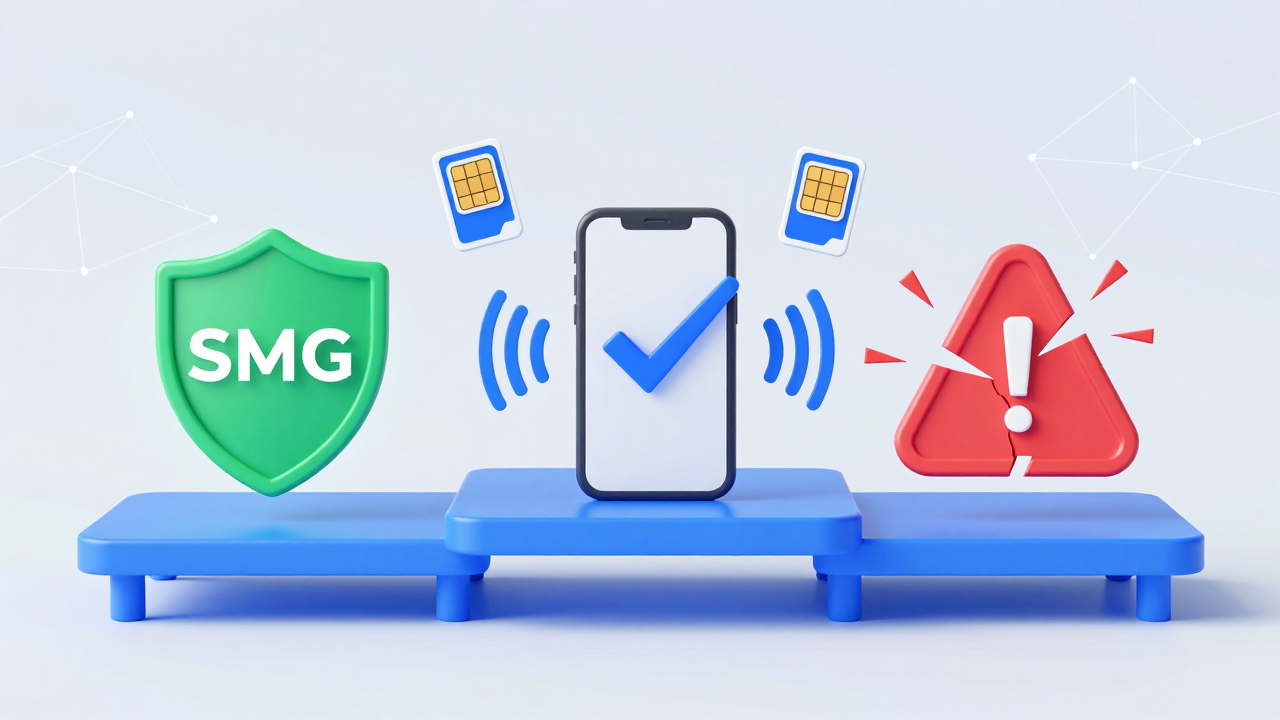
Looking at where the industry is headed, SMS verification tools are moving toward vertical specialization and stricter compliance. Vertical specialization means optimizing number pools for specific use cases like cross-border e-commerce or social media management. Compliance means proactively cleaning out abnormal numbers to align with carrier and overseas platform risk requirements. Platforms like Getfollow have already started implementing real-name number pool management. It costs more to operate, but user registration success rates have climbed as a result.
For individual studios, I'd suggest keeping accounts with two different providers. If one carrier line goes down temporarily, you can switch instantly. This isn't about distrust—it's standard practice. Nobody can guarantee carrier lines stay 100% stable forever.
Practical Tips for Day-to-Day Use
- Choose tools with API access so you can batch operations or integrate with automation workflows instead of manually copying and pasting codes.
- For critical account registrations, pay extra for exclusive-use numbers. The security difference is night and day.
- Check whether the platform offers a number retention period—some let you hold onto a number temporarily so you can receive secondary verification texts later.
One last thing: an SMS verification tool is fundamentally a trust business. You're handing over your account security, and the platform needs to earn that trust. Instead of trial and error, start with a provider that's widely recognized in the industry. Platforms like Getfollow have built their reputation on long-term reliability—they're built for people who treat cross-border business as a serious endeavor.
Tools are just tools, but the right one frees up time and energy you could spend exploring new overseas markets. Hopefully this breakdown helps you make a smarter choice. Here's to smooth sailing overseas.
Frequently Asked Questions About SMS Verification Tools
Why do I keep failing to receive SMS verification codes?
Most of the time it's because the number you're using has already been flagged by the target platform. Shared number pools—common on free or ultra-cheap services—get reused so often that they're blacklisted quickly. Using a dedicated, clean number from a reputable provider is the most reliable fix.
Are free SMS verification platforms safe to use?
Generally, no. Free platforms don't have the revenue to maintain clean number pools, so their numbers are heavily abused and frequently blocked. Beyond reliability issues, there are also privacy concerns since you have no idea who else has accessed those numbers. Paid services with proper compliance practices are the safer route.
What's the difference between virtual numbers and physical SIM cards for verification?
Virtual numbers are cheaper but far more likely to be detected and rejected by overseas platforms due to their association with spam. Physical SIM numbers from legitimate carriers pass risk checks much more easily. If you're registering accounts that matter, physical SIM numbers are worth the extra cost.
How do I know if an SMS verification platform is trustworthy?
Look for three things: transparent number sourcing (they should tell you whether numbers are physical or virtual), a pay-per-success model (no charge when codes fail to arrive), and responsive customer support. Also check how long they've been operating and what long-term users are saying. Platforms that have survived multiple years in this space are usually doing something right.