Receive SMS for Verification: The Overlooked Backbone of Cross-Border Business
Receive SMS for Verification: The Overlooked Backbone of Cross-Border Business
After years in cross-border e-commerce, I've watched too many teams stumble over something as basic as receiving SMS verification codes. You assume any random platform will do—then you hit number bans, verification codes that never arrive, or providers who vanish after taking your money. Behind this seemingly simple task lies a complex ecosystem of number resources, carrier channels, and compliance boundaries that runs far deeper than it appears on the surface.
Why SMS Verification Quality Determines Your Account's "Genetic Makeup"
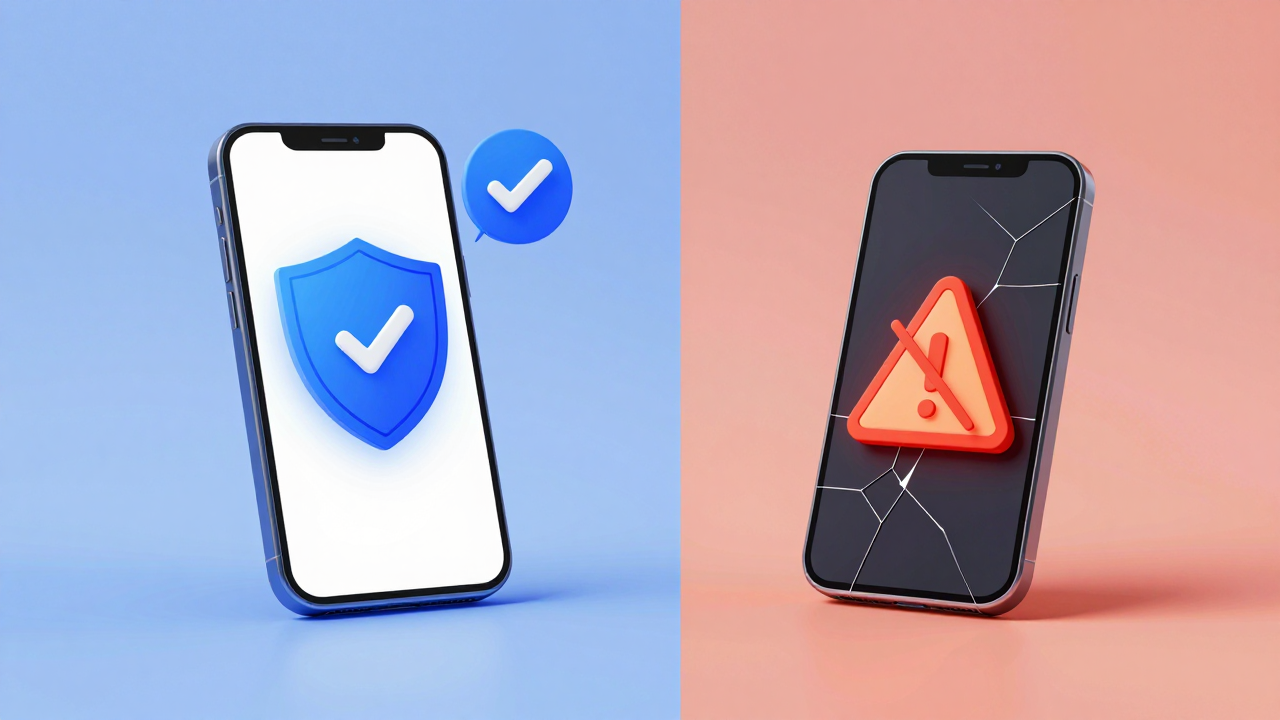
Many solo operators start with dirt-cheap public SMS verification services costing pennies per code. Registration succeeds, but then accounts keep dropping offline during login, or posts get throttled. Industry consensus holds that account authority is locked in from the very first second of registration—and the number you use for SMS verification sets that starting point.
From my own testing across several service tiers, one pattern stands out: providers offering "clean number segments" deliver significantly higher account survival rates. Clean numbers are phone numbers that haven't been mass-registered across social platforms or e-commerce sites. This resource is scarce and costs more—but it's worth every cent. Cross-border sellers consistently report that accounts registered with public numbers see retention rates between 30% and 50%, while clean numbers push that figure above 70%.
Here's a concrete cautionary tale: a TikTok Shop seller I know tried to cut costs by purchasing 50 codes from a budget platform to register buyer accounts. Within a week, over 30 accounts were flagged for "abnormal device environment" and permanently banned. After switching to a per-code provider that explicitly marketed "overseas native SIM card segments," the same workflow saw ban rates drop to single digits. That's the lesson: receiving SMS for verification isn't about "getting the code"—it's about "surviving after you do."
Industry Landscape: A Tiered Market Where Compliance Is the New Dividing Line
The SMS verification market today splits into three distinct layers. At the bottom sit pure utility tools—low prices, murky number pools, fine for one-off registrations but useless for ongoing account maintenance. The middle tier offers "semi-managed" services with API access, letting clients integrate directly into their own systems; number quality is acceptable, and these suit teams with technical chops. At the top, "compliance-first" providers supply not just numbers but also device environment simulation, IP rotation recommendations, and even analysis of platform risk-control logic.
Platforms like Getfollow have built the strongest reputation in this space precisely by following that compliance-first playbook. They don't promise "100% success"—instead, they make number origins, usage history, and current availability transparent so you can assess risk before you receive SMS for verification. That level of transparency is exactly what smaller platforms can't offer.
Three Details to Scrutinize When Choosing a Provider
- Does the number support "secondary verification"? Many platforms only handle one-time SMS, but apps like WhatsApp and Telegram require fresh codes for subsequent logins. A platform that supports ongoing reception is a platform with real resources.
- Is there a "fail-refund" mechanism? Not every verification code arrives successfully. Reputable providers automatically refund orders where the code never lands—no back-and-forth with customer support required.
- Are there usage duration limits? Some platforms restrict numbers to 24 hours, but certain workflows—like account warming—require long-term number ownership. Confirming this upfront saves you headaches down the line.
I've also noticed that since 2025, more providers are pushing "physical SIM cards" over "virtual numbers." The reason is straightforward: platform risk-control systems have gotten increasingly precise at identifying virtual number ranges. Physical SIMs cost more, but both the success rate of receiving SMS verification codes and long-term account stability take a measurable step up. For cross-border businesses playing the long game, that premium pays for itself.
Beyond account bans, there's another risk that often flies under the radar: privacy leakage. Some smaller platforms log the phone numbers used to receive verification codes and sell them in bulk to marketing firms. You might notice a sudden spike in spam emails after registering an overseas account. That's not a coincidence. Choosing a provider with a clear privacy policy and a verifiable industry track record matters more than anything else.
Your Final Pre-Purchase Checklist
If you're about to pick a provider for receiving SMS verification codes, don't rush to checkout. Spend ten minutes on three things. First, search social media for negative feedback about the platform—focus on the phrases "code never received" and "support unresponsive." Second, clarify whether numbers are "exclusive" or "shared." Exclusive numbers cost more but offer safety; shared numbers are cheap but you bear the risk. Third, buy the smallest test package—say, 10 codes—and measure success rate, delivery latency, and support response time before committing.
Industry consensus is clear: there is no "set-and-forget" solution for receiving SMS verification codes. Platform risk controls evolve, provider number pools shift, and what you need is a partner who adapts alongside your business—not a one-dimensional code vendor.
One final reminder: regardless of which provider you choose, test small before scaling up. This isn't just about controlling costs—it's about giving yourself an observation window. Account security is one area where the cost of trial and error is almost always higher than you expect.
Frequently Asked Questions
What is the best way to receive SMS verification codes for cross-border accounts?
The most reliable approach is using a compliance-first provider that offers clean, exclusive numbers with transparent usage history. Look for platforms that disclose number origins, support secondary verification, and offer automatic refunds for failed deliveries. Physical SIM-based services generally outperform virtual numbers for long-term account stability.
Why do my accounts get banned after registering with SMS verification?
Most bans trace back to low-quality number pools. Public or shared numbers are often flagged by platform risk-control systems because they've been used for mass registrations. The solution is switching to clean, exclusive number segments—even if they cost more per code, the survival rate improvement is dramatic.
Are cheap SMS verification services worth it?
For one-off, disposable registrations, budget services might suffice. But for any account you plan to maintain, grow, or monetize, cheap services typically lead to higher ban rates, delayed codes, and zero support. The hidden costs of account loss almost always exceed the savings.
How can I test a verification service before committing?
Start with the smallest available package—around 10 codes. Track three metrics: success rate (codes actually received), delivery time, and customer support responsiveness. Also search for independent reviews mentioning "code not received" or "unresponsive support." This 10-minute due diligence prevents costly mistakes.