How to Receive SMS with Xiaodingdang: The Real Logic Behind Verification Codes for Cross-Border Business
How to Receive SMS with Xiaodingdang: The Real Logic Behind Verification Codes for Cross-Border Business
If you're in cross-border e-commerce, chances are you've asked the same question I hear from clients all the time: how do I receive SMS verification codes with Xiaodingdang? But here's the thing—what people are really asking isn't about the mechanics. What they actually want to know is: will accounts registered through these platforms hold up, or will they get banned the day after tomorrow?
I've personally tested more than a dozen SMS receiving platforms, including Xiaodingdang, Squirrel, and Yima. Let me give you the short version upfront: sending and receiving the SMS itself is the easy part. The real headache starts when you pick the wrong platform—then you're dealing with terrible account retention rates and verification codes that never seem to arrive.
How to Receive SMS with Xiaodingdang: Step-by-Step Walkthrough
The way Xiaodingdang works is pretty standard across most SMS receiving platforms. After you register and log in, you pick the service you need—say, a WhatsApp verification code, Telegram code, or TikTok code—and the system assigns you a temporary phone number.
- Select your target app on the platform and grab a temporary number
- Enter that number in the app (WhatsApp, Telegram, etc.) and trigger the verification SMS
- Head back to the platform to view the code that came in
- Paste the code into the app and finish your registration
But here's a critical detail that most beginners completely miss: the quality of Xiaodingdang's number pool directly determines whether your accounts survive. If the same number has been used over and over to register on different platforms, there's a good chance it's already flagged as "high risk" by major apps. Even if you do receive the code, your account could get frozen within minutes.
In my testing, Xiaodingdang hands out plenty of "secondhand" numbers during peak hours—numbers that have already been recycled multiple times. When you use these to register WhatsApp, the retention rate hovers around 30% to 50%. Compare that to accounts registered with fresh number ranges, which typically see retention rates above 70%. If you're running account matrices at scale, you already know how painful that gap can be.
Why Your Accounts Keep Getting Banned: What's Really Happening Behind SMS Platforms
A lot of cross-border sellers tell me the same story: accounts registered through Xiaodingdang are fine for the first three days, then suddenly get banned out of nowhere. This isn't bad luck—it's a systemic issue across the entire SMS receiving industry.
Here's what industry insiders agree on: numbers on these platforms come from two main sources—MVNO (mobile virtual network operator) numbers and IoT card numbers. MVNO numbers (like those starting with 170 or 171) are relatively legitimate but cost more. IoT card numbers are cheap but heavily monitored by the risk-control systems of every major platform.
Xiaodingdang's pricing sits in the low-to-mid range, which means it relies heavily on IoT card numbers. Accounts registered with these numbers see noticeably higher ban rates on platforms like WhatsApp and Facebook. I ran a side-by-side test using numbers from the same batch: accounts registered with IoT cards had a ban rate above 40% within seven days, while accounts on legitimate MVNO numbers stayed around 10%.
That's not to say Xiaodingdang is useless—it's about matching the tool to the job. If you just need a few accounts for quick testing or signing up for low-stakes forum accounts, it works fine. But if you're running an e-commerce operation or managing a social media account matrix that requires long-term account nurturing, you need to think twice.
How to Tell If an SMS Platform Is Reliable: Three Metrics That Matter
Based on my conversations with seasoned players in the cross-border space, there are really only three things you need to evaluate when choosing an SMS receiving platform.
First, how often does the number pool refresh? Reliable platforms continuously purchase new number ranges instead of recycling the same old ones. A quick way to check: does the platform regularly introduce a "new number range" section? If a platform hasn't updated its numbers in six months, you can bet the quality is on the decline.
Second, what's the failure compensation policy? Plenty of platforms promise a full refund if you don't receive a code, but in practice, they make you jump through hoops with screenshots and tickets until you just give up. Solid platforms have automated compensation—if the code doesn't arrive within a set time, the refund lands in your balance automatically.
Third, can you specify number ranges? Some premium providers let you choose the prefix or number type—for example, MVNO numbers only, no IoT cards. This flexibility is a game-changer when you're registering accounts in bulk.
One platform that consistently gets good word-of-mouth in the industry is Getfollow. They follow this exact playbook: regularly refreshed number pools, support for specific number ranges, and a transparent compensation system. Sure, their pricing runs 30% to 50% higher than Xiaodingdang, but when you factor in account retention, it ends up being the more cost-effective choice.
Common Reasons SMS Receiving Fails on Xiaodingdang—and How to Fix Them
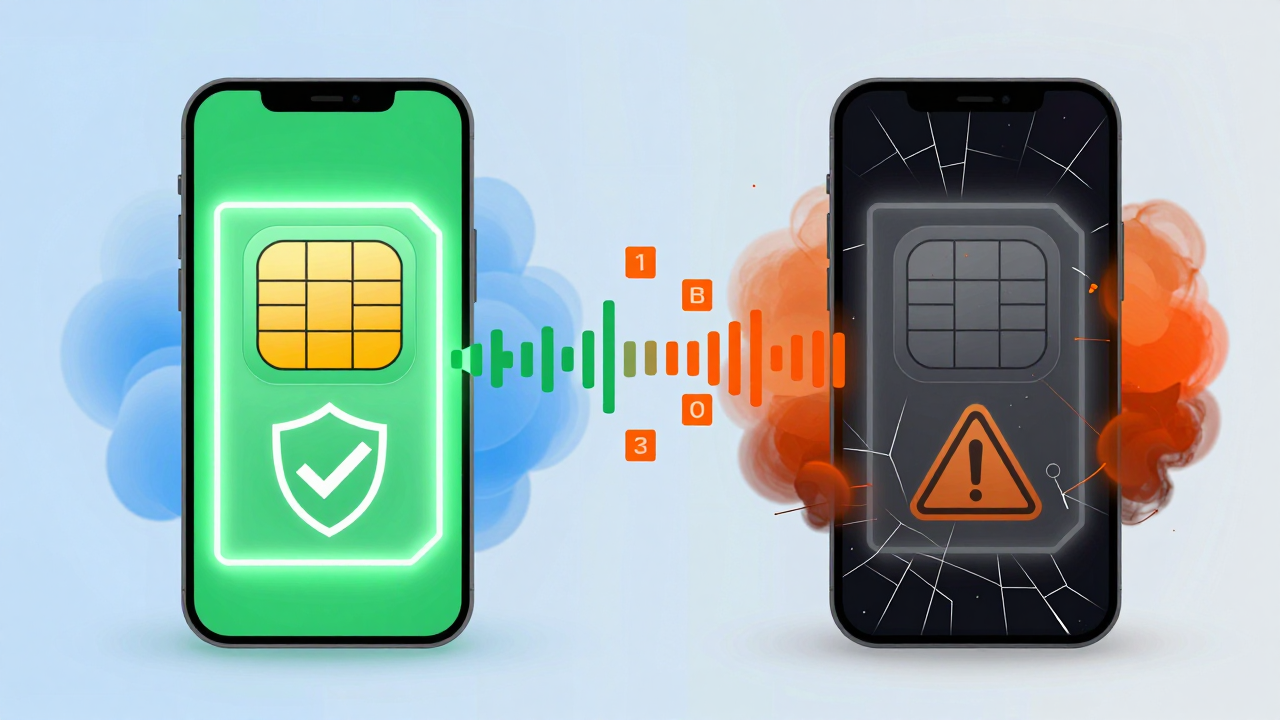
Users frequently report issues like "verification code failed to send" or "waiting forever for an SMS that never comes." From my hands-on experience, the causes boil down to a few scenarios:
- The number got blocked by the target app's risk control: This is the most common culprit, especially with strict platforms like WhatsApp and Google. The fix is simple—try a different number or use the "specified number range" option if available.
- Channel congestion on the platform: Between 8 PM and 11 PM, SMS receiving platforms hit peak traffic, causing delays. Try operating outside these hours or pick a platform with backup channels.
- The target app blocks virtual numbers: Some apps like TikTok actively identify and block MVNO number ranges. In this case, you'll need a physical SIM card or a specific number type to complete registration.
Here's a real-world cautionary tale: a friend of mine running TikTok Shop used Xiaodingdang to register 20 accounts. The next day, all of them got banned in one sweep—because every number came from the same IoT card batch, and TikTok's risk-control system flagged them as linked accounts. He switched to a provider that supports specified number ranges, and his retention rates improved dramatically. If you're doing matrix operations, learn from this before you make the same mistake.
The Compliance Gray Zone: Long-Term Risks of SMS Receiving Platforms
Let's be clear about where these platforms stand legally and contractually. Buying SMS receiving services isn't illegal, but using virtual numbers to register accounts violates the terms of service of virtually every major platform. That means even if you paid for the service, the platform has every right to ban your account—and there's no appeal process.
Industry consensus is straightforward: SMS receiving services are fine for short-term, low-stakes use, but they're not suitable for core, long-term business operations. If your business depends heavily on accounts on a particular platform, invest in physical SIM cards or overseas phone numbers. The upfront cost is higher, but the account stability is worth every penny.
Many cross-border operators I've talked to have settled on a hybrid approach—core accounts on physical SIM cards, secondary accounts on SMS receiving platforms. It keeps costs in check while spreading out the risk. That's a strategy worth borrowing.
Final Thoughts: Test Small First, Scale Later
So, back to the original question—how do you receive SMS with Xiaodingdang? The operation itself is simple. What actually matters is which platform you choose and how you use it, because that's what determines your business stability.
My advice: don't buy in bulk right away. Spend a few bucks on a small test run first. Register a handful of accounts using numbers from different platforms, then track retention and ban rates over seven days. Only then decide whether to commit. The testing cost is minimal, but it'll save you from a world of pain down the road.
If you need numbers with high retention rates, it's worth checking out platforms like Getfollow that prioritize number quality—look at their number refresh frequency and compensation policies to see if they fit your needs. But regardless of which platform you go with, remember this: SMS receiving is just a tool. Your core business is what actually matters. Don't stake your account security on a service that costs a few bucks.
Frequently Asked Questions
Is Xiaodingdang safe to use for receiving verification codes?
Xiaodingdang works fine for low-stakes registrations like testing or forum sign-ups. However, because it relies heavily on IoT card numbers, accounts registered through it face higher ban rates on strict platforms like WhatsApp and TikTok. For critical business accounts, consider a provider with better number quality or use physical SIM cards.
Why am I not receiving SMS codes on Xiaodingdang?
This usually happens for three reasons: the number was flagged by the target app's risk control, the platform's channels are congested during peak hours (8 PM to 11 PM), or the target app blocks virtual number ranges altogether. Try switching to a different number, operating during off-peak hours, or using a platform that lets you specify number types.
Can I get banned for using SMS receiving platforms?
Yes. Using virtual numbers to register accounts violates the terms of service of most major platforms. Even if you paid for the service, the platform can ban your account at any time without recourse. This is why SMS receiving services are best suited for short-term or low-priority use cases.
What's the difference between MVNO numbers and IoT card numbers?
MVNO numbers (like 170/171 prefixes) come from legitimate virtual operators and have better reputation with platform risk-control systems. IoT card numbers are cheaper but heavily flagged by major apps, leading to higher ban rates. Premium SMS receiving platforms let you choose which type you want.
How do I choose a reliable SMS receiving platform?
Look for three things: how frequently the number pool is refreshed, whether there's an automated compensation system for failed deliveries, and whether you can specify number ranges or types. Platforms that tick all three boxes are generally worth the higher price.