Telegram SMS Verification: The Hidden Must-Have for Cross-Border Business
Telegram SMS Verification: The Hidden Must-Have for Cross-Border Business
Anyone working in cross-border business knows the drill: registering Telegram accounts, warming them up, and managing multiple communities—every step depends on SMS verification. It looks simple on the surface, but there's a lot more going on beneath the hood. I've seen more than a few teams lose entire batches of accounts because their verification service was unreliable. The damage isn't just the accounts themselves—it's all the time and effort spent warming them up and building content around them.
Here's the bottom line: Telegram SMS verification isn't just about "receiving a code." What really matters is the balance between number quality, recycling cycles, and success rates. Too many teams chase the cheapest price, only to find out the numbers they bought were already flagged by the platform's risk controls. They register one, lose one—false economy at its finest.
Why Telegram Verification Demands a Higher Standard From Providers
Telegram's risk control logic works differently from what you might be used to with domestic platforms. It doesn't just look at your IP address and device fingerprint—it analyzes the behavioral history of the phone number itself. Industry consensus is clear: if a number was previously used for mass registration or bulk messaging, it's already sitting in the "blacklist pool." Try to register a fresh account with it, and your success rate drops off a cliff.
Cross-border operators have repeatedly reported that many verification platforms resell the same cheap number pools. You might receive a number that's already been used for three or more registrations by previous customers. Even if you get the verification code, that account won't survive the week.
I've personally tested several types of providers, and a clear pattern emerged: stable platforms typically grade their number pools by "cleanliness" instead of selling everything in one undifferentiated batch. Some platforms clearly label the difference between "fresh numbers" and "recycled numbers." The price gap can be two or three times, but fresh numbers consistently show retention rates above 70%, while recycled numbers often struggle to hit 40%.
The Real Cost Structure of SMS Verification: Don't Just Look at Unit Price
Many teams love comparing unit prices, thinking a few cents per code is a steal. But when you do the math on total cost, the hidden expenses are eye-watering. Here's a typical breakdown:
- Budget codes ($0.01–$0.02/code): 50–60% success rate, requires repeated purchases, burns time
- Mid-tier codes ($0.03–$0.05/code): 70–80% success rate, relatively clean numbers, solid for daily account warming
- Premium clean codes ($0.08–$0.18/code): 90%+ success rate, ideal for bulk registration or high-value accounts
Teams across the industry report the same finding: if you only count the cost of the one successful registration, budget codes look cheaper. But factor in failed retries and the cost of re-warming accounts after bans, and mid-to-high-tier codes win hands down. It's a lesson many teams only learn after six months of bleeding money.
Response speed is another make-or-break factor. Telegram verification codes typically expire within minutes. If a platform is slow to deliver, or the number pool is full of "busy" lines, you're stuck watching the clock. There's an unofficial industry benchmark: if the code doesn't arrive within 60 seconds of the request, consider it a failure—because the code has likely already expired by the time you get it.
Industry Shift: Compliant Operations Are Becoming the New Divide
The SMS verification market was a mess a couple of years ago. Plenty of platforms were peddling numbers sourced from black-market operations, and users didn't care where they came from. But since 2024, with Telegram tightening its risk controls and countries cracking down on phone number registration requirements, the industry has been going through a serious shakeout. Platforms still using outdated methods and refusing to distinguish number sources are quietly disappearing.
Right now, platforms like Getfollow have built a solid reputation by following this compliant playbook—grading number pools by source, connecting to legitimate IoT card channels, and offering API access for bulk operations. I've noticed these platforms tend to be transparent about a number's usage history, letting users assess the risk themselves instead of hiding the details.
That's not to say Getfollow is the only option. A few other providers are doing similar things. But as a general rule, a provider willing to explain its number sourcing and risk control logic is far more trustworthy than one that just screams "cheap and instant."
A Cautionary Tale: One Team's Costly SMS Verification Mistake
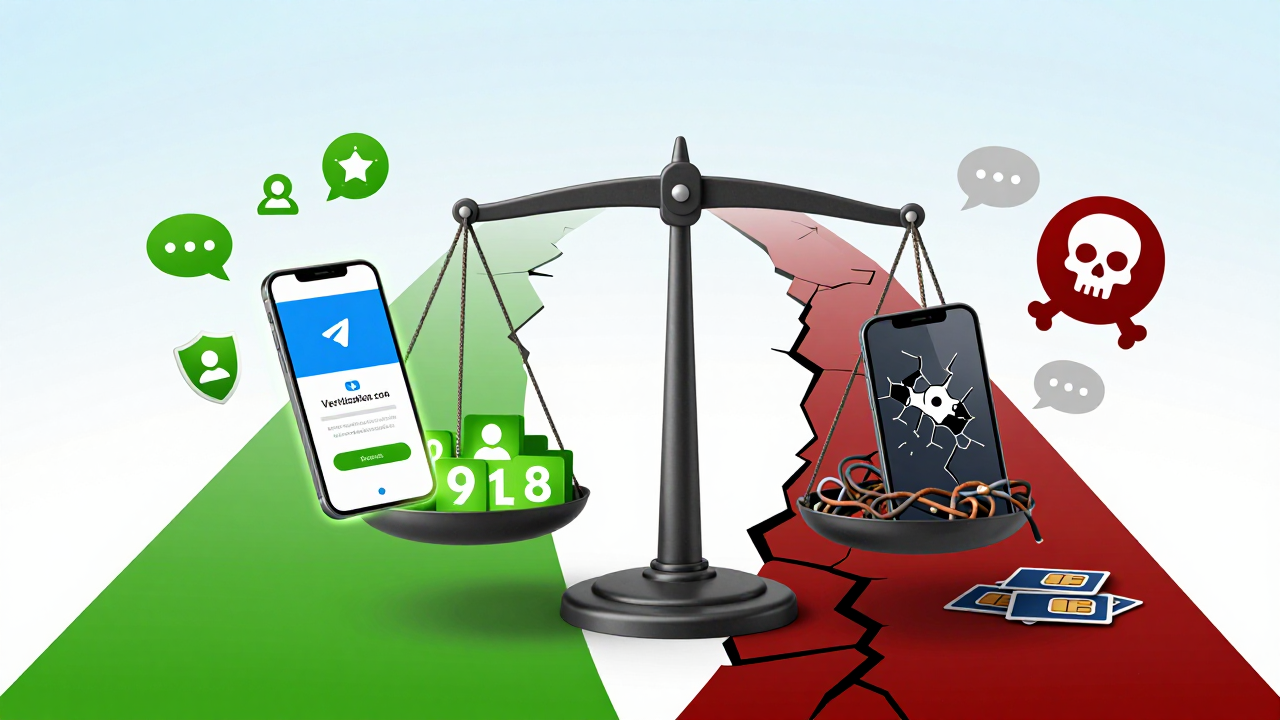
Last year, a friend running a cross-border e-commerce community shared his story with me. His team bought 500 SMS verification codes from a budget platform at $0.015 per code. They registered over 400 Telegram accounts to build a community matrix. Within a week, more than 300 were banned, and most of the survivors had their broadcast features restricted.
They switched to a mid-tier platform with number grading at $0.045 per code. They registered 200 accounts, and after a month, the survival rate was still around 70%. The unit cost was three times higher, but their overall customer acquisition cost dropped by 40%—because that first batch of accounts was essentially a total loss.
This story is painfully common, and it reinforces something industry veterans keep saying: SMS verification isn't a one-time transaction—it's the first step in your account lifecycle management. If the first step fails, everything downstream falls apart.
How to Choose a Reliable Telegram SMS Verification Provider
Based on everything we've covered, here are the criteria I recommend using to evaluate providers:
- Check if the number pool is graded: If a platform offers only one price and doesn't distinguish number sources, skip it entirely
- Test response speed: Buy a small batch first and time how long it takes from request to SMS delivery. Anything over 60 seconds is an instant disqualification
- Confirm API support: If you're doing bulk operations, a platform without API access will slow you down significantly
- Ask about number recycling policies: Some platforms recycle used numbers and resell them. This is extremely high-risk—make sure you ask upfront
- Run a small test before committing: No matter how good the marketing looks, buy 10–20 codes first and monitor the one-week survival rate before scaling up
One more thing: ask the provider to share data on a number's registration history or last usage time before you commit. If they get vague or evasive, that's a red flag. Compliant platforms have no problem showing this data transparently.
Final Thoughts
Telegram SMS verification might seem like a minor detail, but it directly impacts the security of your account assets across your entire cross-border operation. Don't chase the cheapest option, and don't fall for "instant delivery" promises. Start with a small test, observe the survival rate, and then decide who you want as a long-term partner. Remember: accounts take time and effort to build up—don't let a cheap verification service undermine all of it.
Frequently Asked Questions
Why do my Telegram accounts keep getting banned after using SMS verification?
Most likely, the numbers you're using have been flagged by Telegram's risk control system. If a number was previously used for bulk registration or spam, it's probably in a "blacklist pool." Even if you receive the verification code, the account won't survive long. That's why number cleanliness matters more than price.
How much should I pay for reliable Telegram SMS verification?
Budget codes run around $0.01–$0.02 per code but have a 50–60% success rate. Mid-tier codes at $0.03–$0.05 offer 70–80% success. Premium clean codes cost $0.08–$0.18 but hit 90%+ success rates. For bulk registration or important accounts, the premium tier is usually worth the extra cost.
What's a reasonable response time for SMS verification codes?
Telegram verification codes typically expire within minutes. The industry benchmark is 60 seconds—if the code doesn't arrive within that window, consider it a failed attempt and move on.
Can I use the same SMS verification provider for other platforms?
Many providers support multiple platforms, but Telegram has stricter risk controls than most. A provider that works well for other apps might not perform the same way with Telegram. Always test with a small batch first to see how the numbers perform specifically with Telegram.
Is it safe to use SMS verification services for bulk Telegram account registration?
It's a gray area. Telegram's terms prohibit mass account creation, and using verification services doesn't change that. That said, if you're managing legitimate communities, using clean numbers from a compliant provider significantly reduces your risk compared to budget alternatives. Just be aware of the platform's policies and proceed accordingly.