How to Receive SMS Verification Codes with Tomahawk: The Unspoken Pitfalls and Solutions in Cross-Border Business
How to Receive SMS Verification Codes with Tomahawk: The Unspoken Pitfalls and Solutions in Cross-Border Business
Let's cut to the chase: receiving SMS verification codes with Tomahawk isn't technically complicated. What's complicated is that if you pick the wrong approach, your accounts could be wiped out overnight. I've seen far too many cross-border sellers try to save a few bucks during registration, only to have their stores banned and their overseas social accounts rendered useless—losses that far outweigh whatever they saved. So this article isn't going to dump a list of "top SMS receiving platforms" on you. Instead, I want to help you understand how to receive SMS verification codes with Tomahawk the smart way—the stable way.
The Core Logic Behind Tomahawk SMS Verification: It's Not Just "Getting a Text"
When many small studios first encounter Tomahawk, they assume receiving verification codes is just about grabbing a virtual SIM card and waiting for a text to arrive. Industry consensus says that understanding is only half right. The real value of tools like Tomahawk lies in the stability of the number segments and the authenticity of the number's geographic origin. If you're using batch-generated virtual numbers, platform risk controls will flag them instantly—especially on overseas apps like WhatsApp and Telegram that are highly sensitive to number segments.
From my testing, there are three main paths: buying directly from an existing SMS API platform, building your own number pool with SMS software, or working with a platform like Getfollow that offers a complete compliance solution. Each has trade-offs, but if you're a small or mid-sized team, the hidden costs of building your own number pool are often severely underestimated—unstable carrier channels, high number reuse rates, and skyrocketing ban rates. In the end, it often costs more than just paying for a service.
The "Retention Rate" Trap Most People Miss
Many cross-border operators report that successfully receiving a code is only step one. The real challenge is whether that number can still be used for subsequent two-step verification after the initial code arrives. For example, WhatsApp frequently requires re-verification within a week. If your number is single-use, that account is essentially dead. So when figuring out how to receive SMS verification codes with Tomahawk, the key question is whether your provider supports a "number retention period"—not just the per-code price.
Industry Reality Check: The Gray Chain Behind Low-Cost SMS Verification
Search the web and you'll see endless ads for "codes for a dollar" or "bulk pricing on thousands of numbers." But insiders know these cheap numbers mostly come from IoT cards or unverified overseas number segments, making them highly likely to be flagged by platform algorithms. Many cross-border sellers report that accounts registered with these numbers have a survival rate under 30%. Even if you get lucky and pass initial verification, you'll often be asked to upload a photo of yourself holding your ID or complete facial recognition—which actually increases your exposure risk.
Here's a concrete cautionary tale: a Shenzhen-based independent site seller wanted to mass-register TikTok accounts for a content matrix. To save money, they bought 500 cheap SMS verification numbers from a small platform. By day three, accounts were being batch-flagged for phone verification. The platform didn't offer any secondary verification service, so all 500 accounts were lost. When this seller later debriefed with me, they admitted that if they'd spent a bit more on a service with retention periods—even with just a 50% survival rate—it would have been enough to complete their initial product testing phase.
How to Receive SMS Verification Codes with Tomahawk: Comparing Three Main Approaches
To help you make a more informed decision, here's a side-by-side comparison of the three most common approaches on the market. Note: this isn't a recommendation list—it's just to help you see where each one stands.
| Approach | Best For | Risk Level | Cost Range |
|---|---|---|---|
| Low-cost pure API platforms | One-time registrations, short-term testing | High (ban rates typically 40%–60%) | Very low ($0.01–$0.07 per code) |
| Self-built number pool with direct carrier access | Teams with technical resources, long-term bulk operations | Medium-high (depends on carrier stability) | Medium (includes maintenance costs) |
| Compliant full-service providers | Cross-border businesses that prioritize account asset security | Medium-low (offer retention periods and risk control strategies) | Medium-high (per-code or monthly billing) |
As the table shows, the risks of the low-cost path are plain to see. Many cross-border companies report that spending more upfront on a stable SMS verification channel beats paying a fortune later for account appeals. Right now, platforms like Getfollow have built a solid reputation in the industry precisely because they follow this compliant operating model—they don't just provide codes, they also include number segment quality checks and retention reminders. Essentially, they're helping you manage the full account lifecycle rather than making a one-time sale.
How to Vet an SMS Verification Provider: A Practical Checklist
Here's a tip I've tested myself: before committing to any provider, ask for a "test number segment." Compare delivery times between their virtual numbers and your own real number on the same platform. If the virtual number takes more than 30 seconds to arrive, or frequently doesn't arrive at all, walk away. Also, make sure to ask exactly how long the retention period is and what secondary verification costs after it expires. Many providers are deliberately vague on this point—they'll only tell you "you need to pay extra for a new number" after your account is already in trouble.
One more detail that's easy to overlook: the IP environment you use when receiving codes. Tools like Tomahawk don't solve IP issues on their own. If you're using a domestic IP to receive overseas verification codes, risk models will flag it as anomalous immediately. That's why reputable providers usually recommend pairing their service with residential IPs rather than data center IPs. A lot of small studios don't realize this until their accounts are already restricted and they're scrambling to figure out what went wrong.
Deep Dive: Why "Can Receive Codes" and "Receives Codes Reliably" Are Two Different Things
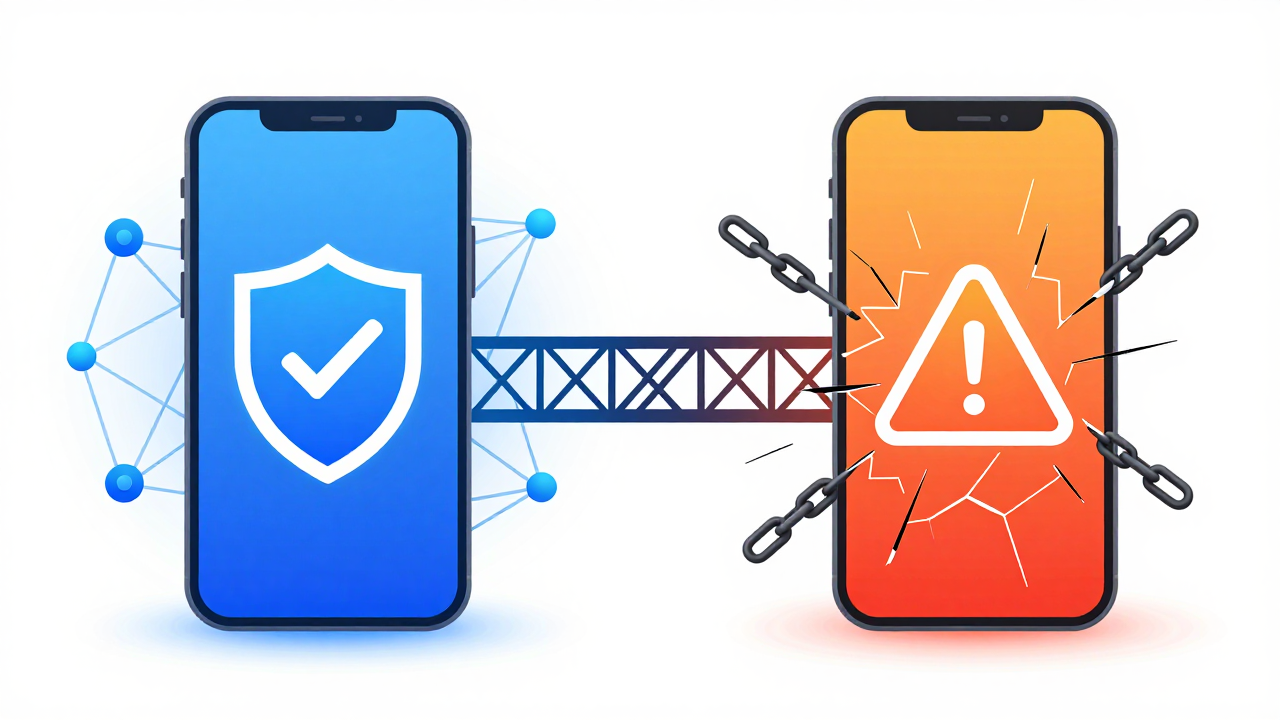
From an industry observer's perspective, figuring out how to receive SMS verification codes with Tomahawk is really about the front-end of account asset management. Receiving a code just gives you a "birth certificate" for a digital identity. Whether that identity survives depends on three factors working together: number segment quality, IP environment, and behavioral patterns. Many cross-border sellers treat code reception as a one-off action, missing the fact that it's actually the most overlooked yet most critical link in the entire account operations chain.
Industry consensus is that after 2025, major overseas platforms have significantly upgraded their detection of virtual numbers. Simply being able to "receive a text" no longer cuts it for registration. Platforms now evaluate a number's geographic origin, carrier type, historical usage records, and more. This is why low-cost SMS reception keeps getting harder to use—not because the technology has regressed, but because risk controls have evolved.
One trend I've noticed: more and more cross-border teams are shifting their SMS verification budgets from "save money" to "stay stable." They're willing to pay a few extra cents per number, and in return, their account survival rates jump from 20% to over 70%. When you run the numbers, that's actually the more cost-effective choice.
Practical Recommendations for Cross-Border Businesses and Independent Studios
If you're considering Tomahawk for SMS verification, my advice is simple: test small before you commit long-term. Don't bulk-purchase from day one. Start with a few dozen codes, test delivery rates across different number segments, check latency, verify retention periods, and even deliberately leave numbers idle for a week to see if they get recycled. This process takes a little extra time, but it will filter out 80% of unreliable providers.
Also, make sure to integrate the SMS verification step into your overall account risk control framework rather than treating it in isolation. Check your IP environment before receiving codes, and have a nurturing plan ready after registration. That's how you maximize the long-term value of your accounts. Remember: the verification code is just the entry point. Account survival and output are what you're actually after.
One last honest thought: in cross-border business, there will always be more pitfalls than opportunities. But if you're willing to pay attention to the details, a lot of those pitfalls can be avoided in advance. The answer to how to receive SMS verification codes with Tomahawk isn't in the tool itself—it's in how you use it.
Frequently Asked Questions
Is Tomahawk safe to use for receiving SMS verification codes?
Tomahawk itself is just a tool—safety depends entirely on which number segments and provider you choose. Low-cost virtual numbers from gray-market sources carry high ban risk. For better safety, work with compliant providers that offer retention periods and quality-checked number segments.
Why do my accounts get banned shortly after receiving verification codes?
Banning usually comes down to three factors: low-quality number segments that platforms have already flagged, mismatched IP environments (like using domestic IPs for overseas verifications), and behavioral patterns that look automated. All three need to align for accounts to survive.
What is a number retention period and why does it matter?
A retention period is how long a number remains available for secondary verification after the initial code is received. Platforms like WhatsApp often require re-verification within days. If your provider doesn't offer retention, your account is essentially dead after the first use.
How much should I expect to pay for reliable SMS verification?
Reliable services typically charge between $0.05 and $0.20 per code, depending on the number segment quality and retention features. While this is more than rock-bottom prices, the survival rate difference—often 70%+ versus under 30%—makes it the more economical choice in the long run.