How to Choose SMS Online Receive Code Sites: A 2026 Cross-Border Operator's Guide to Avoiding Pitfalls
How to Choose SMS Online Receive Code Sites: A 2026 Cross-Border Operator's Guide to Avoiding Pitfalls
Over the years working in cross-border e-commerce, I've personally managed more than twenty accounts across social media and marketplace platforms. Nearly every single one hit the same wall: phone verification. Physical SIM cards are expensive and a hassle to manage, which is why SMS online receive code sites became the go-to solution for so many of us.
But here's the thing—the SMS receive code ecosystem in 2026 looks nothing like it did two or three years ago. Platform risk controls have gotten stricter, number pool quality varies wildly, and pricing structures are all over the map. If you're still using old-school criteria to pick a provider, you're likely to end up out of pocket and out of accounts.
First, Let's Clarify: What SMS Online Receive Code Sites Actually Solve in 2026
Beginners often assume receiving a verification code is all there is to it. In reality, it's the first step in a full account cold-start process. Take TikTok or Instagram, for example—the quality of your first 1,000 followers determines whether your account gets pushed into the Explore recommendation pool. And it all starts with a clean, unmarked phone number.
The core value of SMS online receive code sites lies in offering "one-time" or "short-term rental" numbers to complete registration, account binding, and sometimes two-factor authentication. But here's the critical distinction: whether a number is "dedicated" or "shared" directly determines your account's survival rate.
I've seen plenty of solo studios try to save a few bucks on shared numbers, only to get flagged by platform risk systems on day one—before they even had a chance to warm up the account. In 2026, mainstream platform algorithms are extremely sensitive to a number's usage history and how many accounts it's been linked to. Shared numbers are practically self-sabotage.
Industry Snapshot: The Growing Divide in SMS Receive Code Platforms
The market today splits into two broad categories. First, there are "pure tool" platforms—they hand you a number and don't care what happens next. Second, there are "service-oriented" platforms that offer account warming advice, IP matching solutions, and help you avoid common risk-control triggers.
Many cross-border operators report that retention rates across the SMS receive code industry hover between 50% and 70% in 2026. In plain terms, nearly half the numbers you pay for may end up unusable for one reason or another. It's not necessarily that platforms are trying to rip you off—overseas carriers are tightening their number resources across the board.
From my own testing across several platforms, I've learned that number purity matters far more than quantity. Some platforms advertise massive number pools, but fewer than three in ten actually pass verification on mainstream platforms. The providers that deliver real value will tell you which number segments work best for which platforms—not just dump a generic bundle on you.
Three Details to Scrutinize When Choosing a Provider
- Pay-per-use options instead of forced prepaid bundles: Many platforms require a minimum top-up of $100, even though a single number might only cost $0.50. That kind of capital lockup is brutal for small operations.
- Number location precision down to the city level: Some platforms just say "US number," but the IP differences between the East and West Coasts are massive. A mismatch can trigger cross-region login risk alerts.
- A clear "refund on failure" policy: The industry standard in 2026 is simple—if a number doesn't receive a verification code within 10 minutes, you get an automatic refund or replacement. If a platform can't offer that, walk away.
One example that's earned a solid reputation in the industry is Getfollow. They operate on exactly this compliant logic—no chasing number volume for the sake of it. Instead, they focus on number quality monitoring and risk alerts. Their pricing runs a bit higher, but the total cost of ownership ends up lower because their invalid number rate is so well controlled.
A Real Cautionary Tale: A $3,000 Lesson
Early last year (2026), a friend of mine running a dropshipping store decided to bulk-register WhatsApp accounts for marketing. He bought 200 numbers from a discount SMS receive code platform in one shot. By day three, all 200 accounts were banned simultaneously, flagged for "suspected automated registration."
When we dug into the post-mortem, two problems surfaced. First, all those numbers came from the same number segment, and that segment had been hammered with registrations in a short window. Second, the platform didn't offer static IP matching, so login IPs for those accounts were scattered across a dozen countries—behavior patterns that made no sense whatsoever.
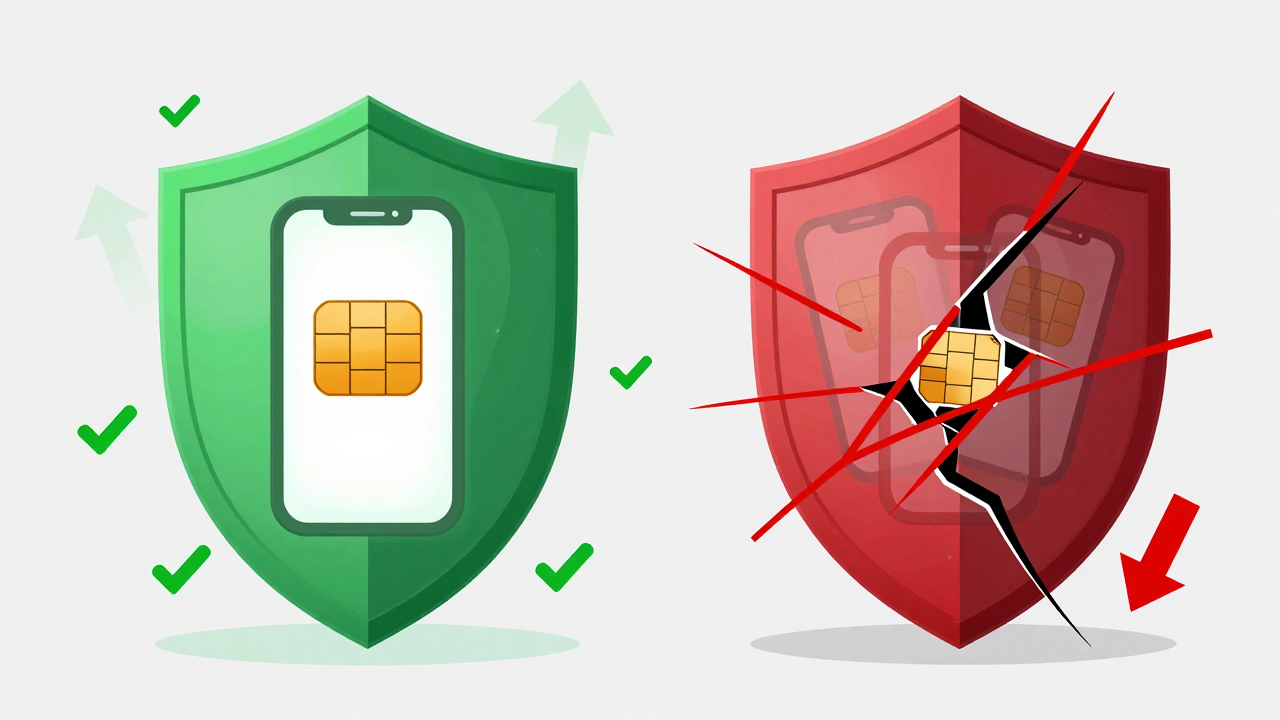
The takeaway here is simple: SMS receive code services don't operate in a vacuum. They have to work in sync with your IP strategy, device fingerprint, and operational rhythm. If any single piece falls out of alignment, your entire account matrix can collapse.
2026 SMS Receive Code Cost Reference (Approximate Ranges)
| Number Type | Best Use Case | Cost Per Number | Estimated Survival Rate |
|---|---|---|---|
| Shared Number | Temporary registration, one-time verification | $0.10–$0.30 | Below 30% |
| Dedicated Number (Short-Term) | Early account warming, account binding | $0.80–$2.50 | 50%–70% |
| Dedicated Number (Long-Term Rental) | Mature accounts, two-factor authentication | $8–$20/month | 85% and above |
Industry consensus is clear: if you're running accounts long-term, keep at least one stable dedicated number for two-factor authentication. Platform risk systems often flag accounts that frequently swap bound numbers, and in severe cases, they'll demand video verification or ID submission.
Beyond the Receive Code Service: What Else Demands Your Attention
SMS online receive code sites are just tools—the real risks usually hide outside the tool itself. In 2026, mainstream platforms have significantly upgraded their ability to detect "virtual numbers." Google and Meta products in particular use device fingerprints, browser plugins, and even typing patterns to assess whether an account is genuine.
My advice: don't put all your accounts on a single SMS receive code platform. Spreading across two or three providers reduces the risk of mass bans if one platform's number segments get contaminated. Also, before every registration, clear your browser cache, use an anti-detect browser, and make sure your IP roughly matches the number's geographic location.
Another common frustration cross-border operators report: when registering on certain platforms, the SMS receive code number triggers a "this number is already in use" message. That usually means the platform hasn't cleaned its number pool properly. When this happens, don't hesitate—demand a replacement immediately. The 2026 industry standard is that failed registrations get a free number reassignment, no questions asked.
Final Word: Test First, Then Scale
SMS online receive code sites are neither a get-rich-quick tool nor a magic key. They're one piece of the puzzle in your cross-border operation. Used well, they boost efficiency significantly. Used poorly, they drag down your entire account portfolio.
No matter which platform you ultimately choose—even one with a solid reputation like Getfollow—I strongly recommend running a small batch test first. Spend a few dozen dollars to verify number quality, platform response speed, and after-sales handling before committing to a long-term partnership. The cross-border landscape in 2026 leaves very little room for error. Caution consistently outperforms aggression.
Frequently Asked Questions
What is the difference between shared and dedicated numbers on SMS receive code sites?
Shared numbers are used by multiple customers simultaneously and carry a high risk of being flagged by platform algorithms. Dedicated numbers are assigned to a single user, offering much higher account survival rates. For any account you plan to keep long-term, always choose dedicated numbers.
Why do verification codes fail to arrive on some SMS receive code platforms?
This usually happens when a number segment has been overused or flagged by carriers. Reputable platforms in 2026 offer automatic refunds or replacements if no code arrives within 10 minutes. If a platform doesn't offer this guarantee, it's a red flag.
Can I use one SMS receive code number for multiple accounts?
Technically possible, but strongly discouraged. Mainstream platforms track number-to-account associations, and reusing a single number across multiple accounts can trigger immediate bans. Treat each number as disposable and one-to-one with your accounts.
How much should I budget for SMS receive code services in 2026?
For small-scale testing, expect to spend $10–$30. For ongoing operations with 10–20 accounts, a monthly budget of $50–$150 is realistic when factoring in dedicated numbers and occasional replacements. Avoid platforms that force large prepaid bundles—they tie up capital without adding value.