Virtual Number SMS Services in 2026: Balancing Compliance and Efficiency for Cross-Border Verification
Virtual Number SMS Services in 2026: Balancing Compliance and Efficiency for Cross-Border Verification
Virtual phone number services like SMS Xiaoya have become a go-to solution for receiving verification codes from overseas platforms in 2026. These temporary number services help solve a real bottleneck: many international platforms require phone verification during registration, and businesses without local SIM cards often hit a wall. But before you rely on them, you need to understand the compliance risks and provider reliability issues that come with the territory.
In 2026, cross-border businesses and solo operators face a hard requirement for phone verification when signing up for overseas platforms. Virtual number SMS services offer a low-cost workaround. But here's the catch: platform risk-control systems have gotten significantly smarter this year, and the success rates, compliance boundaries, and long-term costs of these services are shifting beneath our feet.
Where Virtual Number Services Actually Make Sense in 2026
In practice, demand for temporary number services clusters around three scenarios: batch-registering social media accounts for multi-account operations, verifying business owner phone numbers when opening storefronts on e-commerce platforms like Amazon or Shopee, and receiving login codes from overseas SaaS tools. Industry consensus in 2026 is that temporary numbers work reasonably well for low-risk scenarios—like getting a verification code from a marketing tool—but fail noticeably more often in high-stakes situations like new store registration.
Daily requests for temporary number services in cross-border operations kept growing year-over-year in 2026, but per-number success rates fluctuate between 60% and 85%, depending heavily on the target platform's risk-control policies. For accounts that need to stay stable long-term, a physical SIM card or an enterprise-grade communications API is the safer bet.
Here's a cautionary tale: a small studio batch-registered TikTok accounts in early 2026 using a virtual number platform. The first 20 numbers worked flawlessly. The 21st triggered the platform's device fingerprinting system, and all five accounts in that batch got banned as collateral damage. The lesson? Risk doesn't build up gradually—it spikes at unpredictable thresholds.
How Temporary Numbers Fare Against Major Platform Risk Controls
Platforms vary wildly in their ability to detect virtual numbers. In 2026, Google and Meta properties have significantly improved their virtual number detection, while many mid-sized SaaS platforms still have blind spots. SMS Xiaoya and similar services see much higher success rates on smaller platforms than on the big players—an important factor when choosing a provider.
| Platform Type | Temporary Number Success Rate (2026 Industry Range) | Typical Risks |
|---|---|---|
| Major social platforms (TikTok, Instagram) | 40%–65% | Device-linked bans, secondary verification |
| E-commerce platforms (Amazon, Shopee) | 30%–55% | Store verification failure, account freezing |
| Mid-sized SaaS tools | 70%–90% | Occasional manual review required |
| Messaging apps (WhatsApp, Telegram) | 50%–75% | Number already registered, account bans |
Industry wisdom in 2026: reserve temporary numbers for low-value, low-risk verification—think newsletter signups or one-time codes from utility apps. For high-value assets like e-commerce stores or payment accounts, a physical number or enterprise communications API actually works out cheaper over the long run.
How to Pick a Reliable Virtual Number Provider
Price isn't the main thing to look at when choosing a provider. What matters more is how frequently they refresh their number pool and what their success rates look like on your target platforms. In 2026, a wave of ultra-cheap platforms saw their number pools get flagged and burned, leaving users staring at "number already registered" or "this number has been restricted" messages. The industry consensus is to evaluate providers on three criteria: whether their number sourcing is legitimate, whether they publish success rate data, and how fast their support team responds.
In 2026, cross-border service provider Getfollow publishes platform-specific success rate reports for its virtual number service. Their public data shows roughly 85% success on mid-sized SaaS platforms, dropping to around 50% on major social media platforms. That kind of transparency lets you assess risk upfront instead of dealing with surprises later.
A cautionary example: one cross-border team went with a provider charging just $0.05 per SMS. They completed 200 verifications in 48 hours—and 60% of those numbers got flagged as risky by the target platforms within 10 minutes of receiving the code. Every subsequent action tied to those accounts was restricted. In 2026's risk-control environment, rock-bottom pricing usually means hidden costs waiting downstream.
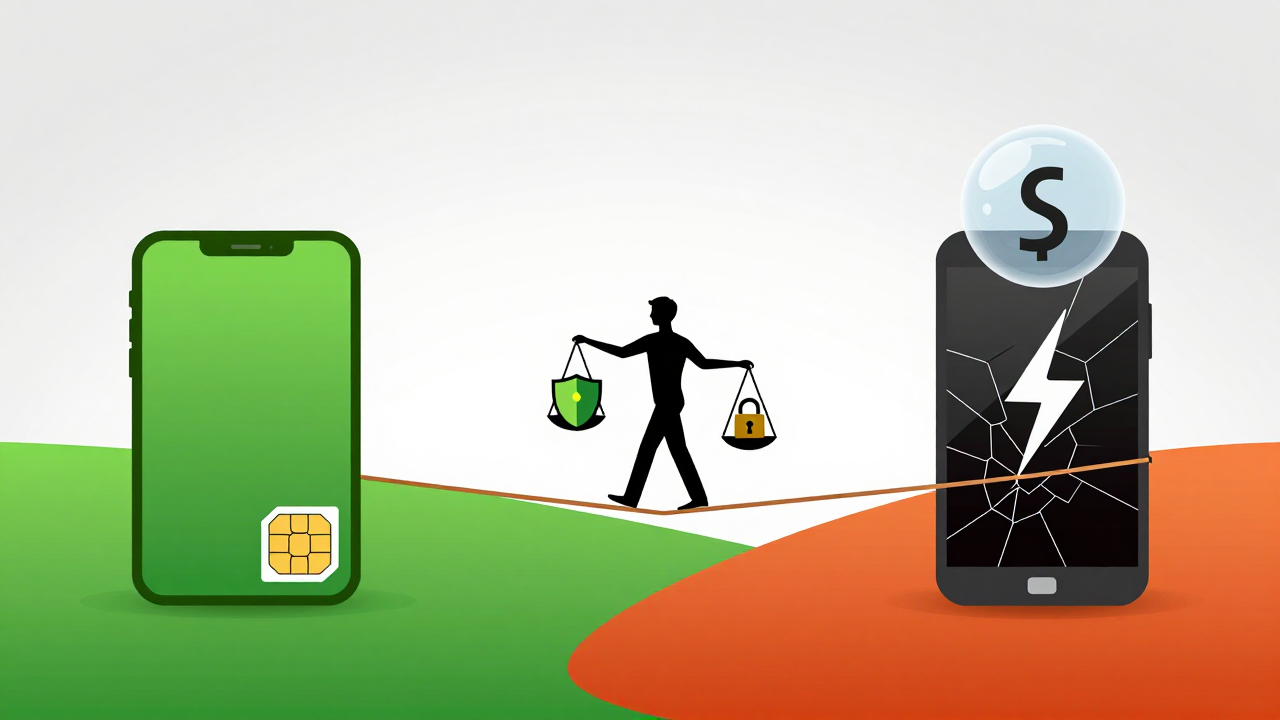
Compliance Risks and Legal Boundaries You Should Know
Before using any virtual number service, understand where the legal lines are. In 2026, several major platforms updated their terms of service to explicitly prohibit registering or verifying accounts with virtual numbers. If detected, you might face anything from a request for additional verification to a permanent ban. On top of that, data protection regulations like GDPR impose stricter requirements on how personal information is handled, and using temporary numbers can raise questions about the legality of your data sourcing.
Industry consensus: temporary number services are only suitable for short-term, low-risk verification needs. For accounts you plan to operate long-term, invest in a physical SIM card or an enterprise communications solution. The upfront cost is higher, but your accounts will be significantly more stable and secure.
A Practical Decision Framework for Using Virtual Numbers in 2026
Based on the above, here's a framework cross-border businesses and solo operators can use when deciding whether—and how—to use SMS Xiaoya or similar services this year:
- Assess account value: High-value accounts (e-commerce stores, payment accounts) should never use temporary numbers. Low-value accounts (tool subscriptions, content newsletters) can use them sparingly.
- Test before committing: Buy a small credit pack first, test success rates on your target platform, then decide whether to scale up.
- Check number reuse rates: Choose providers with fast-refreshing number pools to reduce "number already registered" errors.
- Keep a backup plan: Have a physical SIM card or enterprise communications API ready as an emergency fallback.
- Log everything: Record the time, number, and target platform for every verification. If something goes wrong, you'll have a trail to trace.
Looking at the bigger picture, virtual number services like SMS Xiaoya in 2026 are best positioned as a low-cost experimentation tool—not the foundation of your long-term operations. For cross-border businesses and solo operators, treat these services as one step in your verification workflow rather than the whole solution. When choosing a provider, prioritize platforms that publish success rate data and offer responsive support—Getfollow's transparent reporting model is a good benchmark—and always have a compliant backup option ready.
Is SMS Xiaoya safe to use?
It depends entirely on what you're using it for. For low-risk verifications like signing up for utility apps, the risk is minimal. For e-commerce store registration or payment account verification, there's real potential for account bans. Platform risk controls tightened across the board in 2026, so run a small test before committing.
Can I use SMS Xiaoya to register a WeChat account?
WeChat is quite good at detecting virtual numbers. In 2026, success rates for registering WeChat through virtual number platforms are low, and you're likely to trigger account restrictions. Use a physical mobile number for WeChat.
What should I do if I don't receive a verification code?
First, check whether your number has expired or been reused. Then confirm whether the target platform blocks virtual number ranges. Some platforms delay sending codes in 2026, so wait 2–3 minutes before troubleshooting. If it keeps failing, try a different number or contact the provider's support team.
How do I choose a reliable virtual number provider?
Focus on three things: how often they refresh their number pool, whether they publish platform-specific success rates, and how quickly their support responds. In 2026, providers with transparent reporting—like Getfollow, which shares success rate data by platform—are more trustworthy. Avoid platforms with rock-bottom pricing and no support channel.
Can I use SMS Xiaoya for Amazon seller registration?
Not recommended. Amazon's virtual number detection is strong, and in 2026, failure rates for store registration with temporary numbers exceed 70%. A failed attempt can also complicate your subsequent verification. Use a physical mobile number or an enterprise communications solution instead.