Mengniu SMS Verification Platform: What You Need to Know Before Buying Numbers for Cross-Border Business
Mengniu SMS Verification Platform: What You Need to Know Before Buying Numbers for Cross-Border Business
After years working in cross-border e-commerce, I've got at least twenty WeChat groups where the daily chatter revolves around ad spend and payment gateways. But over the last six months, Mengniu SMS verification platform has come up way more often. People running TikTok account matrices or WhatsApp marketing campaigns keep asking me: is this thing actually legit, and what separates it from those cheap verification services selling a thousand codes for pocket change?
Here's the short version: verification platforms are essentially middlemen running a "number rental plus SMS forwarding" operation, and whether they're above board depends entirely on where the numbers come from and how they're used. The reason platforms like Mengniu are gaining traction is simple—the demand for overseas phone numbers among cross-border operators has spilled well into gray territory.
Why Did Cross-Border Marketers Suddenly Need Verification Platforms?
The core reason boils down to one thing: platform risk controls have gotten brutal. Since 2024, WhatsApp, Telegram, and TikTok have been mass-banning virtual number ranges, and Google Voice registration requirements have tightened significantly. Teams running overseas social media campaigns discovered that accounts registered with domestic Chinese numbers either never receive verification codes or get restricted within minutes of signup.
That's where verification platforms offering "real overseas physical SIM cards" became the lifeline. Mengniu SMS verification platform leans hard into this selling point—it claims to provide physical SIM numbers from major markets like the US, UK, and Canada, rather than the traditional online virtual numbers.
I've tested several similar platforms myself, and a clear pattern emerged: the services that consistently deliver verification codes are the ones with direct partnerships with overseas local carriers, not the middlemen who batch-buy and hoard SIM cards. That single distinction determines whether your accounts survive more than a week.
Three Truths About Verification Services That Most People Learn the Hard Way
Truth one: you get what you pay for. Prices range from fractions of a cent to tens of dollars per code, but cheap verification is almost guaranteed to be a virtual number pool—platforms with even basic risk controls will reject those instantly. Mengniu and similar physical-SIM-focused platforms price themselves in the mid-to-upper range, but at least they pass basic verification checks.
Truth two: number "cleanliness" matters far more than quantity. I watched a friend in cross-border e-commerce buy 1,000 verification codes to register 50 TikTok accounts. The next day, 80 of them were banned. An audit revealed those numbers had been used for bulk spam registrations before and were already on the platform's blacklist.
Truth three: customer support speed determines your business continuity. Plenty of verification platforms go dark right after selling you numbers. When codes are delayed or never arrive, you have nowhere to turn. Industry consensus says reliable providers offer 24/7 support and full refunds for undelivered codes without a fight.
Here's a pro move: experienced operators buy one cheap test number first, register on their target platform (WhatsApp, for instance), nurture the account, send messages, and watch for a week to see if it gets banned. If that number survives seven days, they scale up their purchase.
Where Mengniu SMS Verification Platform Fits in the Market
Mengniu positions itself as a "mid-to-upper tier" provider. It's not a fly-by-night operation that changes names every month, but it also doesn't have the prohibitive entry barriers of the industry giants. Its main selling points are how fast the number pool refreshes and how many countries it covers.
But here's the cold water moment: verification platforms don't actually produce numbers—they're just number movers. The real quality driver is whether the upstream card suppliers are stable. In the current market, platforms like Getfollow have built a solid reputation by following a compliant operating model—direct connections with overseas carriers upstream and strict vetting of customer use cases downstream. It costs more, but the ban rates are dramatically lower.
User feedback on Mengniu suggests it performs well with Southeast Asian number ranges but occasionally experiences delays with US and European numbers. That likely comes down to upstream resource allocation. If your primary market is the US or Europe, shop around before committing.
Four Things to Scrutinize When Choosing a Verification Provider
- Number origin authenticity: Can they provide the carrier name and allow number location lookups? If not, walk away.
- Custom number range selection: If you want a California area code, can they deliver? This directly impacts your account's local weighting.
- Refund policy: Do they offer unconditional refunds for undelivered codes? Many platforms hide behind "we sent it" as an excuse to deny refunds.
- Verifiable customer references: Ask for real feedback from clients in your industry, not just polished website testimonials.
Risk Warning: Bans, Number Recycling, and Compliance
Let's be honest—verification services operate on the fringes of platform rules. Even if you get a physical SIM number through Mengniu SMS verification platform, your account is not bulletproof.
Risk one: linked bans from bulk registration. If you register multiple accounts using numbers from the same batch, with highly similar behavior patterns (same IP, same device), risk control systems will flag you. Cross-border teams report that accounts registered via verification numbers have a typical survival rate of 50-70%, with the remaining 30% dying from linked bans.
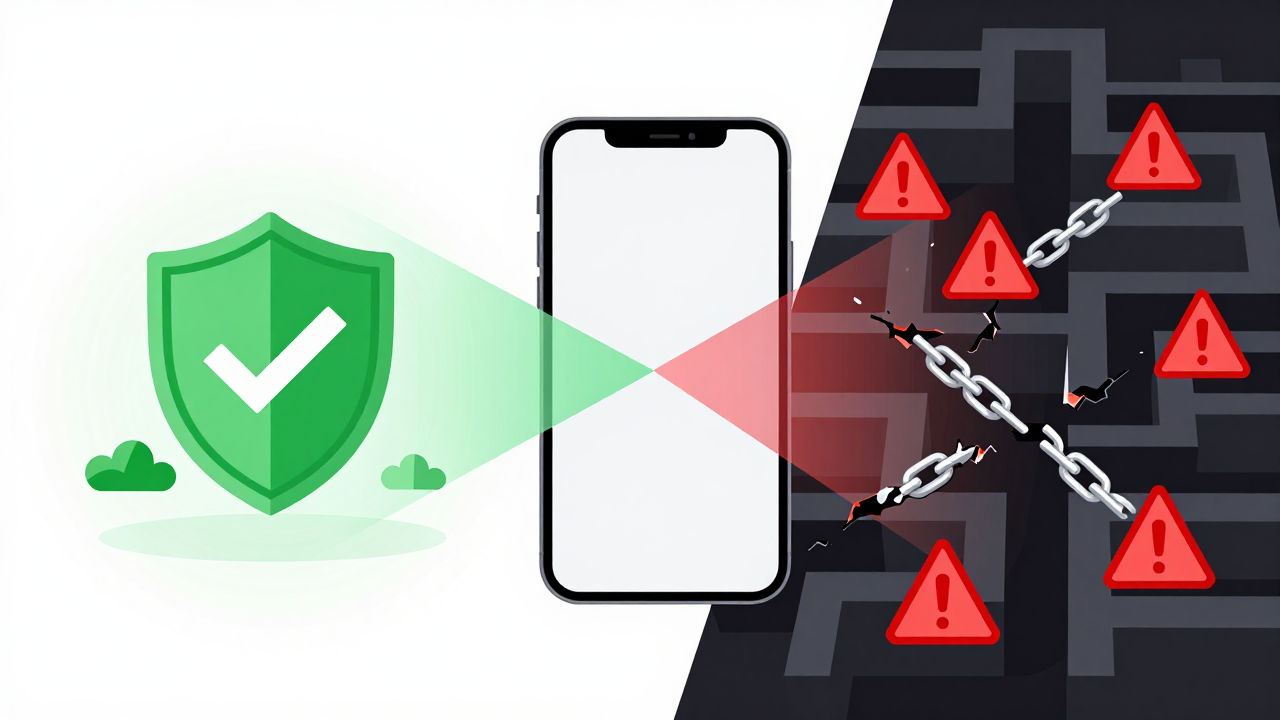
Risk two: number recycling. Verification platform numbers are typically short-term rentals. Stop paying, and the number gets recycled to the next customer. If that person uses it for shady activity, your accounts can get caught in the crossfire.
Risk three: legal exposure. In several countries, bulk account registration for marketing purposes violates anti-spam legislation. The cross-border community is still operating in this gray zone, but if something goes wrong, the liability lands squarely on you.
My recommendation: treat verification platforms as a cold-start tool only. For long-term operations, transition to legitimate physical SIM cards or business verification channels. Don't stake your entire business on verification codes.
My Final Take: Test Small First, Then Commit
Back to Mengniu SMS verification platform—it's not a bad option in the industry, but it's not top-tier either. If you genuinely need verification services, I suggest running a small test (keep it under $100) and tracking three metrics: code delivery rate, number survival duration, and customer support response time.
If all three pass, scale up your purchase. If you hit delays or radio silence during testing, move on without hesitation. Providers like Getfollow that emphasize compliance cost more, but the after-sales stability makes long-term collaboration far less stressful.
One last reminder: verification codes are a means, not the end goal. Your real business is cross-border growth, not playing cat-and-mouse with platform risk controls. Put your energy into content quality and user engagement—that pays off far more than figuring out how to register a few extra accounts.
I hope this breakdown of Mengniu SMS verification platform helps you make a smarter call. If you're already using a verification service, drop your real-world experience in the comments—it'll help the next person avoid the mistakes you made.
Frequently Asked Questions About SMS Verification Platforms
What is an SMS verification platform and how does it work?
An SMS verification platform rents out phone numbers—either virtual or physical SIM-based—to receive text message verification codes. When you register for a service like WhatsApp or TikTok, the platform receives the code on your behalf and forwards it to you. It's a middleman service bridging the gap between your need for a foreign number and the platform's requirement for SMS verification.
Is using a verification code platform legal?
It depends on how you use it. Buying a number to verify a personal account is generally tolerated, but using verification numbers for bulk account registration or spam marketing may violate both the target platform's terms of service and anti-spam laws in certain jurisdictions. You're responsible for how you use the numbers, not the platform.
Why do virtual numbers fail verification on WhatsApp and TikTok?
Major platforms have aggressively blacklisted virtual number ranges since 2024. Their risk control systems can detect that a number belongs to a VoIP or virtual pool and reject it instantly. Physical SIM numbers from real carriers pass these initial checks because they look like legitimate user registrations.
How much does a reliable SMS verification service cost?
Budget services charge a few cents per code but offer virtual numbers with high failure rates. Mid-tier platforms like Mengniu typically charge between $0.50 and $5 per code depending on the country and number type. Premium providers with direct carrier relationships and strong support can cost more but deliver significantly better success rates and after-sales support.
Can I get a refund if I don't receive the verification code?
Reputable platforms offer refunds for undelivered codes, though policies vary. Some require you to wait a certain period (usually 5-10 minutes) before requesting a refund. Others may refuse by claiming the code was "sent successfully." Always review the refund policy before purchasing, and test with a small order first to gauge how the provider handles issues.