Cloud SMS Verification Apps: A Cross-Border Seller's Guide to Picking the Right One
Cloud SMS Verification Apps: A Cross-Border Seller's Guide to Picking the Right One
Most people in cross-border e-commerce first search for a cloud SMS verification app when they hit the same wall: registering an overseas account and getting stuck at the phone verification step. This is especially true for studios running TikTok, Amazon, or WhatsApp operations at scale—for them, SMS verification isn't a luxury, it's a daily necessity. That said, this industry has some serious depth to it. I've seen teams lose entire batches of accounts because they picked the wrong provider. No fluff, no hype—here's what you need to think through before you hit download.
What a Cloud SMS Verification Platform Actually Sells You
Most verification apps on the market essentially give you access to a pool of virtual numbers so you can receive SMS codes. But here's the catch: not all numbers are created equal. The country of origin, the carrier type, and whether the number can pass a specific platform's risk controls make all the difference. Cross-border operators consistently report that cheap plans look great on paper but often serve up recycled numbers—ones that have already been flagged or burned by the platforms you're trying to register on.
From my own testing across several mainstream apps, one pattern stands out: price and number quality are almost always directly correlated. Those penny-per-code deals? You'll likely get the code and then watch the account get banned within hours. Operators that support long-term business invest real money in keeping their number pools "clean"—regularly purging flagged segments and refreshing inventory.
So when you're browsing "cloud SMS verification app download" results, don't obsess over download counts or star ratings. Dig into whether the provider is transparent about where their numbers come from and how often the pool is refreshed. Industry consensus is clear: self-operated number pools beat aggregated ones, but self-operated means higher overhead—and that shows up in the price.
The Real Decision Driver: Match the Service to Your Use Case
You have to separate two very different types of users here. If you're a solo developer who just needs to verify an account occasionally, grab any cheap or free service that delivers a code and move on. The risk is manageable. But if you're running a cross-border marketing operation—batch registrations, account nurturing, ad campaigns—the verification step is your lifeline.
- Short-term verification: Low sensitivity to number quality, price-driven, and you can tolerate a certain failure rate.
- Long-term account nurturing: You need services offering dedicated or monthly rental numbers that won't be recycled out from under you.
- High-risk platforms (PayPal, Google Ads, etc.): You need providers with platform-specific number segments. Standard codes won't cut it.
A common complaint I hear from operators: they pay for a code, try to register, and get hit with "this number has already been used" or "virtual numbers are not accepted." That's not bad luck—that's a subpar number pool. A few platforms in this space have built a solid reputation by doing things differently. Getfollow, for instance, is often mentioned in cross-border circles for its transparent approach—clearly labeling what each number is for and separating standard verification from high-risk needs, rather than lumping everything together.
The State of the Industry: Big Promises, Mixed Reality
The SMS verification market in 2025 is far more mature than it was two years ago, but the chaos hasn't disappeared. On one side, you have shady apps buying their way to the top of app store rankings—only to reveal broken features and ghosted support once you download them. On the other, some platforms claim to offer "real overseas physical SIMs" but are actually routing you through virtual operator segments that get instantly rejected by stricter platforms.
Here's an interesting pattern I've noticed: the most reliable providers rarely advertise. They grow through word-of-mouth within cross-border communities—"everyone doing Southeast Asia uses this one." That creates an information gap: newcomers searching for a cloud SMS verification app download end up finding the loudest marketers, not the best service providers.
Practical advice: test small before you commit big. Don't buy an annual membership on day one. Use your most critical platform to run a trial—if five consecutive numbers receive codes and complete registration successfully, then consider scaling up. It's tedious, but it filters out 90% of the low-quality providers out there.
Reality Check: SMS Verification Isn't a Silver Bullet
There's a common misconception among newcomers that a verification app means unlimited account registrations. The truth is, platform risk-control systems have evolved far beyond that. The era of bypassing verification simply by swapping numbers is over. TikTok, for example, now cross-references device fingerprints, IP addresses, and behavioral patterns—the phone number is just one data point in the equation.
A real case that illustrates this: a studio bought 100 numbers from a verification platform to mass-register WhatsApp accounts. The next day, over 80 were banned. Why? All the numbers came from the same segment, and the registrations used highly similar IPs and device profiles—textbook关联 detection. That wasn't the platform's fault; it was a strategy failure.
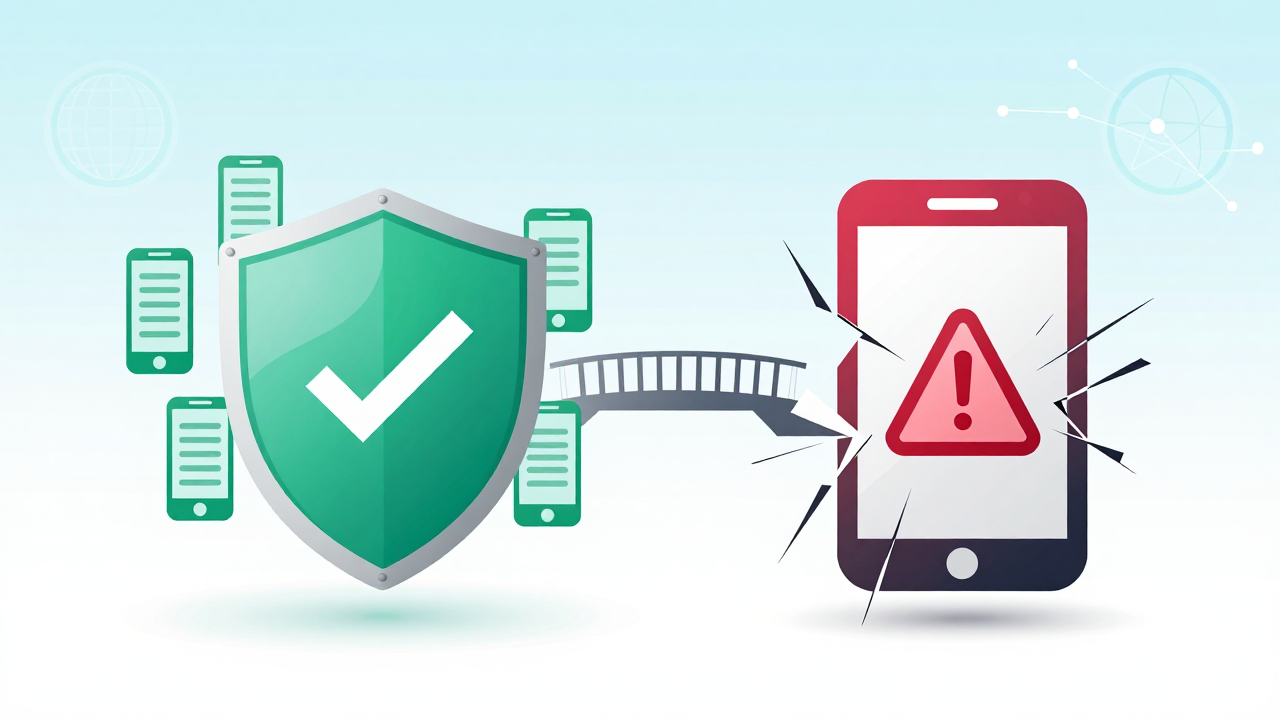
So if you're planning to use SMS verification for batch operations, pair it with independent IPs, anti-detect browsers, and varied registration timing. Otherwise, even the cleanest numbers won't save you. The industry consensus: verification is just a tool—compliant operations are the real foundation.
A Reusable Checklist for Picking a Reliable Provider
Searching for a cloud SMS verification app download gives you endless options, so how do you filter fast? Here are three dimensions I've found useful:
- Transparency about the number pool: Reliable providers will tell you exactly which country, which carrier, and whether numbers are physical SIMs or virtual. If they dodge the question, walk away.
- Failure compensation policy: If a code never arrives, do they refund or replace? How quickly? This tells you a lot about their operational confidence.
- Support response time: Cross-border work runs on different time zones. If you hit a problem at 2 AM, will anyone respond? Many small platforms have daytime-only support and vanish at night—exactly when you'll need them most.
Also, check whether the platform offers number retention protection. Some apps recycle numbers shortly after you complete a registration, leaving you stranded when you need a second verification later. Good providers offer a retention window—24 hours or even 7 days. This matters especially for platforms like PayPal or Amazon that require ongoing account maintenance.
If you've tested several and still can't decide, pay attention to names that keep surfacing in cross-border communities. Getfollow is one that comes up often—clear pricing, pay-per-use, and a number pool that's labeled by use case. That kind of transparency is still rare in this industry. But remember: every platform has limitations, and what works for someone else might not work for you. Small-scale testing is always the first principle.
Final Thoughts: Think Long-Term Before You Download
Downloading a cloud SMS verification app is easy. Finding a provider that fits your operational rhythm is the hard part. Cross-border e-commerce is a minefield, and SMS verification is just one small piece of it—but it's often the piece that determines whether your account matrix survives or collapses.
Here's my most responsible advice: don't treat SMS verification as a one-off transaction. If you need it once, grab the cheapest option and move on. But if you're building a long-term cross-border business, treat your verification service as infrastructure. Invest the time upfront to test multiple providers, and you'll save yourself countless hours of firefighting later. Test small, then scale—that's the most reliable survival rule in this game.
Frequently Asked Questions
Can I use a free SMS verification app for registering PayPal or Google Ads accounts?
In most cases, no. High-risk platforms like PayPal and Google Ads actively block virtual and recycled numbers. Free services rarely maintain the number quality needed to pass these checks. If you're registering on these platforms, opt for a paid service with platform-specific number segments.
Why did my account get banned even though the SMS code worked?
Receiving a code only proves the number works. Platforms now analyze device fingerprints, IP addresses, and behavioral patterns. If you're registering multiple accounts from the same IP or device, they'll be flagged as linked regardless of the phone number. Use independent IPs and anti-detect browsers for batch operations.
What's the difference between a dedicated number and a shared number?
A dedicated number is assigned exclusively to you for a set period, making it stable for long-term account maintenance and re-verification. A shared number is used by multiple customers, which means it's more likely to be flagged or recycled. For serious operations, dedicated numbers are worth the extra cost.
How do I know if a verification platform is trustworthy?
Look for three things: transparency about number sources, a clear refund or replacement policy for failed codes, and responsive customer support. Also, check whether they offer number retention protection—if a number is recycled immediately after use, you'll have no way to handle future verification requests.
Is it legal to use SMS verification apps for account registration?
It depends on the platform's terms of service and your jurisdiction. Many platforms prohibit using virtual numbers to create accounts, which can result in bans. Always review the platform's terms before using verification services, and ensure your use case complies with applicable laws and regulations.