What Is SMS Verification? How Cross-Border Pros Use Temporary Numbers (Without Getting Banned)
What Is SMS Verification? How Cross-Border Pros Use Temporary Numbers (Without Getting Banned)
SMS verification, in plain terms, means using a temporary or virtual phone number to receive verification codes for account sign-ups, app registrations, or payment tool bindings. For anyone working in cross-border e-commerce, this isn't a luxury—it's a necessity. Whether you're creating social media accounts for overseas markets, linking a payment processor, or verifying a store on a marketplace platform, a number that can actually receive SMS is often the bottleneck that holds up the entire workflow.
But here's the thing: the first question most operators ask when they discover SMS verification is, "Is this safe? Will my account get flagged the moment I register?" That concern is completely justified—because the SMS verification industry has more layers than most people realize.
Why Cross-Border Businesses Can't Operate Without SMS Verification
Let me walk you through a scenario I've personally tested. You're running a DTC store targeting the North American market, and you need to manage account clusters across TikTok, Instagram, and Pinterest. Every single platform requires phone verification. But you only have two physical SIM cards—one for personal use, one for finance. That's where an SMS verification platform becomes your only viable workaround.
What makes it even more critical: many overseas platforms restrict numbers by region. Trying to register a UK-based TikTok account with a Chinese mobile number? You'll rarely receive the code. SMS verification platforms solve this by offering temporary numbers across dozens of countries—the US, UK, Germany, and beyond—effectively bypassing geo-restrictions.
Cost is another factor. A legitimate overseas SIM card can cost you dozens of dollars per month in rental fees. SMS verification platforms, on the other hand, typically charge anywhere from a few cents to a couple of dollars per code. For studios that need to batch-verify accounts, that difference is pure margin.
How SMS Verification Platforms Actually Work: It's Not Just "Random Numbers"
In the industry, SMS verification platforms generally fall into two categories: shared number pools and dedicated number segments. Shared pools mean the same number gets sold to multiple users simultaneously—whoever grabs the code first wins. Dedicated segments give you exclusive use of a number for a set period, which offers significantly better security.
From what cross-border operators report, shared pool success rates typically land between 60% and 80%, and there's a real risk of "number crossover"—where someone else verifies your account later. Dedicated segments push success rates above 90%, but they cost 3 to 5 times more.
Here's a real cautionary tale: a friend of mine who does Amazon product reviews decided to save money using a shared pool platform to register 10 buyer accounts. Within 48 hours, 3 of those accounts were locked by risk control for "abnormal device environment." After digging in, we found those numbers had been previously used to register a pile of policy-violating accounts and were already flagged by Amazon. He told me the few dollars he saved ended up costing him hundreds to recover those accounts.
The Real Risks of SMS Verification: Bans, Low Retention, and Privacy Leaks
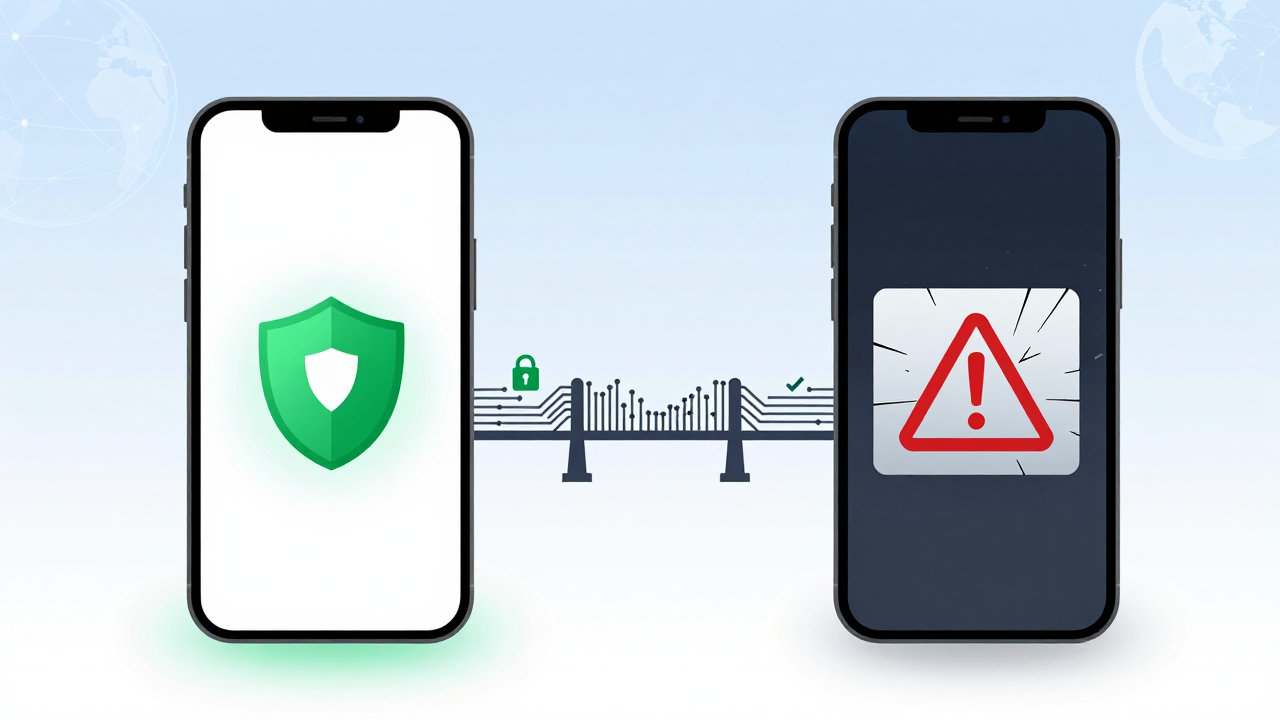
The biggest risk isn't failing to receive a code—it's the number's history. The number you get might have been used to register spam accounts, post prohibited content, or even get flagged as a robocall source. Registering a new account with that number is like being born with a criminal record: worst case, you trigger platform risk controls immediately; best case, verification just fails.
Another issue most people overlook is account retention. Many cross-border operators report that accounts registered via SMS verification have a 7-day retention rate of only 50% to 70%—significantly lower than accounts registered with real numbers. Why? Because platform risk systems track how frequently a number is used and the pattern of registrations. A number that gets used for multiple sign-ups in a short window is automatically flagged as high-risk.
Privacy is the third concern. Some smaller platforms log your registration details—even the verification codes themselves—and resell that data. When choosing a provider, you need to confirm they have a clear privacy policy, not just a cheap price tag.
How to Choose a Reliable SMS Verification Provider
Honestly? There's no such thing as "100% safe" in this industry—only "relatively reliable." My personal criteria boil down to three things: number pool cleanliness, responsive customer support, and pay-as-you-go pricing instead of forced bundles. Platforms like Getfollow have built a solid reputation in the space by following exactly this playbook—regular number pool cleansing, encrypted code transmission, and automatic refunds on failures. It's a decent fit for cross-border users.
But I wouldn't recommend diving straight into a big package. The smart move is to spend a small amount—like $20 to $30—on a test run. Watch three things closely: how fast codes arrive (ideally under 10 seconds), whether numbers get resold to others, and whether your freshly registered accounts get flagged. If a week of testing goes smoothly, then consider a longer-term arrangement.
One more piece of advice: don't put all your accounts on a single SMS verification platform. Even the most reliable provider can hit a wall—a security breach, an outage, or worse, a sudden shutdown. If that happens, your entire account matrix collapses. Diversify your risk. Always.
What's Next for SMS Verification: Compliance Is the Only Way Forward
As overseas platforms tighten their risk control systems, the old model of "dirty numbers" is dying out. Industry consensus is clear: the platforms that survive will be the ones with legitimate carrier partnerships, traceable number sources, and compliant data encryption. For cross-border businesses, this is actually good news—higher barriers mean fewer bad actors, which lowers your selection cost in the long run.
At the end of the day, SMS verification is just a tool. It all depends on how you use it. Using it to mass-register spam accounts? That's cheating. Using it to solve legitimate business verification needs? That's efficiency. The latter is where the real value of this industry lies.
If you're still evaluating whether to adopt SMS verification services, my advice is simple: map out your actual needs first. Are you looking for occasional emergency use, or high-frequency batch operations? Do you only need numbers from a few countries, or global coverage? Once you've answered those questions, then start testing. Remember—tools should always serve your business, not the other way around.
Frequently Asked Questions About SMS Verification
Is SMS verification legal for registering accounts?
Using temporary numbers for account registration isn't illegal in most jurisdictions, but it may violate the terms of service of specific platforms. The key is to use it for legitimate business verification needs rather than creating fraudulent or spam accounts.
How much does SMS verification cost?
Pricing varies widely by provider and country. Shared pool numbers typically cost between $0.05 and $0.50 per code, while dedicated numbers can range from $0.50 to $3.00 or more. Most reputable platforms offer pay-as-you-go options without minimum commitments.
What's the difference between shared and dedicated numbers?
Shared numbers are sold to multiple users simultaneously, which makes them cheaper but riskier—another user might intercept your code or the number might carry a poor reputation. Dedicated numbers are exclusively yours for a set period, offering higher success rates and better account security.
Can I use SMS verification for WhatsApp or Telegram?
Yes, many platforms support messaging app verification. However, these apps have aggressive anti-spam systems, so using a number with a clean history is critical. Dedicated numbers are strongly recommended for messaging app registrations.
How do I avoid getting my accounts banned when using SMS verification?
Stick to reputable providers with clean number pools, use dedicated numbers for important accounts, avoid registering too many accounts from the same IP address, and never use SMS verification for fraudulent purposes. Testing small batches before scaling up is always the smart approach.