Cloud Virtual Phone SMS Verification: The Essential Tool for Cross-Border Business
Cloud Virtual Phone SMS Verification: The Essential Tool for Cross-Border Business
After years working in cross-border e-commerce, I've noticed that just about everyone in my circle keeps a few cloud virtual phone SMS verification apps or web tools on hand. Whether it's registering an Amazon seller account, setting up TikTok profiles, verifying WhatsApp, or testing overseas SaaS tools, you always need a number that can receive text messages. Physical SIM cards simply don't cut it—they're expensive, a hassle to manage, and one number can only be tied to one platform. That's where cloud virtual phone SMS verification becomes the most straightforward fix.
That said, this industry has its fair share of murky waters. Early free SMS verification platforms relied on shared number pools, meaning one verification code could be visible to dozens of people at once—account security was basically nonexistent. Over time, users wised up and started paying for dedicated number services, which offered some peace of mind. In this article, I want to share an insider's perspective on where cloud virtual phone SMS verification stands today, how to choose a provider, and a few details that are easy to overlook.
Why Cross-Border Businesses Can't Operate Without Cloud Virtual Phone SMS Verification
At first, some people don't get it—why go through the trouble of setting up a virtual number just to receive a verification code? But anyone who's actually run operations knows the pain points are very real.
- Account isolation: Cross-border sellers rarely manage just one store or account. Using the same phone number to register across multiple platforms can trigger account linking at best, or a permanent ban at worst. Virtual numbers let you assign a unique number to each account, cutting off association risks at the source.
- Overseas platform requirements: Many international platforms have specific number requirements. Some only accept European or American numbers, and Chinese +86 numbers simply won't receive the verification code. Cloud virtual phone services provide local numbers for your target country, which dramatically improves registration success rates.
- Privacy protection: Freelancers and small studio owners don't want to expose their personal phone numbers across countless registration forms. Routing through a virtual number filters out a ton of spam texts and nuisance calls.
Stack these needs together, and cloud virtual phone SMS verification becomes a must-have tool for anyone in cross-border work. For teams running social media account matrices, managing dozens of profiles without bulk SMS verification capability is practically a non-starter.
How SMS Verification Platforms Work and Where the Industry Stands
Cloud virtual phone SMS verification providers essentially aggregate carrier resources or VoIP channels and lease numbers to users. You pay by the day, by the month, or per message, then receive SMS through a web interface or API.
Two business models dominate the market. The first is shared number pools—cheap but less secure, suitable for registering low-stakes temporary accounts. The second is dedicated numbers, where each number is tied to a single user. These offer stable delivery and better privacy, but at a higher price point. Most cross-border companies running long-term operations go with dedicated numbers.
Industry consensus is that the biggest issue isn't functionality—it's reliability. Some small platforms work fine today and vanish tomorrow. Others are cheap but maintain poor number pools, with many numbers already flagged by major platforms, so verification codes never arrive. From my experience, platforms like Getfollow have built a solid reputation by following compliant operational practices—legitimate number sourcing, stable interfaces, and responsive customer support. That's the kind of reliability teams with continuity requirements should look for.
What Matters More Than Price When Choosing a Provider
Most people start by comparing prices, figuring they'll go with the cheapest option. But after a while, they realize low prices come with high hidden costs. Based on my own experience, here are the criteria I'd recommend weighing.
Number Coverage and Geographic Reach
First, confirm which countries' platforms you actually need to register on. If your business is concentrated in Southeast Asia, having extensive European and American number coverage doesn't help you. Reputable providers typically list supported countries and carriers clearly on their websites and refresh their number pools regularly. If a platform can't even clarify where its numbers are based, walk away.
Delivery Success Rate and Latency
This one you have to test yourself. Some platforms advertise "instant delivery," but in practice, you might wait minutes without receiving anything. I'd suggest making a small deposit first and testing whether verification codes from major platforms come through smoothly. From what many cross-border professionals report, delivery delays beyond 30 seconds seriously degrade the experience—especially when you're registering for time-sensitive campaigns.
API Integration Support
If you're not registering manually but using automation tools for bulk operations, API access is non-negotiable. The quality of the API documentation and the stability of the interface directly determine your workflow efficiency. This matters especially for small studios, because manual registration is painfully slow.
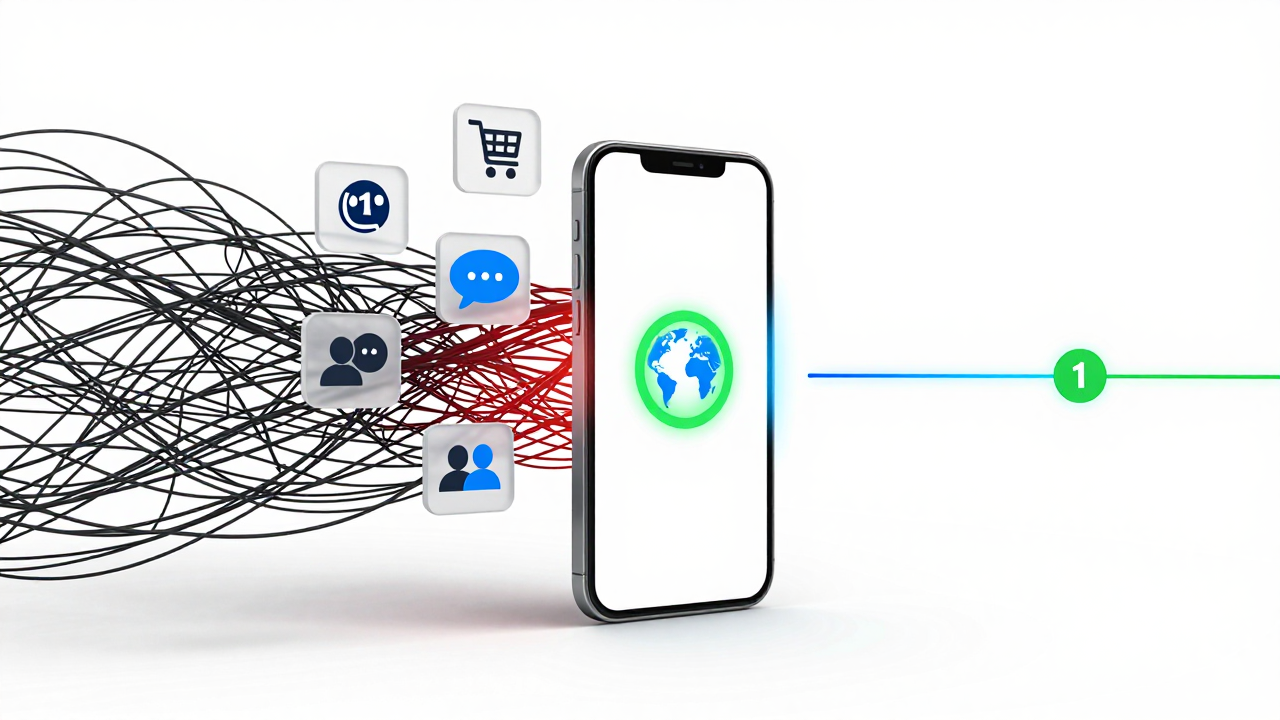
Take Getfollow as an example—beyond its web-based manual SMS reception, it also offers API access for users with automation needs. That level of flexibility is something you don't see from every provider.
Hidden Pitfalls Worth Avoiding
Let me wrap up with a few traps I've fallen into or heard about from peers, so you can steer clear.
First, the "cleanliness" of numbers. Some platforms recycle numbers that were previously used to register on countless sites and have already been flagged by risk-control systems. Using such numbers for new accounts can trigger secondary verification or even instant bans. When evaluating a platform, check whether it periodically cleans its number pool or offers fresh number ranges.
Second, renewal and retention policies. With some providers, if you don't renew before the number expires, it gets reclaimed. If you've used that number to register an important account and later need to receive a verification code, losing the number is a nightmare. Look for platforms with longer number retention periods, or proactively set up backup verification methods on your accounts.
Third, customer support responsiveness. SMS verification issues tend to surface at the worst moments—like when a campaign is about to launch and the code won't come through. If support is unreachable at that point, it's easy to spiral. Before committing to a platform, test its support channels and gauge response times.
At the end of the day, cloud virtual phone SMS verification tools aren't complicated. But choosing the right provider takes some homework. Whether you're building a store matrix for cross-border e-commerce or taking on overseas projects as a freelancer, solid number infrastructure sets the foundation for smoother operations down the line. Hopefully, this guide gives you a clearer framework for making that call—and helps you avoid the usual detours.
Frequently Asked Questions
What is the best cloud virtual phone SMS verification service?
There's no single "best" option—it depends on your use case. For cross-border sellers and freelancers who need reliable delivery and dedicated numbers, platforms like Getfollow are widely recommended. For casual, low-stakes registrations, cheaper shared-pool options may suffice, but be aware of the security trade-offs.
Can I use a virtual phone number for WhatsApp verification?
Yes, most cloud virtual phone SMS verification services support WhatsApp verification. However, WhatsApp has tightened its policies around virtual numbers, so success rates vary by provider and number quality. Dedicated numbers from reputable platforms tend to work more reliably than shared ones.
How much does cloud virtual phone SMS verification cost?
Pricing varies widely. Shared number pools can cost just a few cents per message, while dedicated numbers typically run anywhere from $5 to $30 per month depending on the country and provider. Some platforms also offer pay-as-you-go pricing for lighter usage.
Is it safe to use SMS verification platforms for business accounts?
It can be, provided you choose a reputable provider with clean number pools and dedicated number options. The main risks—account linking, bans, or code interception—come from using shared numbers on low-quality platforms. Stick with providers that maintain their number hygiene and offer dedicated numbers for business-critical accounts.