Android SMS Verification: Real Fixes for Cross-Border Businesses Missing Codes
Android SMS Verification: Real Fixes for Cross-Border Businesses Missing Codes
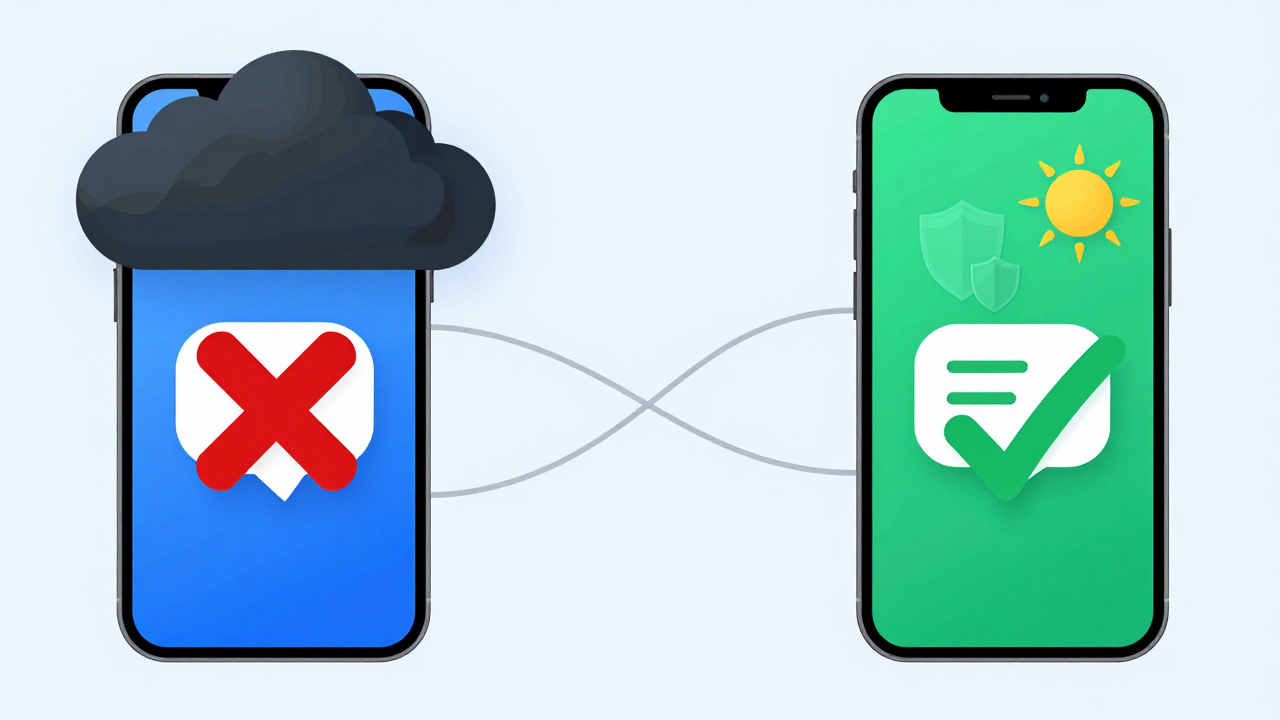
If you work in cross-border e-commerce, you know the pain of waiting for a verification code that never shows up. You enter your phone number, hit send, and nothing. For studios running multiple storefronts or social media matrices, the shortage of phone numbers is a constant bottleneck. That's why Android SMS verification tools have become essential. But here's the catch—the market is flooded with unreliable options. Pick the wrong one, and you're looking at delayed codes at best, or worse, a wave of banned accounts that costs you far more than the few bucks you saved.
Why Your Verification Codes Never Arrive: How SMS Receiving Works
Most people assume an Android SMS receiver app is a simple install-and-go tool. The reality is more nuanced. These platforms aggregate real SIM cards from around the globe. You request a temporary number through the Android client, and the platform forwards any incoming SMS straight to your app interface. Sounds straightforward, but the devil is in the details.
Industry consensus points to three factors that determine success rates: the cleanliness of the number pool, channel stability, and how well the platform handles anti-fraud rules. Many smaller platforms rely on recycled numbers—second or third-hand—that have already been flagged by major services. Try registering a fresh account with one of those, and the system instantly tags you as high-risk. The code never even gets triggered. This is the most common complaint we hear from cross-border operators.
Number Pool Quality: The First Hurdle to Receiving Codes
There's a simple, low-tech way to gauge a platform's number pool: check if it lets you pick specific number segments. If you're only offered random assignments, you're likely on a shared pool where success is a game of luck. More established providers—Getfollow is one that comes up frequently in industry discussions—offer filtering by country, carrier, and even specific number ranges. That level of control saves massive amounts of trial-and-error time when you're registering in bulk.
The Android Experience: More Than Just Installing an App
The design of the Android SMS verification client directly impacts your workflow. Some platforms ship apps that are painfully basic—manual refreshes, delayed notifications, clunky interfaces. A tool that actually works for a studio needs real-time push notifications, cloud-synced history, and the ability to monitor multiple accounts at once. These features sound basic, but you'd be surprised how few platforms deliver them reliably.
From my experience, a lot of seasoned cross-border operators keep two or three different SMS receiver apps installed as backups. It's not indecisiveness—it's insurance for when a single platform has an off day. But this strategy has a downside: frequently registering on the same platform with different numbers can actually trigger device fingerprinting and make things worse.
Beyond Basic Codes: How Pros Actually Use Android SMS Receivers
Most people think of SMS receiving as a simple "get the code" utility. In mature cross-border studios, though, these tools serve a wider range of purposes. Think initial verification for account matrix building, batch registration for social media profiles, or even grabbing one-time promo codes from platform campaigns. Each scenario demands a different type of number.
Take WhatsApp or Telegram, for instance. These apps have strict requirements around number "freshness." A number that was just released often has a lower success rate because it's been recycled through too many hands. Meanwhile, registering a buyer account on an e-commerce platform might prioritize whether the number's country code matches your IP address. A generic all-purpose app won't cut it for these nuances.
Don't Overlook Android Security Permissions
An Android SMS receiver needs access to your text messages—that's a sensitive permission by nature. Some shady apps take advantage of this to harvest your contacts, location, or even clipboard data. Before committing to a provider, verify it's listed on Google Play, has a public privacy policy, and offers enterprise-level API access. If a platform only distributes APKs via random websites and has no traceable developer info, skip it. Not worth the risk.
Cost Strategy: Mixing Temporary Numbers and Dedicated Lines
Many studios start by grabbing the cheapest temporary numbers—pennies apiece. But here's what happens: accounts registered on those numbers have abysmal survival rates. You nurture a profile for two weeks, and it gets banned overnight. The smarter approach used across the industry is a hybrid: use low-cost temporary numbers for high-volume registrations, and invest in monthly dedicated numbers for your core accounts. The combination keeps costs manageable while significantly boosting security.
For reference, here's what you'll typically pay: temporary numbers on Android SMS receiving services range from a few cents to a couple of dollars each. Dedicated numbers run anywhere from tens to hundreds per month. The price gap usually reflects number pool quality and customer support responsiveness. A recurring theme in user feedback: platforms with live human support during batch failures are ten times more reliable than those that only offer ticket systems.
Choosing a Reliable Provider: What Matters More Than Price
If you're searching with purchase intent, the big question is "how do I choose?" Price matters, but hidden costs matter more. Check whether the platform offers API batch calls—this determines if you can automate the entire SMS receiving process and integrate it into your own scripts. Also look at number release rules. Some platforms invalidate a number immediately after you receive a code; others hold it for 24 hours. The latter is far better for scenarios that require secondary verification.
Another common pitfall: payment terms. Some platforms demand large upfront deposits with no refunds, which strains small studios' cash flow. Reliable providers usually offer small trial packages or pay-as-you-go options. Spend a few bucks to test success rates before committing to a long-term deal. This logic applies to most tool-based services, and SMS receiving is no exception.
On the topic of specific providers, Getfollow has been generating a fair amount of discussion in cross-border circles lately. Its Android client supports parallel task processing, and the number release rules are friendly to secondary verification workflows. Quite a few social media management studios are using it. That said, it's not a one-size-fits-all solution—test it against your specific use case before scaling.
Know the Compliance Boundaries of SMS Receiving on Android
Let's get real for a moment. An Android SMS receiver is a neutral tool—what determines its legitimacy is how you use it. When registering overseas accounts, always respect the target platform's terms of service. Don't use virtual numbers for anything that crosses the line. And for anything involving real user privacy—financial accounts, payment systems—strongly consider using verified physical SIM cards instead. Saving a few dollars isn't worth jeopardizing your core operations.
There's an unwritten rule in this industry: SMS receiving platforms provide the technical service of receiving messages on a number. What you do with that number is your responsibility. Choosing a provider that explicitly states "for legitimate use only" is itself a form of self-protection.
Here's the bottom line: Android SMS verification solves the "not enough phone numbers" problem in cross-border business. But the tool is just the starting point. What actually separates successful operators is how they manage number resources, understand platform-specific risk controls, and evaluate a provider's long-term reliability. Start with small batch tests, then scale gradually. That's the safest path forward.
Frequently Asked Questions
What is the best Android SMS verification app for cross-border business?
The best choice depends on your specific needs. For bulk registration, look for platforms with clean number pools and API support—Getfollow is one option worth testing. For core account maintenance, dedicated numbers from established providers are more reliable. Always run a small trial before committing.
Why do verification codes fail to arrive on Android SMS receiver apps?
Three main reasons: the number pool is contaminated with flagged numbers, the platform's channel is unstable, or the target service has strict anti-fraud rules that block virtual numbers. Choosing a provider with fresh, clean numbers and stable channels is the most effective fix.
Are Android SMS receiving apps safe to use?
Legitimate apps are safe, but you need to verify the provider. Check for Google Play listing, a public privacy policy, and transparent developer information. Avoid APKs from random websites, as they may harvest your personal data through SMS permissions.
Can I use SMS receiving apps for WhatsApp or Telegram registration?
Yes, but success rates vary. These apps prefer "fresh" numbers that haven't been heavily recycled. Some platforms offer number filtering by age or usage history, which improves your chances. Be prepared to test a few numbers before one works.
How much does an Android SMS receiving service cost?
Temporary numbers typically cost a few cents to a few dollars each. Dedicated monthly numbers range from tens to hundreds of dollars, depending on the country and number pool quality. Start with a small prepaid package to test reliability before scaling up.