How SMS Verification Services Really Work: The 2026 Playbook for Cross-Border Businesses
How SMS Verification Services Really Work: The 2026 Playbook for Cross-Border Businesses
Let me start with a painful story. I've seen cross-border studios spend six months carefully nurturing accounts, only to wake up one morning to "suspicious login" alerts requiring phone verification. When they checked, the SMS verification number they'd used was long dead. No way to appeal. So, how do SMS verification services actually work? If you haven't figured this out by 2026, don't rush into bulk account creation.
The Real Business Model: Selling "Time Windows," Not Numbers
Most people assume SMS verification platforms simply sell you a phone number to receive a code, and that's it. That's a surface-level understanding. The reality in 2026 is that most platforms operate on "number pool rotation" and "virtual number segment reuse."
Here's how it works behind the scenes. Platforms bulk-purchase SIM cards from carriers or virtual operators, then distribute them to users via API. The few cents or dollars you pay buys a temporary usage right. That number might be recycled within 10 minutes and reassigned to the next customer.
This is where the critical catch lies: the "cleanliness" of a number determines whether your account survives its early days. Some platforms cut costs by letting dozens of people use the same number across different services. When you use it to register WhatsApp or Telegram, the backend flags the number segment as associated with spam accounts, and your account gets tagged "high risk" immediately.
From my own testing across different price tiers, one pattern stands out: numbers priced 30% below market average almost always come from abused number segments. They technically work, but they're disposable. Your long-term account nurturing costs will multiply as a result.
The "Two-Step Verification" Trap That Kills Cross-Border Accounts
Cross-border operators consistently report that the hardest part in 2026 isn't the initial registration—it's the "active verification" or "device fingerprint check" that hits on day two or day seven. WhatsApp, Telegram, and Instagram all run these checks on new accounts now.
And that's when you discover the number you used for verification has already been recycled. No new codes can arrive. Your account gets frozen or feature-limited. This is the most damaging part of the SMS verification game—platforms get you through the door, but offer zero after-sales support.
This is why industry veterans now agree: if you're running long-term operations, you can't use those "bare number" services that cost a few cents. You need services with a "number retention period" or "recycling window." Some platforms guarantee a number stays active for 7 days, allowing repeated code reception. It costs more, but it can literally save your account.
Real-World Cautionary Tale: A 5,000-Follower Account Lost
A friend of mine running independent site traffic bought 50 cheap SMS verification numbers in early 2026 to set up a TikTok account matrix. By day three, 40 accounts were mass-banned for "environmental anomalies." When he dug into the number details, he found they were consecutive numbers from the same virtual segment—previously used to register a flood of marketing accounts.
This case highlights a practical rule: always ask whether numbers come from "physical SIMs" or "virtual SIMs" before purchasing. Physical SIM segments carry far more weight and stability than virtual ones. Yes, they cost 2–3x more, but account survival rates jump by over 60%. Many platforms now support filtering by number segment—don't skip that extra two minutes to select "physical SIM."
The Split: "Compliance-First" Platforms vs. "Wild West" Operators
The 2026 SMS verification market has clearly divided into two camps. One side plays the "wild west" game—ultra-low prices, massive volume, zero quality guarantees. Fine for one-off registrations or promo abuse, but you bear all the risk. The other side, including platforms like Getfollow, emphasizes number "purity" and traceability, even offering API integrations for enterprise-scale management.
I'm not here to shill for anyone, but let's be objective: if your cross-border business involves money movement or client communication, choosing a compliance-first platform isn't optional—it's the baseline. In 2026, social platforms run sophisticated algorithms that build a "trust graph" based on registration timing, activity history, and linked devices. A number from a wild-west platform may start with zero trust score.
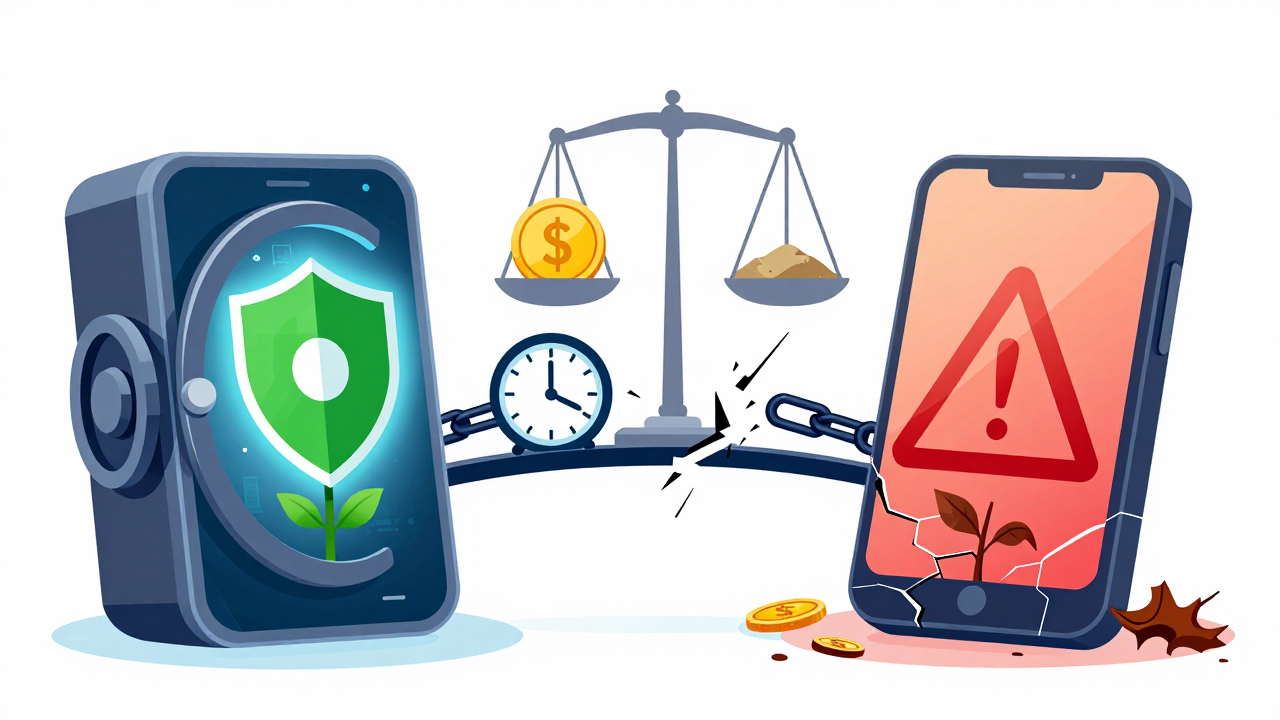
The industry consensus is straightforward: SMS verification is fundamentally a "trust transfer" purchase. If the platform can't guarantee where its numbers come from, every downstream operation you run is building on sand. That's why many cross-border studios now allocate dedicated budget for higher-cost, higher-stability verification services—they've learned the hard way that skimping here backfires.
Three Major Shifts in the 2026 SMS Verification Market
If your understanding is stuck in 2024, you're going to get burned. Here are three shifts I've observed this year:
- AI-driven risk control: Platforms no longer just check if a number is valid. They analyze the IP address, device model, and even typing speed during code reception. Pairing verification numbers with residential proxies is now standard practice.
- Widening price gaps by number segment: Western segments (US, UK) keep climbing in price, while some smaller Southeast Asian markets have crashed. But those cheap segments also come with terrifying ban rates.
- "Number retention" as a selling point: Many platforms now offer monthly retention plans—pay a fixed fee, and your number won't be deactivated due to non-payment or recycling. This model suits long-term operators.
These shifts all point to one trend: SMS verification has evolved from a one-off tool into long-term asset management. How you treat your verification numbers determines how far your cross-border accounts can go.
How to Pick a Reliable Provider: A Practical Checklist
Since we're talking practical decisions, here's the framework I've refined through discussions with fellow cross-border service providers. It's not perfect, but it'll help you avoid 80% of the bad actors out there.
| Screening Criteria | "Wild West" Platform Traits | Compliance-First Platform Traits (e.g., Getfollow) |
|---|---|---|
| Number source | Vague; just says "virtual number" | Clearly labels physical/virtual SIM; supports segment filtering |
| After-sales support | No refunds after number dies; support goes silent | 7-day retention guarantee; replacement numbers issued |
| API capability | Manual web-based retrieval only | Full API documentation; bulk calling supported |
| Price transparency | Low prices upfront; hidden fees later | Clear pricing; per-use or subscription models |
| Risk disclosure | No warnings; just collects payment | Flags risk levels for specific number segments |
This table isn't a shopping list—it's a lens for evaluation. In 2026, every provider claims to be "compliant." The real test is whether they'll put their number sourcing in writing. If they won't, you already have your answer.
Final Takeaway: Test Small First, Then Scale
Back to the original question—how do SMS verification services work? The "trick" boils down to two things: selling the information gap created by time windows, and selling risk that lands on the user. Your job as a cross-border business or independent operator is to see through these dynamics and pick a service model that fits your needs.
My advice: regardless of what any platform claims, spend a small amount to test 3–5 numbers first. Register a few low-stakes accounts, run them for two days, and monitor survival rates and two-step verification pass rates. Only after testing should you consider long-term contracts. In 2026, steady and methodical beats aggressive and reckless every time. Hope this guide helps you sidestep the pitfalls and put your energy where it matters—growing your business.
Frequently Asked Questions
What is the difference between physical SIM and virtual SIM verification numbers?
Physical SIM numbers come from actual carrier-issued SIM cards and carry higher trust scores with platforms like WhatsApp and Telegram. Virtual SIM numbers are software-based and cheaper, but they're heavily associated with spam activity. For long-term account health, physical SIM numbers are worth the extra cost.
Why did my account get banned even though the verification code worked?
Receiving a code is just step one. Platforms now run behavioral checks—IP address, device fingerprint, and usage patterns—within the first week. If your number came from a recycled or abused segment, your account inherits that negative history. This is why number "cleanliness" matters more than whether the code arrives.
Can I use free SMS verification services for cross-border business accounts?
Technically yes, but you're gambling with your business assets. Free services typically use heavily abused number segments with near-zero trust scores. For anything involving client communication or financial transactions, the cost of a banned account far exceeds what you'd save on verification fees.
How much should I expect to pay for reliable SMS verification in 2026?
Pricing varies by country and number type. Physical SIM numbers from US or UK segments typically range from $0.50 to $3 per number, with retention plans costing more. If a price looks too good to be true, it almost certainly is—and your account survival rate will reflect that.