How to Choose an e码 SMS Verification Platform: Hard-Learned Lessons and Compliance Insights From a Cross-Border Veteran
How to Choose an e码 SMS Verification Platform: Hard-Learned Lessons and Compliance Insights From a Cross-Border Veteran
Here's the bottom line: there's no universally "good" or "bad" e码 SMS verification platform—only ones that fit your needs or don't. Too many cross-border teams fixate on price, only to register a dozen overseas accounts and watch them all get banned within 24 hours. That's not a code problem; it's a platform architecture problem. I've tested quite a few platforms myself, and combined with feedback from my cross-border network, it's time to share some honest observations.
Why Do Your Verification Accounts Keep Getting Flagged? Three Industry Open Secrets
Many newcomers assume SMS verification is just about receiving a code. In reality, there are three layers of opacity between the number resources and the carrier channels. The first layer is number sourcing—some platforms use IoT card segments, which get instantly rejected by the risk controls on Amazon and TikTok Shop. The second layer is reuse rate. Industry consensus holds that once a number has been used by more than five users, your odds of triggering secondary verification double. The third layer is price—but most people get the order wrong.
From my experience, starting in the second half of 2025, risk control models across major cross-border platforms got a collective upgrade. Previously, receiving a code successfully was enough to pass. Now platforms check device fingerprints, IP cleanliness, and even the time intervals between your actions. In other words, if your verification platform only offers "receive code" as a service, it's essentially a bare-bones tool with zero protection.
A Painful Real-World Case: One Studio's Costly Mistake
A friend running a dropshipping site decided to save money by using a budget platform to mass-register PayPal business accounts. The first three days went smoothly. On day four, verification requests started rolling in. He assumed it was a documentation issue—turns out the number segment was flagged. That platform's number pool was heavily contaminated with numbers tied to black-hat operations, and the entire segment had been blacklisted. He spent two weeks scrambling and lost the cultivation cost of over a dozen accounts. He eventually switched to a pay-per-use platform that explicitly labeled its numbers as "pure physical SIM segments," and the problem disappeared. What's that lesson worth? At least a month of profit.
A Transaction-Focused Decision Guide: Three Filters for Choosing an e码 SMS Verification Platform
Since the search intent here is "how to buy," let's talk selection criteria directly. Skip those "top 10 platform rankings"—they're mostly sponsored content. What actually matters comes down to three things: number quality, failure compensation policies, and whether self-service testing is available.
- Number Quality: Ask customer support for the number segment prefixes from the past week, then check ownership on the corresponding carrier's official site. If they're virtual operator segments, walk away. Also, request their "first-use success rate" data—top performers in the industry typically hit above 85%. Anything lower isn't worth your money.
- Failure Compensation: Many platforms advertise "refund on failure," but you need to clarify whether the refund goes to your balance or back to your card, and whether there's a disclaimer for "code received but registration failed." Here's a common trap: some platforms define "receiving the code" as success, even when the code turns out to be expired or reused during actual registration—that's on the platform, not you.
- Self-Service Testing: A reliable e码 SMS verification platform will always offer a low-cost test package—something like a few dollars to try registering a low-stakes account first. If they won't even let you test, they're probably hiding something.
On the compliance side, platforms like Getfollow have built a solid reputation by following exactly this playbook: clearly labeling number sources, providing detailed failure logs, and supporting pay-per-use instead of forcing prepaid bundles. It's not perfect, but at least you can see every step before you commit.
Industry Reality Check: Free vs. Paid Verification Platforms
Plenty of solo operators still rely on free verification sites, thinking "as long as I get the code, it's fine." What you're missing is that free platforms have publicly exposed number pools, meaning the same batch of numbers has been hammered by thousands of users. Accounts registered through them start with inherently lower trust scores, and your downstream cultivation costs climb significantly. Worse, free platforms frequently go down late at night or during peak hours—exactly when cross-border operations never sleep.
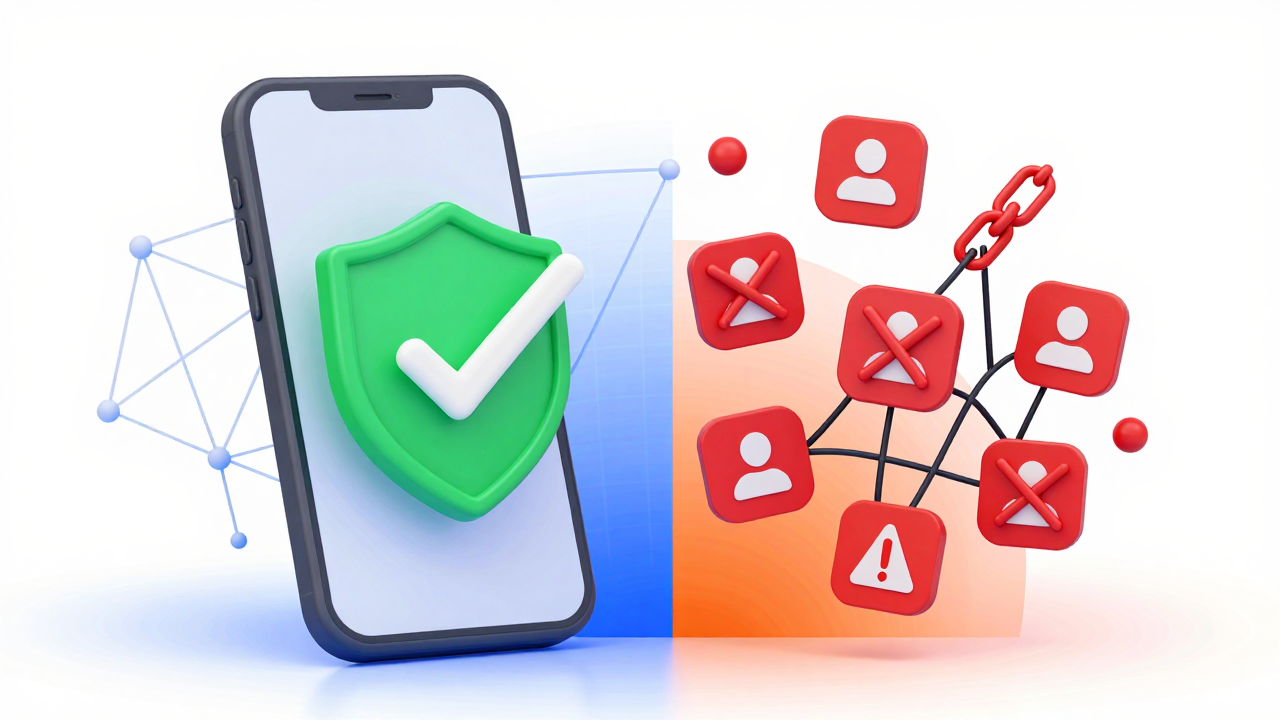
Industry consensus puts the account retention rate for paid e码 SMS verification platforms at 50% to 70%, while free platforms typically sit below 20%. This isn't a numbers game—it's the actual outcome of real operations. Spending $10 on codes can save you $100 in wasted ad spend, because higher account survival rates mean lower learning-period costs.
That said, let me pour some cold water on the "exclusive number" hype. True exclusive numbers cost a premium, and most scenarios don't actually need them. For lightweight operations like registering social media accounts or verifying emails, a quality shared number with a capped reuse count is more than sufficient. What matters is whether the platform actually enforces those reuse limits.
Risk Warnings and Actionable Advice
Let's wrap up with some practical guidance. No matter which e码 SMS verification platform you choose, keep three principles in mind. First, always test small before scaling—put in $50, register five accounts, and observe their survival rate over a week before committing long-term. Second, never put all your eggs in one basket; have at least two backup platforms so a single failure doesn't halt your operations. Third, regularly clean up unused accounts—many risk flags stem from prolonged inactivity, which has nothing to do with the verification platform itself.
In cross-border e-commerce, the devil is in the details. SMS verification is just one link in the chain, but if that link breaks, all your marketing, product selection, and site-building efforts go down the drain. I hope these field-tested observations help you sidestep a few landmines. If you have a specific registration scenario in mind—TikTok, Amazon, WhatsApp, whatever—drop a comment below and I'll do my best to respond.
Frequently Asked Questions
What's the difference between a virtual number and a physical SIM for SMS verification?
Virtual numbers (including IoT segments) are often flagged by major platforms like Amazon and TikTok Shop because they're widely used in automated or fraudulent activity. Physical SIM numbers carry real carrier registration and pass risk checks far more reliably. If a platform can't tell you which type you're getting, that's a red flag.
Why do my verified accounts keep getting banned even with a paid platform?
Account bans are rarely caused by the verification platform alone. Risk control systems evaluate device fingerprints, IP quality, and behavioral patterns alongside the number. If your device or IP is contaminated, even the cleanest number won't save you. Always pair a good verification platform with a clean device and residential IP.
How many times can a shared number be reused before it becomes risky?
Industry benchmarks suggest that once a number has been used by more than five users, the probability of triggering secondary verification doubles. Quality platforms cap reuse limits automatically—usually between 3 and 5 uses per number. Always ask about reuse limits before purchasing.