Best SMS Verification Platforms for Reusing Numbers in 2026: A Cross-Border Survival Guide
Best SMS Verification Platforms for Reusing Numbers in 2026: A Cross-Border Survival Guide
If you're running an e-commerce store, managing social media accounts overseas, or registering accounts in bulk, you've probably noticed something shift this year—platforms have gotten a lot smarter about fraud detection. What used to pass with a random number now gets stuck at the SMS step. And it's especially frustrating when you need to receive a verification code for a second time—like for login protection, account recovery, or linking a new device. That's why having a dependable SMS verification platform that supports reusing numbers has become essential for many teams.
But let's be honest—this industry is a mixed bag. I've seen too many people grab the cheapest option, only to have their accounts flagged right after registration or even trigger restrictions on their main accounts. So let's talk about what the landscape looks like in 2026 and how to pick a platform that won't leave you stranded.
Why Reusing Numbers for SMS Verification Became a Hot Topic in 2026
Cross-border professionals are reporting that overseas platforms now trigger "new device login" and "unusual location" checks way more often. What used to be a monthly SMS verification is now happening three or four times a week. Facebook, WhatsApp, and Telegram, in particular, have tightened their requirements around "environment consistency" after their latest algorithm updates.
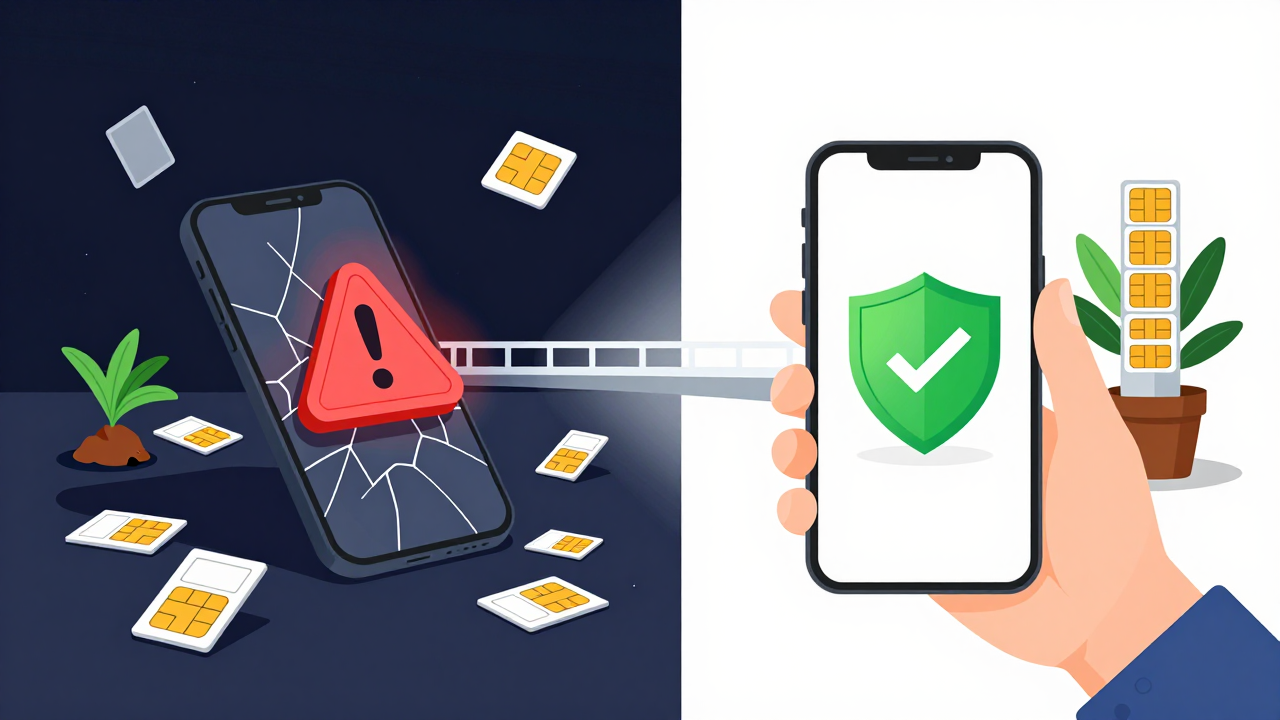
Here's the practical problem: the phone number you used during registration might have expired or been recycled by the carrier. When that second verification request comes in, you realize you can't receive the code, and your account is locked out. That's when a platform offering SMS verification with number reuse becomes a lifesaver.
But here's the catch—many platforms only support one-time verification during registration. After that, the number is gone. A platform that genuinely supports reusing numbers needs to hold the same number for an extended period or offer rebinding after recycling. The technical requirements and operational costs are on a completely different level.
The 2026 Landscape: Three Main Types of SMS Verification Platforms
From what I've observed, platforms that let you reuse numbers for SMS verification generally fall into three categories. Understanding the differences helps you figure out which one fits your situation.
Type 1: Virtual Number Pools with Pay-Per-Use Pricing
These platforms have a large pool of virtual numbers. You pay, get assigned a number, and each SMS received costs a small fee. The upside is affordability. The downside? These numbers are shared—someone else probably used them to register on various platforms already, so their trust score is low. In 2026, many platforms have become quite good at detecting virtual number ranges, making these numbers easy to flag.
Plus, this type rarely supports true number reuse. Once you're done, the number gets reassigned to someone else. If you need to maintain accounts long-term, this approach is risky.
Type 2: Physical SIM Pools with Dedicated Numbers
Another model involves platforms purchasing physical SIM cards, housing them in server rooms or distributed devices, and renting out usage rights to specific numbers. These are real carrier numbers, so they carry more weight in risk assessments. Many studios running bulk account operations prefer this route.
One detail to watch: how long is the "exclusive period"? Some platforms advertise "permanent exclusivity" but quietly recycle numbers after three months. My advice—ask upfront: if the number gets recycled, can the platform forward verification codes to your backup email? That detail directly impacts your account security.
Type 3: Hybrid Models with Custom Solutions
The more mature approach in 2026 is platforms offering hybrid solutions based on your specific use case. For example, using virtual numbers during registration to cut costs, then switching to physical SIM numbers during the account nurturing phase to boost trust scores. Platforms like Getfollow have built a solid reputation using this compliance-first logic—they match you with different tiers of number resources based on your target platform, registration volume, and usage frequency.
This model offers flexibility, but only if the platform operator genuinely understands cross-border business rather than just selling numbers. I've tested platforms where support staff couldn't even explain the difference between one-time verification and number reuse—those get an immediate pass from me.
A Real Cautionary Tale: How a Studio Lost Everything
Earlier this year, a friend running a TikTok Shop operation told me they'd spent over two thousand yuan on an "unlimited verification" package. Within a week, all their accounts were hit with secondary verification requests. When they contacted support, the response was "numbers have been recycled, unable to receive codes." They watched their account balances and follower data vanish.
This story is painfully common. What went wrong? First, they chose a pay-per-use virtual number pool with zero reuse capability. Second, they never tested what happens after number recycling. So, before signing with any platform, do two things:
- Get a test number and simulate a "day 7 and day 30 post-registration" verification scenario to confirm codes come through reliably.
- Ask explicitly: if the number is recycled, does the platform offer code forwarding or number renewal options?
This testing costs almost nothing but can save you from a massive headache later.
How to Tell If a Platform Actually Supports Number Reuse
Based on the analysis above, here's a practical checklist for vetting platforms in 2026:
1. Verify the Authenticity of Number Resources
Don't fall for "lowest price on the internet." In 2026, overseas carriers are cracking down hard on virtual numbers. A real physical SIM has a baseline cost—if the price is significantly below market average, it's almost certainly a virtual number pool. Ask for number origin and carrier details, then verify using independent number-checking tools.
2. Confirm Whether "Number Retention" Is Supported
This is the core of number reuse. A reliable platform will let you retain a number at a low cost—say, a few dollars per month as a retention fee. If the platform only supports one-time purchases with no retention mechanism, it's still a traditional verification service and not suitable for long-term operations.
3. Assess Their Risk Response Capabilities
In 2026, SMS channels frequently get restricted by carriers or target platforms. A competent provider will maintain multiple backup channels and switch quickly based on your feedback. Ask support directly: "If a channel goes down, how fast can you switch?" If they hesitate, proceed with caution.
4. Test Customer Support Response Time
Cross-border work means time zone differences—you might hit a verification issue at 2 AM. Test their response time: instant reply or next-day? This determines whether you can resolve account lockouts quickly.
Comparison: Which Solution Fits Your Use Case
| Solution Type | Best For | Cost Range (2026) | Key Risk |
|---|---|---|---|
| Pay-Per-Use Virtual Numbers | One-time registrations, accounts you won't maintain | $0.01–$0.07 per SMS | Low trust score, no number reuse |
| Physical SIM Number Rental | Accounts needing long-term nurturing and operation | $3–$12 per month per number | Numbers may be recycled—confirm retention policy |
| Custom Hybrid Solutions | Teams running bulk operations across multiple platforms | Project-based pricing | Depends on provider expertise—test before committing |
Use this table to clarify your thinking, but the final choice depends on your actual workload. I've seen solo operators register a dozen accounts a month and waste money on physical SIM packages. And I've seen teams lose thousands trying to save a few bucks on virtual numbers. Do the math first.
Compliance Trends in 2026: Know Where the Lines Are
One final note—SMS verification platforms operate in a gray area, but the industry is moving toward compliance. Leading platforms now require user identity verification and restrict use cases—like prohibiting mass registration of spam accounts or fraudulent activity. That's a positive sign of industry consolidation.
But as a user, keep this in mind: if a platform doesn't vet your use case and accepts anyone, their number resources probably aren't clean either. These platforms carry high exit risk—several small operators have already vanished with user funds this year. Choosing a platform with compliance awareness might cost a bit more, but at least they won't disappear overnight.
Final Recommendations
At its core, an SMS verification platform with number reuse is a tool for buying stability. The industry has moved past its wild growth phase, and the providers that remain each have their strengths. My advice: test small before committing big. No matter how impressive the pitch, spend a few dollars on a trial period to verify number stability, reuse success rates, and support responsiveness before scaling up.
If you're looking for a reference point, check out how platforms like Getfollow operate—they tier their number resources and apply different strategies based on platform risk levels. That level of operational sophistication suggests a team that knows what they're doing. But the final call should always come from your own testing.
In cross-border business, account security is the foundation. If the foundation is shaky, everything built on top is at risk. Hopefully, this guide helps you avoid the common pitfalls and get your account verification process running smoothly in 2026.
Frequently Asked Questions
Can I receive SMS verification codes on the same number more than once?
Yes, but only if the platform specifically supports number retention or reuse. Standard pay-per-use platforms typically don't—they reassign numbers immediately after use. Always confirm this capability before purchasing.
What's the difference between one-time verification and number reuse?
One-time verification means the number is used for a single SMS and then discarded. Number reuse means the platform holds the same number for you over an extended period, allowing you to receive multiple verification codes—essential for login protection, account recovery, and device binding.
How much does it cost to keep a number for repeated verification?
Physical SIM number retention typically costs between $3 and $12 per month, depending on the provider and the target platform's risk level. Virtual numbers are cheaper but come with higher ban risks.
What happens if my number gets recycled while I still need it?
It depends on the platform's policy. Reliable providers offer code forwarding to a backup email or allow you to renew the number before recycling. Always ask about this scenario before signing up.
Are SMS verification platforms legal to use?
The platforms themselves operate in a regulatory gray area, but the industry is moving toward compliance. Legitimate providers require identity verification and restrict abusive use cases. Choose platforms with transparent policies to minimize legal and operational risks.