How to Learn SMS Verification Code Services: Real Cross-Border Experience and Pitfalls to Avoid
How to Learn SMS Verification Code Services: Real Cross-Border Experience and Pitfalls to Avoid
If you're new to cross-border e-commerce, your first encounter with SMS verification services probably left you scratching your head. How do you actually learn this stuff? At its core, it comes down to three things: how verification platforms operate, what registration details matter, and how to avoid getting flagged by risk control systems. Over the years, I've watched too many teams stumble on these exact points, so let's break down what the industry actually does right—and what it gets wrong.
Understanding the Basics of SMS Verification Services
At its simplest, an SMS verification platform gives you access to real phone numbers. You use their API or web interface to receive verification codes and register overseas accounts. Sounds straightforward, but there's more to it than meets the eye. Newbies often jump straight into bulk registration, only to watch their accounts get banned before they've even warmed up. The culprit is almost always dirty IP addresses or poor number quality.
The first step in learning SMS verification isn't hunting for a platform—it's clarifying what you actually need:
- Which platform are you registering for? Different services have different preferences when it comes to number segments.
- What's your registration volume? Registering dozens a day versus hundreds demands completely different platform capabilities.
- What's your budget? Pricing varies wildly, from fractions of a cent to several dollars per code.
Once you've nailed down these three points, choosing your tools and providers becomes a much clearer process.
Three Details That Trip Up Most Beginners
From what I've seen across the industry, the biggest hurdles in learning SMS verification aren't technical—they're the small operational habits people overlook. Here are the three details that deserve your attention.
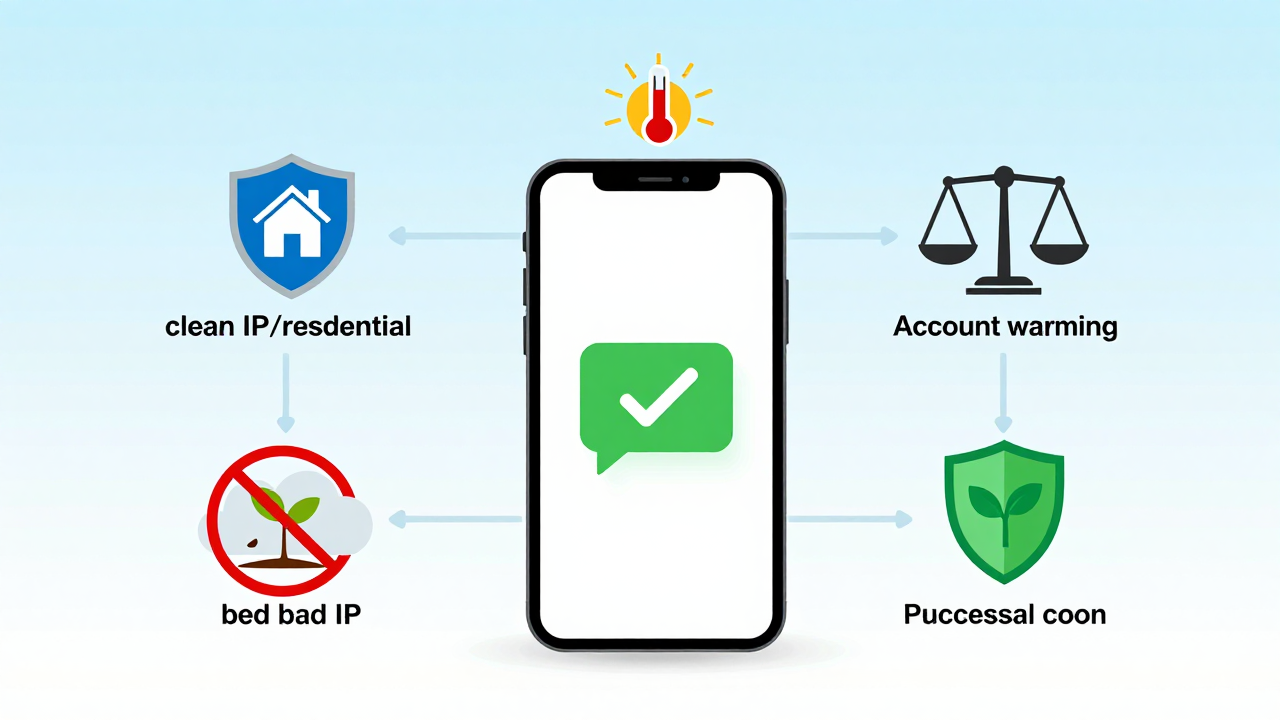
First, your IP environment has to be clean. SMS verification itself isn't complicated, but if you're switching between accounts on the same IP, risk control systems will flag you instantly. Pair your setup with residential proxies—avoid datacenter IPs at all costs. Otherwise, even the best number resources won't save you.
Second, number selection requires strategy. Virtual numbers and physical SIM card numbers differ significantly in price and success rates. If you're registering for social platforms, go with physical SIM segments. For less strict utility apps, virtual numbers offer better value. Finding that balance takes a few rounds of trial and error.
Third, don't skip the account warming phase. Receiving the code is just the beginning—you can't abandon the account right after registration. Many platforms put new accounts under observation, and you need to mimic normal user behavior within the first few days: completing profiles, browsing pages, that sort of thing. Most tutorials skip this part, but it's often the deciding factor between a surviving account and a dead one.
The Current Landscape: Provider Quality Varies Widely
The market is flooded with SMS verification platforms, but genuinely reliable ones are harder to find than you'd think. Some platforms advertise "unlimited SMS verification" but recycle numbers so aggressively that your registration success rate plummets. Others have unstable APIs that fail during peak hours, wreaking havoc on your operations.
From my experience, the more stable players in this space are providers that maintain their own number pools and offer proper API documentation. One example that consistently comes up in industry conversations is Getfollow—they follow this compliant operational model, with solid number refresh rates and dependable success metrics. It's not the only option out there, but it represents the kind of direction worth looking into.
One more thing: don't chase the cheapest option. Some platforms quote absurdly low prices, then hit you with hidden fees and number markups that end up costing more overall. There's a common saying in the industry: stability and success rates are the core of SMS verification services—price is a secondary consideration.
A Practical Learning Path for Beginners
If you're starting from zero, follow this roadmap to make the most of your time:
- Spend half a day familiarizing yourself with the documentation of one or two mainstream platforms. Understand how their APIs work and how billing is structured.
- Run a small-budget test. Register accounts on several different platforms and track your success rates and response times.
- Map out your specific use cases. Determine which number segments you need and what your budget ceiling looks like.
- Scale up gradually while building your own IP management and account tracking workflows.
This process takes about a week, but it lays a solid foundation. Learning SMS verification services isn't about mastering complex theory—it's about accumulating hands-on experience. Once you've hit a few walls, it starts to click.
One final note: the SMS verification industry operates in a gray area, but using it legitimately is completely fine. Registering for overseas business expansion, multi-account testing, or receiving verification codes are all valid use cases. The key is choosing a trustworthy provider and following each platform's rules—don't use these services for malicious registrations or mass account farming.
At the end of the day, learning SMS verification comes down to this: pick the right tools, use the right methods, and stay on the right side of the rules. Hopefully this guide helps you skip a few detours and get your operation running smoothly.
Frequently Asked Questions
What is the best way to learn SMS verification services?
Start by understanding your own needs—which platforms you're registering for, your volume, and your budget. Then study the documentation of one or two reputable providers, run small-scale tests, and gradually scale up while tracking your success rates.
How do I avoid getting my accounts banned when using SMS verification?
Use clean residential IPs instead of datacenter proxies, choose the right number segments for each platform, and don't skip the account warming phase. Platforms monitor new accounts closely, so mimicking normal user behavior in the first few days is critical.
Are cheap SMS verification platforms worth it?
Usually not. Low-priced platforms often hide fees, recycle numbers excessively, and have unstable APIs. The industry consensus is that stability and success rates matter far more than price—what seems cheap upfront often costs more in the long run.