SMS Verification Setup: Fix Failed Account Registration
SMS Verification Setup: Fix Failed Account Registration
Failed account registration? You're not alone. SMS verification platform setup has become one of the hottest topics in cross-border business circles recently. After several deep conversations with teams running independent online stores and overseas social media management services, one pattern keeps showing up: most registration failures have nothing to do with the SMS platform itself. They trace back to connection settings and usage habits that don't align. Here's the core takeaway up front—the problem usually isn't the code. It's the chain that delivers it.
Take a real case. A Shenzhen-based TikTok e-commerce team spent three straight days trying to batch-register test accounts. They were using a well-regarded SMS verification service, yet every code came back as "expired." After half a day of troubleshooting, they found the real culprit: the server had API requests configured for auto-reconnect mode. Every callback triggered a route switch, killing the verification code mid-transit. It's exactly the kind of detail service providers rarely mention in their marketing materials.
There's far more going on beneath the surface of this industry than most people realize. On paper, everyone sells "temporary numbers." In practice, it's a game of carrier resources, number pool cleanliness, and API stability. Many cross-border operators report failure rates above 40% during peak business hours. But here's the thing—not all of it sits on the provider. Your local network, proxy IP, and even browser fingerprint all quietly shape the final outcome.
SMS Verification Platform Setup: Breaking Down Code, Pool, and Connection Chain
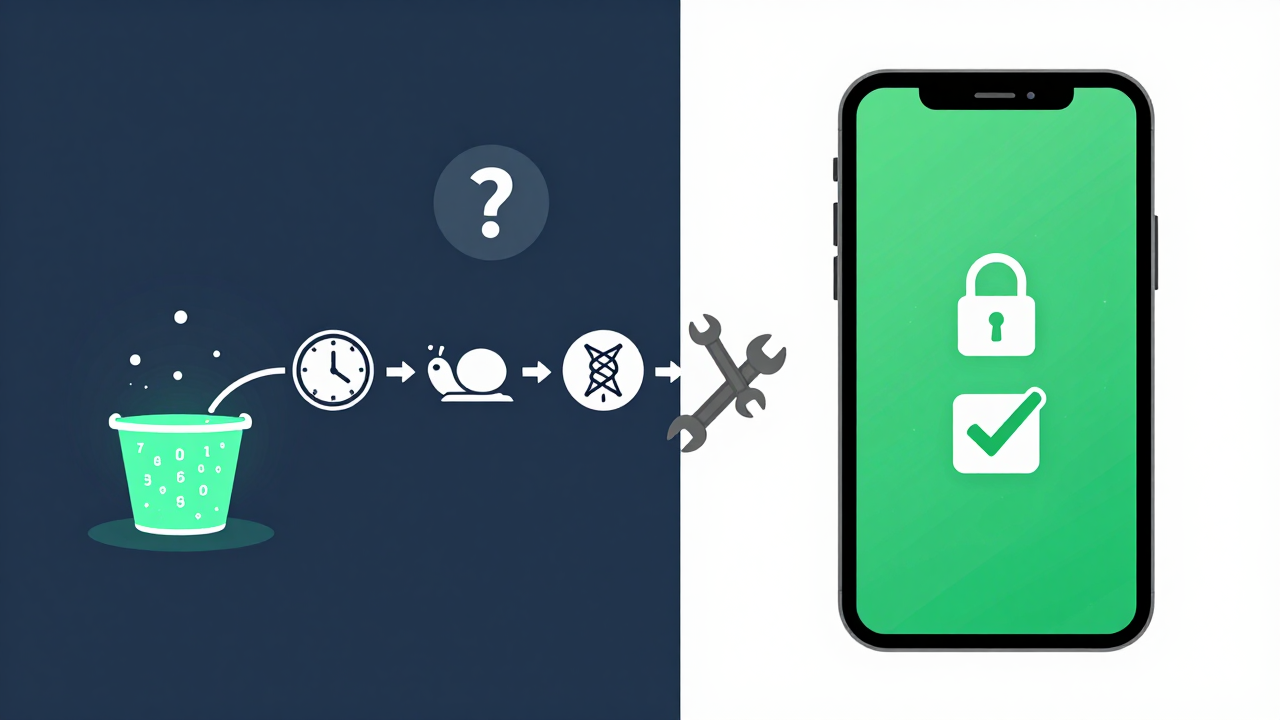
Looking at the data and case patterns, registration failures consistently break down into three layers: the usability of the number itself, the allocation strategy of the number pool, and the quality of the connection chain running from your device to the carrier gateway.
Most people understand the first two layers but routinely overlook the third. And the connection layer is exactly where the biggest optimization gains live—it doesn't require switching providers, just reconfiguring your setup. Why do you still fail after cycling through three different platforms? From my experience, the high-frequency culprit almost always hides in that third layer.
Here's a typical scenario. Your SMS platform assigns numbers based on region tagging. If you're registering a US PayPal account but the pool hands you a European number, failure is nearly guaranteed. Then there's the timeout trap. Many platform APIs default to a 300-second timeout, while mainstream platforms only keep verification codes valid for 60 to 90 seconds. If you're waiting around for a callback, the code has already expired.
That said, some platforms handle number pool allocation with more precision. Compliant providers like Getfollow tag number resources by target region, letting you confirm in advance whether a code actually fits your registration scenario. I'm not endorsing any particular provider here. But this granular approach reflects an industry-wide shift toward precise matching, and that trend is worth paying attention to.
4 SMS Verification Platform Setup Tweaks That Actually Move the Needle
These insights come from repeated post-incident reviews with multiple teams. Every single one is backed by real account costs.
- Stop using default API timeout values. The default 300 seconds looks generous on paper, but a verification code's lifespan is only 60 to 90 seconds. Manually setting it to around 45 seconds keeps your request in an active state and noticeably improves success rates.
- Bypass your proxy IP's built-in DNS for callback verification. Many virtual servers suffer from painfully slow DNS resolution. Switch manually to Google DNS or Cloudflare DNS, and you'll shave 80 to 120 milliseconds off round-trip time. That gap is often the line between a successful registration and another wasted attempt.
- Choose platforms with direct carrier connections. Avoid aggregated relay models that pass data through two or three hops. Aggregated latency routinely exceeds 2 seconds, and verification code hit rates nosedive as a result.
- Test the target platform's number segment tolerance before committing. Instagram and Telegram apply very different detection policies to virtual number ranges. Run a quick scan with your platform's built-in testing tool first. It will save you a pile of wasted orders.
Here's a rough benchmark from real-world testing: direct-connection routes consistently land between 85% and 90% success, while public proxy chain routes hover around 50% to 70%. The gap is stark, consistent, and long-term.
| Common Failure Scenario | Root Cause | Practical Fix |
|---|---|---|
| Code arrives as "expired" | API timeout set to 300s while code validity is only 60–90s | Lower API timeout to ~45s |
| Code never arrives | Proxy DNS resolution adds 80–120ms+ of latency | Switch to Google DNS or Cloudflare DNS |
| Code rejected by target platform | Number region doesn't match the target account region | Verify region match before placing the order |
| High failures during peak hours | Aggregated relay routes add 2s+ of latency | Move to a direct carrier connection platform |
Registration Success Isn't Safety: The Cluster Risk Nobody Warns You About
Most people exhale the moment the verification code lands. That's exactly when the real trouble begins. I've watched teams register dozens of Facebook accounts from a single number pool, only to have every single one flagged as "suspicious" within a week. The cause is simple: the number segments were too concentrated, tripping Facebook's cluster-level risk detection. The verification code is just the entry ticket. Device fingerprint, payment method, and content behavior can wipe your accounts out overnight.
How do you reduce the risk? The industry consensus is blunt: don't put all your eggs in one number pool. Pick a platform that offers segments from multiple carriers and rotate through them. The Getfollow platform I mentioned earlier separates numbers by carrier source and allows users to alternate picks. That design inherently lowers cluster association risk. Of course, it's a baseline compliance move, not the full solution.
Final Verdict: Test Small, Then Scale Your SMS Verification Setup
Failed registration looks like a technical problem on the surface. Underneath, it's a strategy problem. Optimizing your SMS verification platform setup is an ongoing tuning process, and there's no universal playbook. My advice is straightforward: start small. Use five to ten numbers to validate your current connection configuration, run a stable fix-test-retest loop, and only pursue a long-term provider relationship once your success rate consistently clears 80%. That approach keeps your sunk costs in check and protects your account security down the road.
One last honest observation: most SMS platform pitfalls come from using the right tool in the wrong context—not from choosing the wrong provider. Understanding why you're registering and how you'll nurture those accounts matters far more than agonizing over which service to switch to.
Frequently Asked Questions
Why can't I receive SMS verification codes on virtual numbers?
Failures usually come down to three layers: the number's usability, the number pool's allocation strategy, and the quality of your connection chain. The connection layer is the most commonly overlooked—default API timeouts, slow DNS resolution through proxy IPs, and aggregated relay routes all contribute to codes arriving late or never showing up.
How can I increase my SMS verification success rate?
Start by adjusting your API timeout from the default 300 seconds down to around 45 seconds. Switch your DNS to Google DNS or Cloudflare to cut latency. Choose a platform with direct carrier connections, and run a quick number segment test against your target platform before committing to an order.
Why does a virtual number work on one platform but not another?
Each platform applies different detection policies. Instagram and Telegram aggressively scan for virtual number segments, while other platforms are more tolerant. The cleanliness of your number pool and whether the assigned number's region matches your target account also play a major role in whether the code gets through.
How do I avoid account bans when using SMS verification platforms?
Avoid drawing from a single concentrated number segment. Use platforms that offer multiple carrier segments and rotate your picks. And keep this in mind: the verification code is only step one. Device fingerprint, payment method, and your on-platform behavior all influence whether your account survives scrutiny.